The accord is expected to benefit EU exports such as cars, machinery, wine and cheese, while granting wider access for South American agricultural products, including beef, poultry, sugar and soybeans, as well as raw materials and rare earth metals vital to the energy transition.
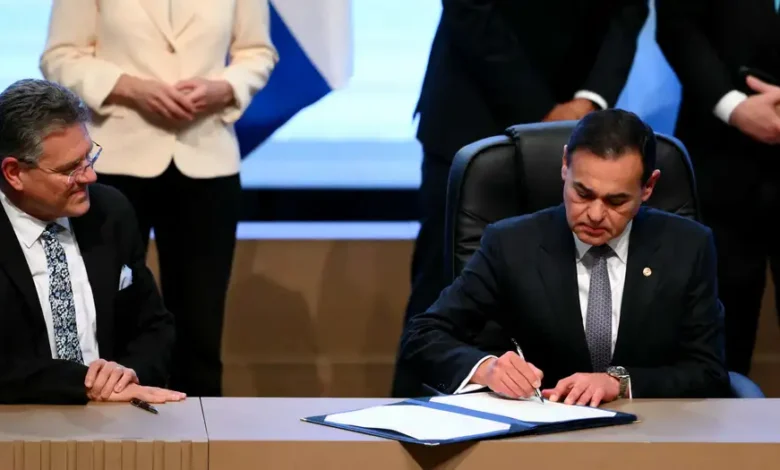
The European Union and South America’s Mercosur bloc on Saturday signed a long-delayed free trade agreement in Asuncion, Paraguay, concluding negotiations that began in 1999 and creating one of the world’s largest free trade zones.
The agreement, signed by the EU and Mercosur members Argentina, Brazil, Paraguay and Uruguay, will eliminate more than 90% of tariffs between the two sides, with some reductions phased in over 10 to 15 years. Trade between the two blocs was valued at €111 billion in 2024, dw.com reports.
European Commission President Ursula von der Leyen described the deal as a “geopolitical victory,” saying it would boost exports, economic growth and job creation while strengthening diplomatic and strategic ties.
The accord is expected to benefit EU exports such as cars, machinery, wine and cheese, while granting wider access for South American agricultural products, including beef, poultry, sugar and soybeans, as well as raw materials and rare earth metals vital to the energy transition.
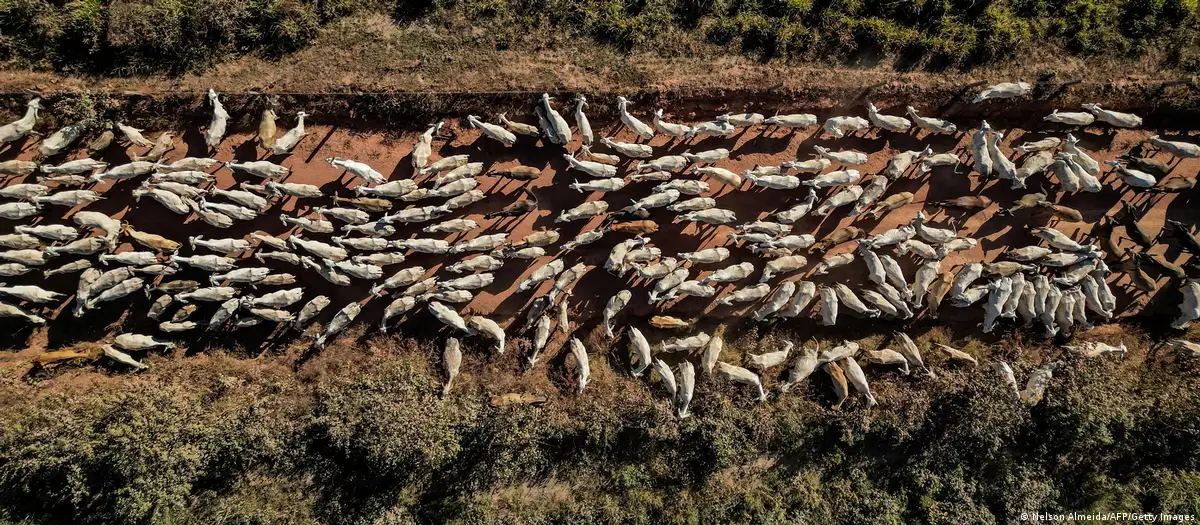
Despite its economic scope, the agreement has faced opposition within the EU, particularly from farmers concerned about competition from cheaper imports and environmental consequences. Austria, France, Hungary, Ireland and Poland voted against the deal, while protests have taken place in several European capitals.
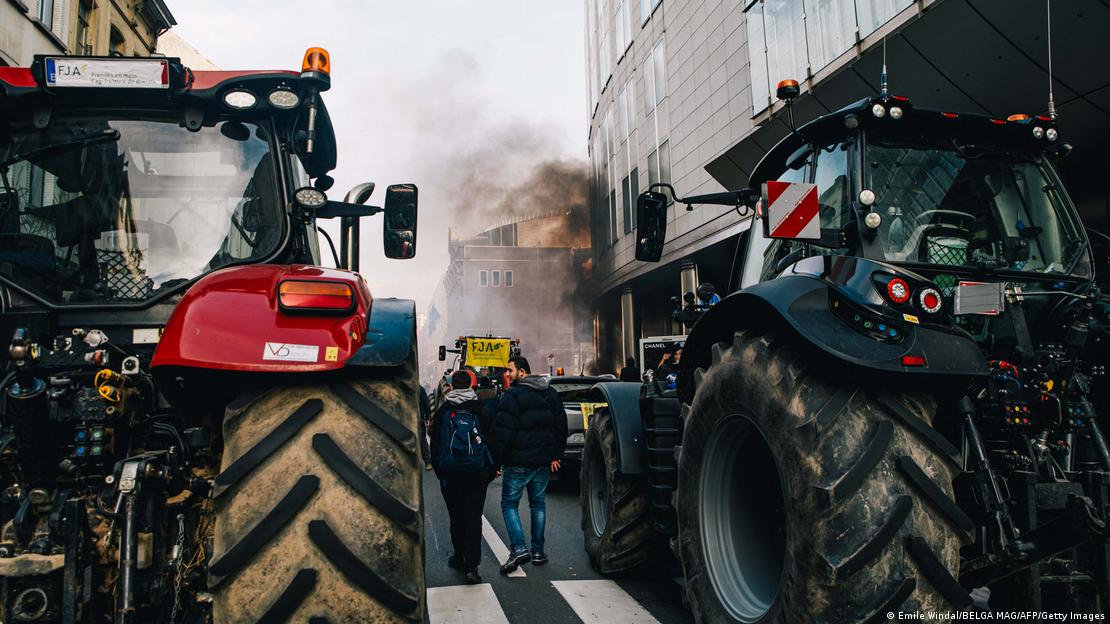
Environmental groups have warned that increased agricultural trade could accelerate deforestation, especially in sensitive ecosystems such as the Amazon rainforest, the Gran Chaco and Brazil’s Cerrado savanna.
Although deforestation rates in Brazil have recently declined, the country still accounted for nearly half of global tropical forest loss in 2024, driven by agriculture, logging and mining.
The agreement includes commitments by both sides to implement the Paris Climate Agreement and address biodiversity loss, but critics argue the provisions lack enforceable mechanisms and meaningful sanctions.
Concerns have also been raised that the deal could weaken environmental standards within the EU at a time when parts of its Green Deal agenda have been diluted.
Brazilian President Luiz Inacio Lula da Silva, a key supporter of the agreement, did not attend the signing ceremony, reportedly due to frustration that the deal was not finalized during Brazil’s recent Mercosur presidency. Leaders from Argentina, Uruguay and Paraguay were present.
The agreement must now receive approval from the European Parliament and be ratified by the legislatures of Mercosur member states, a process expected to proceed more smoothly in South America.