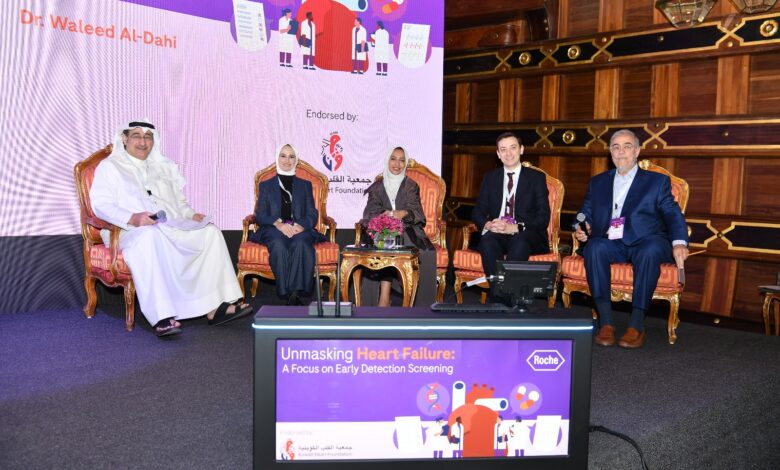
- A new laboratory test can identify patients who may develop heart failure: Dr Zubaid
- 4,000 deaths occur annually in Kuwait due to cardiovascular diseases, and heart failure is 10 times more common among diabetic patients: Dr Al-Dhahi
- This forum represents an important step toward improving the quality of heart failure care in Kuwait: Dr Al-Ayyad
- Integrating heart failure screening for diabetic patients into primary care is a pivotal step toward early prevention: Dr. Al-Ansari
- Implementing the STRONG-HF protocol at Mubarak Al-Kabeer Hospital is a national success story in improving cardiac patient care: Dr. Farouq
The Times Kuwait Report
With heart disease and diabetes on the rise in Kuwait, leading medical experts are urging a shift toward early detection and preventive care.
Speaking at a specialized medical conference in Kuwait City, cardiologists and endocrinologists highlighted new diagnostic tools that can identify heart failure risks in diabetic patients long before symptoms appear — potentially saving lives and reducing hospital admissions.
Experts at the conference emphasized that simple, accessible tests can now reveal cardiac stress in diabetic patients, offering a critical window for early intervention.
In a strong message to the public and healthcare community, they have warned that heart failure — one of Kuwait’s most pressing health concerns — can be detected long before it becomes life-threatening. At the forum, specialists showcased new screening techniques designed to identify at-risk diabetic patients early, improving outcomes and reducing preventable deaths.

Dr. Mohammed Zubaid, Consultant Cardiologist and Vice President of the Kuwait Heart Association, said that heart failure is a widespread condition, and requires urgent medical attention and often necessitates repeated hospital visits.
Dr Zubaid stated that the conference focuses on utilizing specific diagnostic tools that help physicians assess the likelihood of heart failure among patients with diabetes. He explained that the goal of treatment is early detection to prevent diabetic patients from developing heart failure.
He added that early detection is achieved through a simple blood test that measures a specific protein in the bloodstream. This laboratory test is easy and straightforward, and when its level is elevated, it indicates pressure on the heart and a possible risk of heart failure — or that the patient may already be affected without knowing it.

Dr Zubaid noted, “Most of the time, we treat diseases that have already occurred, and patients come to us already suffering from the condition. At the same time, we are always concerned with early screening, and we pay great attention to modern technologies that help detect disease before it develops. This test is important because it allows us to identify the condition early and treat diabetic patients before their condition worsens. This is a key aspect of prevention and early detection.”
He went on to say, early screening alerts the treating physician and diabetic patient to the possibility of heart failure, prompting the physician to begin a series of steps to determine the stage of the disease — such as performing an echocardiogram or ECG –and then initiating appropriate treatment.
He clarified that heart failure is of two types: one where the heart muscle becomes weak, causing fluid buildup in the body and lungs; and another where the heart muscle is not weak but its physiological movement is impaired, leading to increased pressure inside the heart muscle and eventually fluid accumulation in the body and lungs.

Dr. Waleed Al-Dhahi, Consultant Endocrinologist and President of the Kuwait Diabetes Association, stated: “At today’s conference, we discussed the strong link between cardiovascular disease and diabetes. Kuwait has among the highest global rates of diabetes — reaching 25% — in addition to rising rates of heart disease.”
Dr Al-Dhahi added in a press statement during the conference organized by Roche Diagnostics Kuwait “Unmasking Heart failure” in partnership with the Kuwait Heart Foundation.
He said that the discussions focused on heart failure associated with diabetes and how to manage and prevent it — particularly within primary care settings.

Dr Al-Dhahi emphasized that several risk factors contribute to heart failure, including diabetes, obesity, smoking, aging, and hypertension. He noted that multiple methods exist to detect heart muscle dysfunction, including understanding risk factors and conducting simple laboratory tests that can detect the condition before it occurs — helping reduce the likelihood of heart failure that might ultimately lead to the need for a heart transplant.
He pointed out that the rate of heart disease is 80 cases per 100,000 people, with around 4,000 deaths annually in Kuwait due to cardiovascular disease. He added that heart muscle disease is ten times more common among diabetic patients compared to others, smoking prevalence is 20%, and hypertension affects approximately 43% of the population.
In the same context, Dr. Hessa Al-Ansari, Senior Family Medicine Specialist and Chair of the Non-Communicable Diseases Committee in Primary Healthcare Centers, spoke about early screening programs in primary care.
She highlighted the integration of heart failure screening into clinical practice for diabetic patients, noting that this test is now available and being fully adopted in primary care across Kuwait. This allows for early diagnosis and timely intervention before complications develop, representing a major step toward improving care quality and preventing advanced cardiac complications.
Meanwhile, Dr. Bader Al-Ayyad, Head of Advanced Heart Failure and Heart Transplant Unit at Adan Hospital, stated that this forum marks an important step toward enhancing the quality of heart failure care in Kuwait, by bringing together experts from various specialties to exchange knowledge and update evidence-based practices.
He emphasized that such collaboration fosters a comprehensive national healthcare system that prioritizes patient safety, early diagnosis, advanced treatment, and multidisciplinary support.
Dr. Al-Ayyad stressed that heart failure treatments have advanced significantly in recent years, resulting in improved patient outcomes and quality of life.
He noted that with modern therapies and close follow-up, healthcare providers can now achieve much better results in reducing complications and enhancing patient well-being.
Dr. Mohammed Farouq, Consultant Cardiologist at Mubarak Al-Kabeer Hospital, presented the experience of implementing the STRONG-HF protocol at the hospital — an initiative considered pioneering at the national level.
This global study aims to improve patient outcomes after hospital discharge through intensive follow-up and medication adjustment. He emphasized that the experience represents a national success story in applying international standards within Kuwait’s healthcare system.