From October 12, 2025, Europe’s Schengen countries will begin rolling out a new Entry/Exit System (EES) at airports and border points. Instead of stamping passports, border officers will digitally log traveler details — including entry dates and length of stay.
With biometric or e-passports now widely adopted worldwide — a biometric passport looks like a normal passport but contains a small electronic chip (usually RFID) that stores personal details, a photo, and fingerprints making border checks faster, more secure, and helps reduce fraud and the small gold chip symbol can be easily spotted on the cover – travel is made stress free.
Both biometric and regular passports are still accepted in Schengen countries, according to the official EES website. Immigration won’t turn you away if a passport doesn’t have a chip.
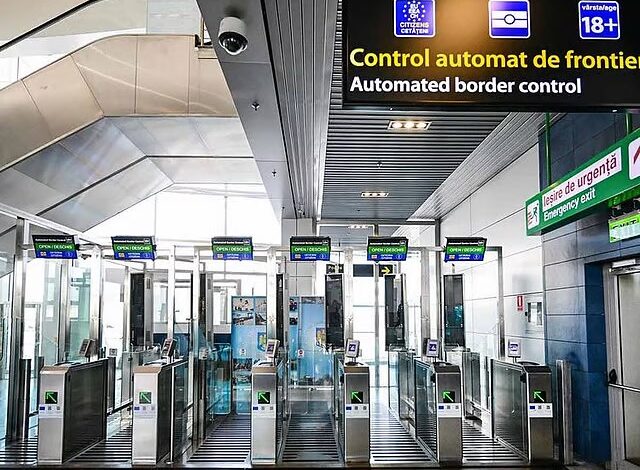
The key difference is speed. Some airports will introduce automated kiosks, similar to e-gates in Kuwait International Airport. With a biometric passport, Kuwaitis can scan their passport, look into a camera, and pass through quickly before meeting an officer. Without one, travelers will still enter but through the slower manual line.
The EES will collect slightly different data depending on whether the traveler needs a Schengen visa:
- Kuwaitis with a Schengen visa: Only a facial image will be taken at the border, since fingerprints are already collected during the visa application process.
- Kuwaitis without a visa (Kuwaitis are visa-free for Schengen visits): Both a facial image and four fingerprints will be captured at entry.
- Children under 12 years old: Exempt from fingerprinting, though a photo may still be taken.
The EU says this system strengthens border security, prevents overstays, and replaces manual stamps with a digital record, while making checks faster for genuine travelers.
Kuwaiti passport holders can visit Schengen countries visa-free for up to 90 days within a 180-day period. While the new system is introduced, border checks may temporarily take longer. However, travelers with biometric passports will enjoy faster processing at self-service kiosks in many airports.
The good news is that most Kuwaiti passports are already biometric-enabled, meaning many citizens are ready for the change without realizing it.
For expats living in Kuwait, the process will depend on nationality:
- Expats who need a Schengen visa will continue to give fingerprints and photos during their visa application, with only their photo taken again at the border.
- Expats from visa-exempt countries (like the US, UK, Canada, and Australia) will have both a photo and four fingerprints recorded when entering.
From October 2025, the EES will replace manual passport stamps with digital records. You don’t need an e-passport to enter Schengen countries, but it makes border crossings faster and easier.
By April 2026, the system will be fully rolled out across Europe, making travel smoother and more secure for Kuwaitis.
Follow The Times Kuwait on
X, Instagram and Facebook for the latest news updates