Customs tightens rules on public warehouses, bans storage of local market goods
New customs instructions place public warehouses under direct, continuous oversight; strict controls, higher capital, one-year storage limit
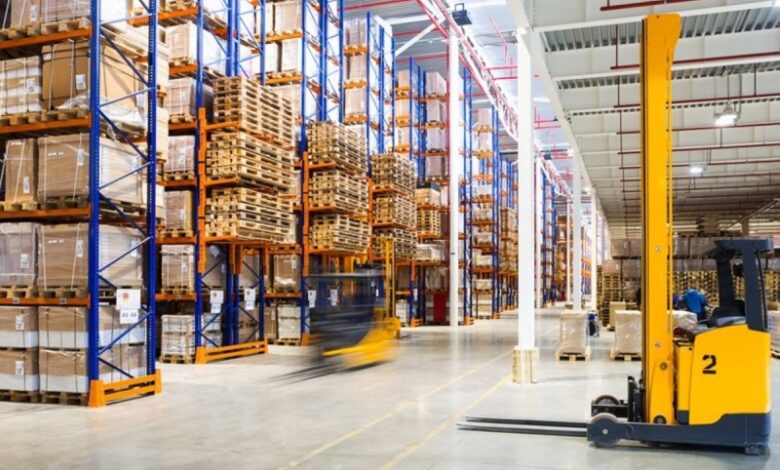
The General Administration of Customs has issued amended instructions regulating the licensing and operation of public customs warehouses, placing them under direct and continuous customs supervision and reinforcing their role as duty-suspension storage facilities strictly for imported goods.
Under the new rules, Customs’ oversight covers receiving goods, registration, storage, release procedures, and transportation to and from other warehouses. Authorities also have the right to audit records, data, documents, and accounts to ensure compliance.
The instructions stress that public customs warehouses are designated exclusively for storing goods arriving from abroad under a tax and customs duty suspension system until they are re-exported, cleared, or otherwise disposed of in accordance with legal procedures.

Customs administration explicitly prohibited the storage of goods traded or intended for trade in the local market within these warehouses, canceling any previous practices that contravened this principle.
Customs may conduct inventory checks at any time to verify that actual stock matches recorded data and may impose additional control measures when necessary. The investing entity operating the warehouse bears full responsibility for the safety of stored goods and the accuracy of all submitted documentation.
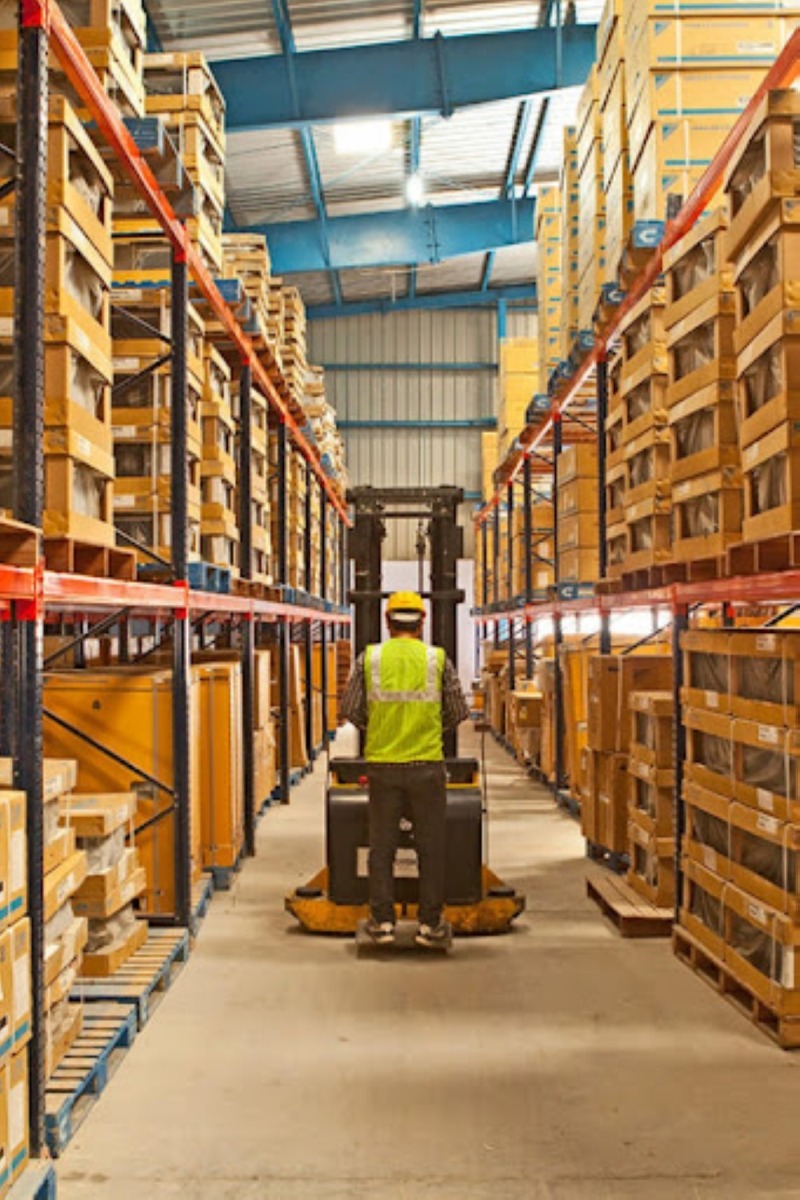
Operators are also liable for all legal and financial consequences arising from shortages, damage, or violations. The deposit of damaged or prohibited goods is strictly forbidden. In the event of proven violations, the investor must pay all customs duties, fines, and compensations stipulated under the Unified Customs Law and its executive regulations.
Goods may remain in a public customs warehouse for one calendar year from the date of deposit, extendable once for an additional year with a justified request and approval from the Director-General of Customs.
If no action is taken after the legal period expires, the concerned parties are notified to act. Failure to clear or re-export the goods leads to legal measures, including public auction through the Treasury or referral to the Destruction Committee if goods are unfit or prohibited, with all applicable taxes, fees, and fines collected.
The license to establish a public customs warehouse is valid for three years, renewable for similar periods. Renewal applications must be submitted at least three months before expiry, provided all requirements are met.
New financial and operational conditions include:
- Minimum capital of the investing entity set at KD 300,000
- Valid ownership, lease, or usufruct contract covering the entire license period
- Minimum warehouse area of 5,000 square meters for facilities outside customs departments
- Area inside customs zones determined by Customs based on operational needs
Customs outlined cases leading to immediate license cancellation, including:
- Leasing or transferring the license to a third party
- Suspension of warehouse operations for 60 consecutive days without acceptable justification
- Failure to rectify legal or regulatory violations within the specified period
The amendments aim to strengthen regulatory control, prevent misuse of customs warehouse privileges, and ensure strict adherence to customs laws and procedures.