COP30 talks spill into overtime as fossil fuel phase-out battle deepens
COP30 faces deep divides on fossil fuel commitments, climate finance, and trade issues. With global emissions at record highs and warming on track to exceed 2°C, negotiators remain under intense pressure to restore ambition, strengthen national climate action plans, and reach a credible agreement capable of keeping the 1.5°C goal within reach.
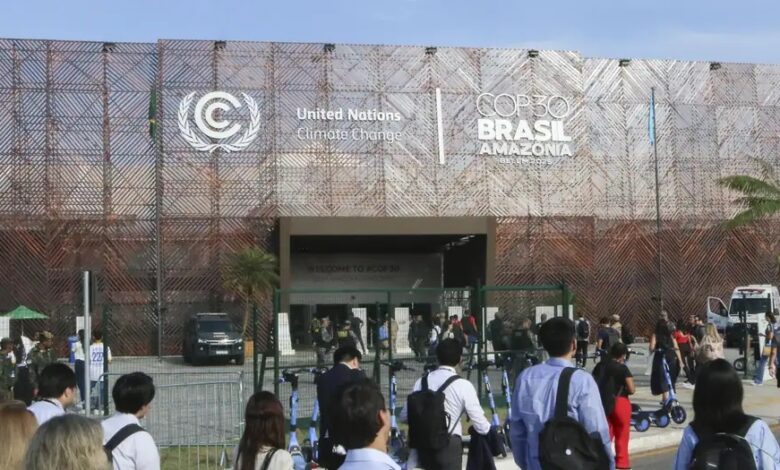
- Global rift widens as 80 nations push back against weak climate deal
- Civil society raises its voice as COP30 stalls over fossil fuels
- Draft deal lacks ambition, nations demand stronger action, COP 30 under pressure
The 30th annual UN Climate Conference, COP30, was expected to wrap up on Friday, but delegates failed to secure a breakthrough on the critical question of phasing out fossil fuels.
The negotiators announced that talks would continue, extending the summit beyond its planned closing as divisions between countries intensified.
Uncertainty now clouds the conference timeline, with no clear indication of how long officials will remain in Belem to search for a compromise. Similar overruns have occurred at previous COP gatherings, where last-minute negotiations often push discussions deep into the night, reports dw.com
Tensions rose sharply after a draft agreement released by the Brazilian presidency omitted a reference to fossil fuel phase-outs. The omission triggered immediate backlash, with more than 30 countries — including Germany, France, the United Kingdom, and Australia — signing a joint declaration condemning the weakened text and urging a stronger stance.
Negotiations continued Friday behind closed doors as delegates from nearly 200 nations attempted to bridge disagreements. Over 80 countries, many from the EU and small island states, demanded a clear commitment to transition away from fossil fuels, while oil-exporting nations opposed any explicit language on phase-outs.
German Environment Minister Carsten Schneider emphasized that talks were ongoing and insisted that a credible COP outcome must include a roadmap to end dependence on coal, oil, and gas. Earlier, COP30 President André Corrêa do Lago called on delegates to focus on unity, warning that “there cannot be an agenda that divides us.”
Overall, COP30 faces deep divides on fossil fuel commitments, climate finance, and trade issues. With global emissions at record highs and warming on track to exceed 2°C, negotiators remain under intense pressure to restore ambition, strengthen national climate action plans, and reach a credible agreement capable of keeping the 1.5°C goal within reach.
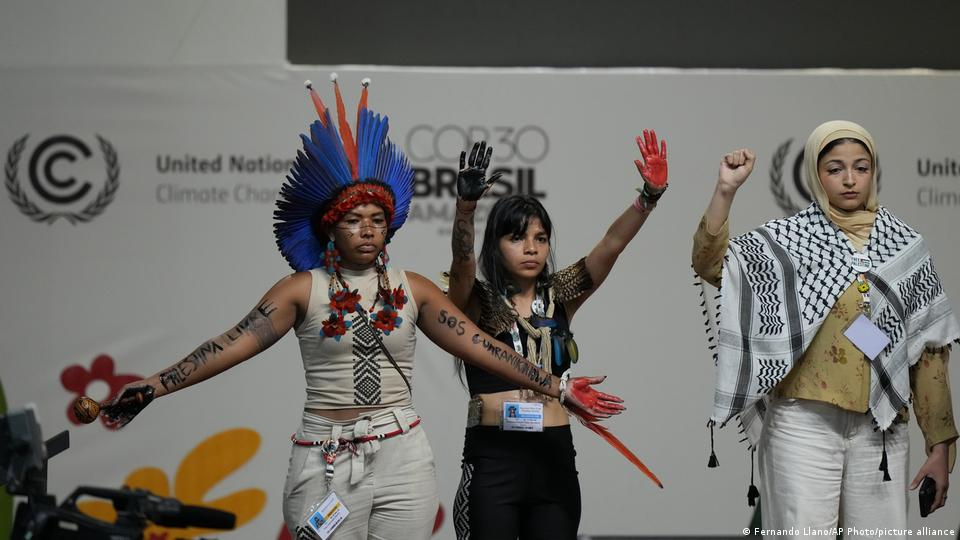
Meanwhile, civil society groups held a large “People’s Plenary” inside the venue to highlight their concerns as official discussions stalled. Activists reiterated demands for climate justice, stronger adaptation measures, and protections for Indigenous communities—issues many felt were sidelined in the draft text.
Youth speakers shared powerful testimony about the human toll of climate change and conflict. One of the most emotional moments came from Sudanese participant Roaa Ahmed Elobeid Dafaallah, who received a standing ovation after describing how war, displacement, and gender-based violence have devastated young women in her country.
Outside the negotiation halls, innovation stories continued to emerge. Near the COP30 venue, French startup MORFO showcased how drones are being used to restore degraded areas of the Amazon rainforest by dispersing native seeds — an approach that could dramatically scale up global reforestation efforts.
European officials also expressed frustration at the slow progress. EU Climate Commissioner Wopke Hoekstra criticized the draft deal as lacking ambition, saying it fell far short of the commitments needed to reduce global emissions.
He insisted that any financial language must align with the $300 billion annual climate finance agreement reached at COP29.
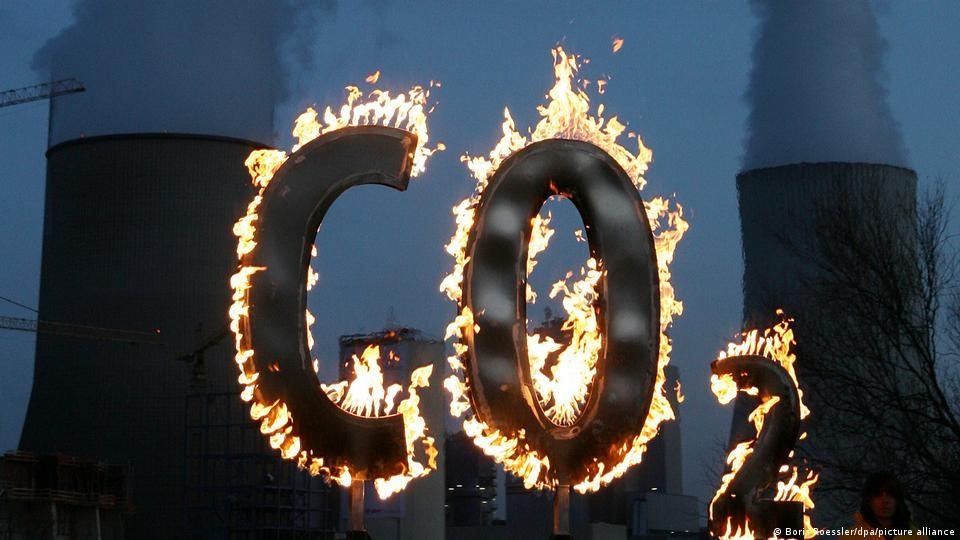
As the summit moved into overtime, the latest draft still lacked the long-anticipated fossil fuel phase-out roadmap, highlighting deep divisions among countries. With fossil fuels remaining the primary driver of climate change — and global emissions still rising — the pressure to deliver a credible, science-aligned agreement grew stronger as negotiators worked to salvage a meaningful outcome.