Coffee Diplomacy: Turkish Embassy celebrates World Turkish Coffee Day
One of the secrets of authentic Turkish coffee lies in using cold water and very slow heat, traditionally achieved by brewing over hot sand, while the copper cezve ensures equal heat distribution. Excessive boiling burns the foam and spoils the flavor -- H.E. Tuba Sonmez
The Times Kuwait Report
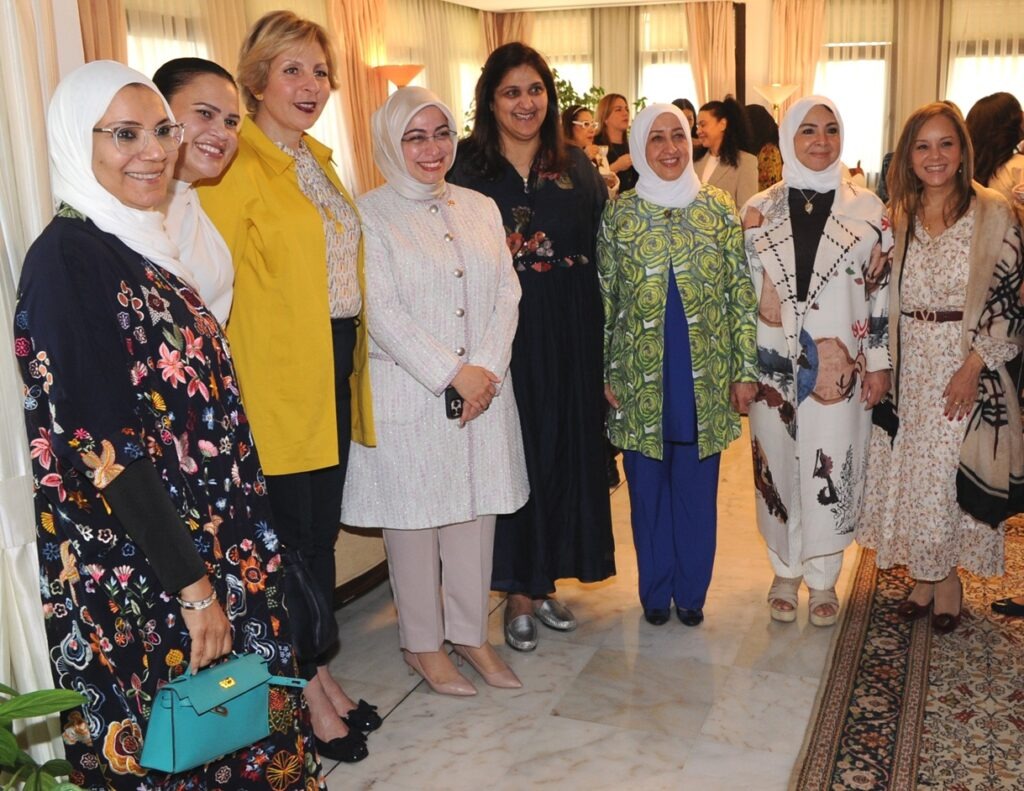
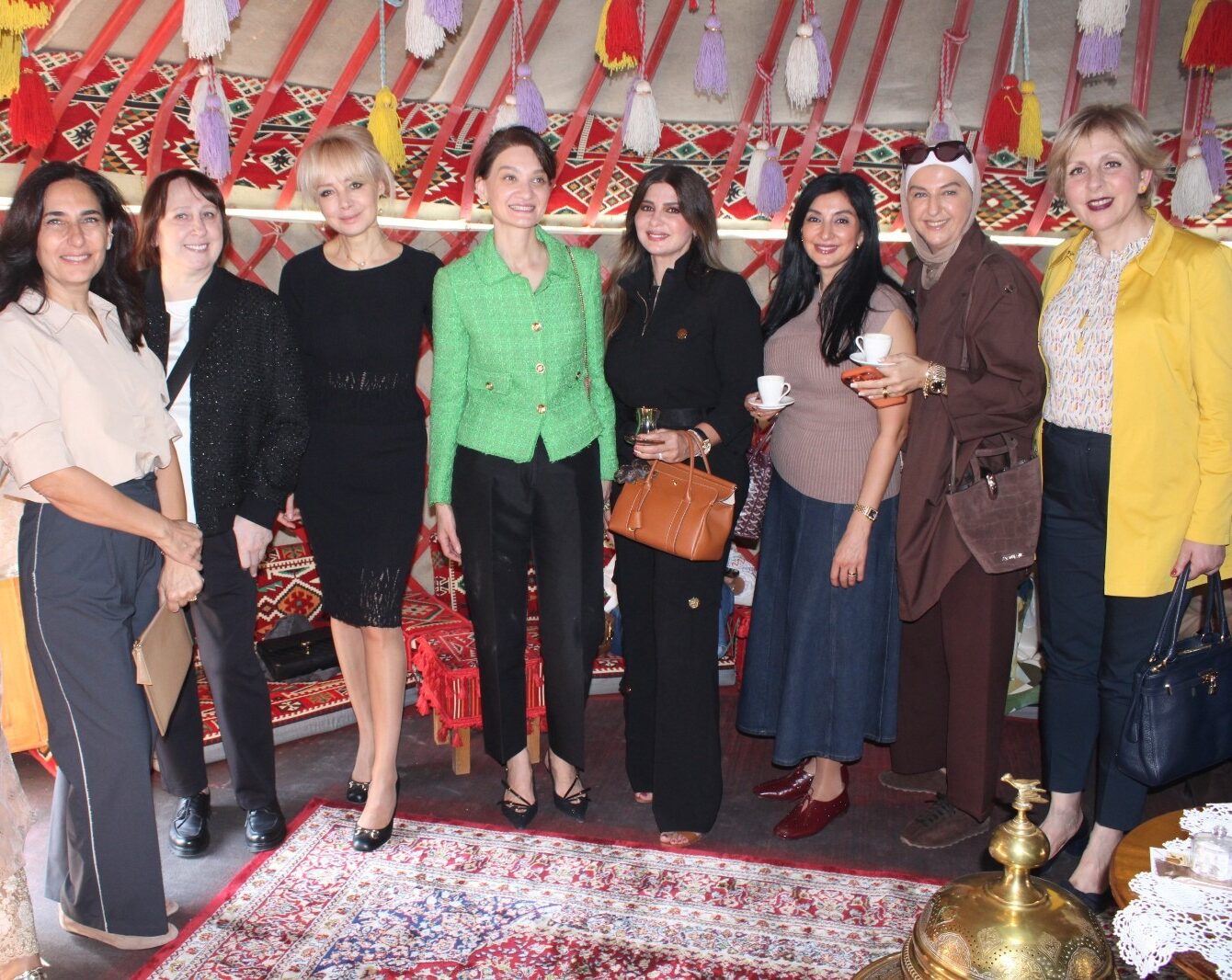
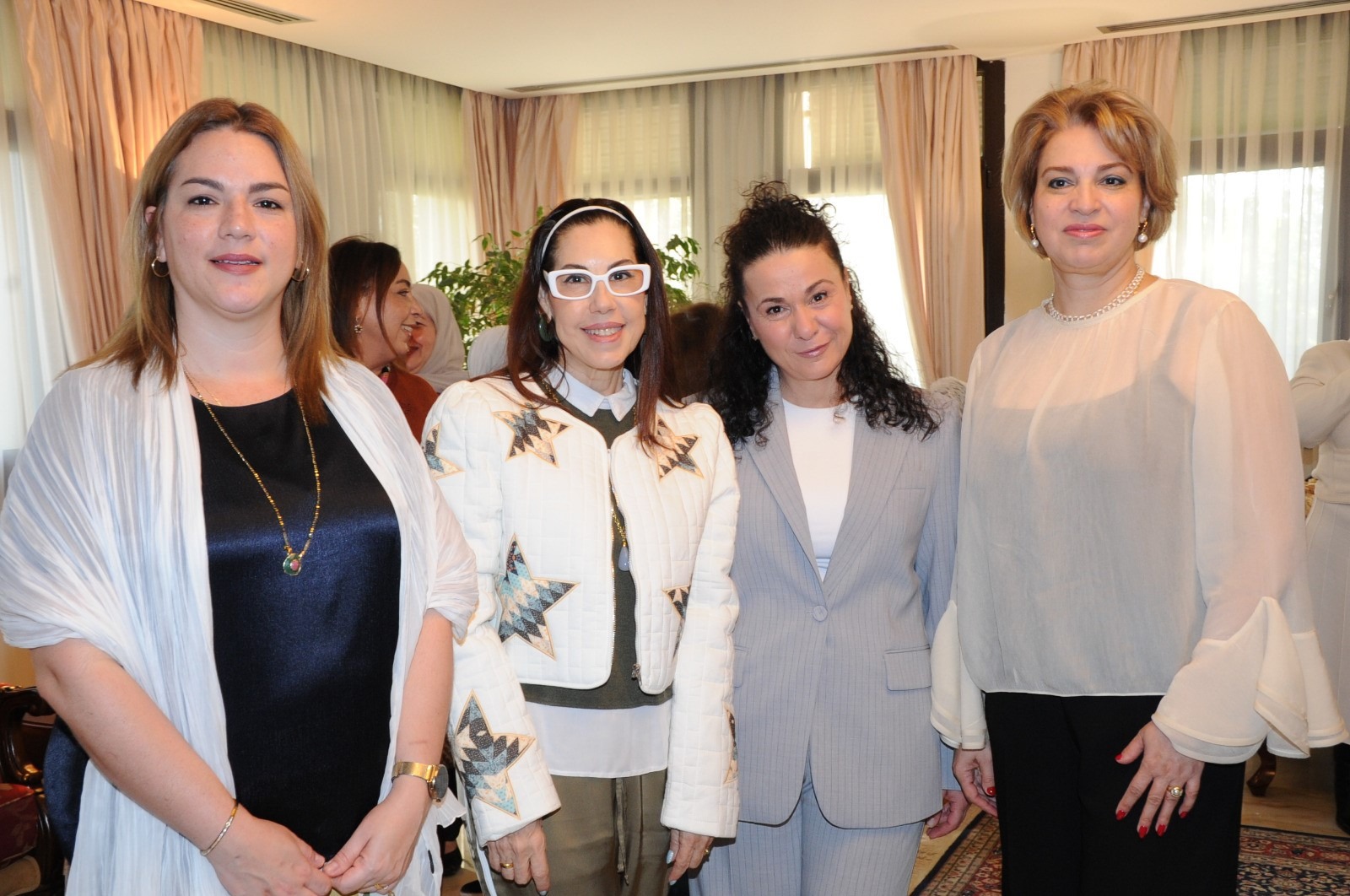
The Turkish Embassy in Kuwait celebrated the World Turkish Coffee Day with a vibrant cultural gathering attended by ambassadors, members of the International Women’s Group, prominent Kuwaiti women, and special guests including Sheikha Al-Anoud Al-Sabah and Sheikha Hessa Salem Al-Sabah.
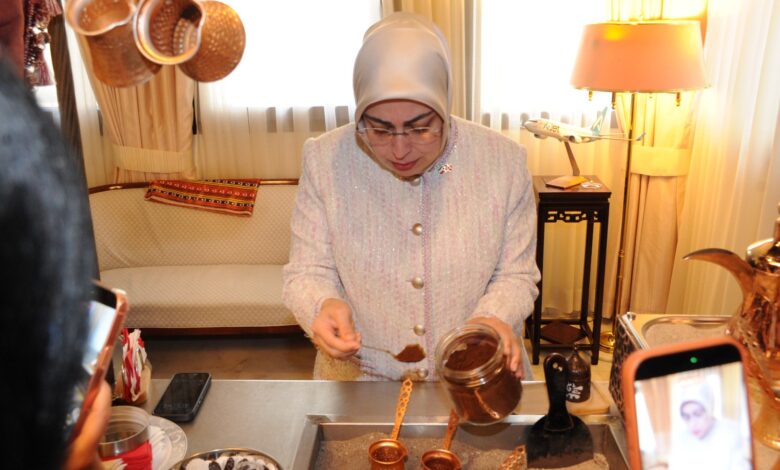
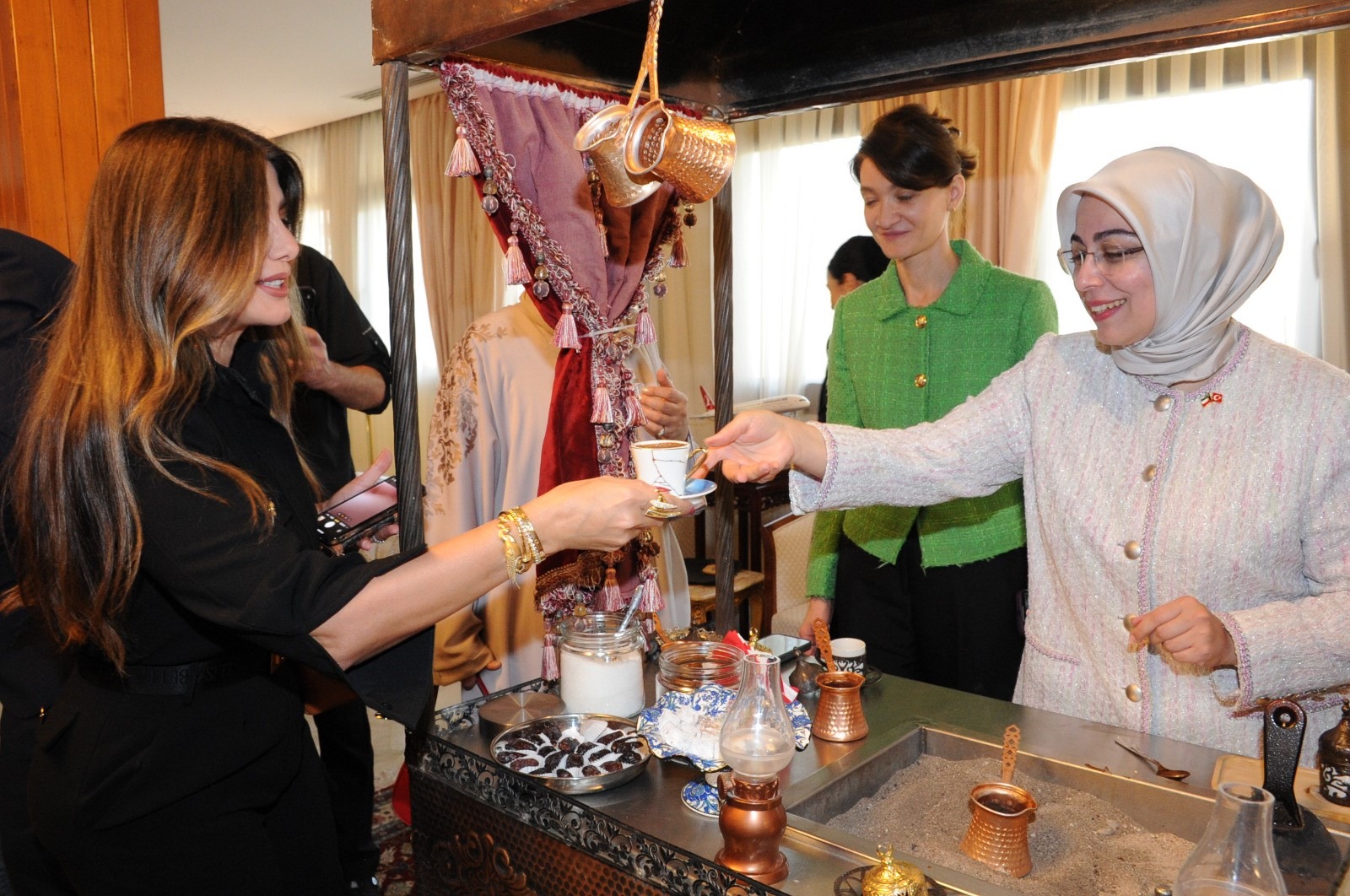
The event featured live demonstrations of preparing Turkish coffee in the traditional style, offering guests a glimpse into the history and symbolism behind one of Turkey’s most cherished cultural traditions.
Turkish Ambassador to Kuwait, H.E. Tuba Sonmez expressed her delight at hosting the annual celebration, noting that Turkish coffee has been inscribed on UNESCO’s Intangible Cultural Heritage list since 2013.
She said Turkey is committed each year to promoting awareness of this heritage through its diplomatic missions and global cultural initiatives.
The Turkish envoy highlighted the deep and longstanding coffee culture in Kuwait — \both Arabic and Kuwaiti varieties — while explaining the main differences between Turkish and Arabic coffee. Turkish beans, she said, are roasted to a higher degree to produce a distinct smoky aroma, then ground to an extremely fine powder, even finer than espresso.
She explained that one of the secrets of authentic Turkish coffee lies in using cold water and very slow heat, traditionally achieved by brewing over hot sand, while the copper cezve ensures even heat distribution. Excessive boiling, she cautioned, burns the foam and spoils the flavor.
Traditionally, Turkish coffee is served without sugar, accompanied by Turkish delight, though in Kuwait it is often paired with dates or chocolate.
The ambassador added that Turkish coffee is now part of daily life in many countries, including Kuwait, where it is offered in most restaurants and cafés. Typically enjoyed after breakfast, it contains a high caffeine content. She noted that the Turkish word for breakfast, ‘kahvaltı’, which literally means “before coffee,” reflects the belief that drinking it on an empty stomach may cause discomfort.
Responding to a question on bilateral ties, Ambassador Sonmez affirmed that Kuwait–Turkey relations continue to advance “in an excellent direction,” noting the recent regional tour by the Turkish President, which included Kuwait, Qatar, and Oman to reinforce cooperation in trade, economy, and security.
She emphasized the deep cultural and historical bonds between the two nations, and Turkey’s commitment to a comprehensive, 360-degree foreign policy focused on peace-building and conflict prevention.
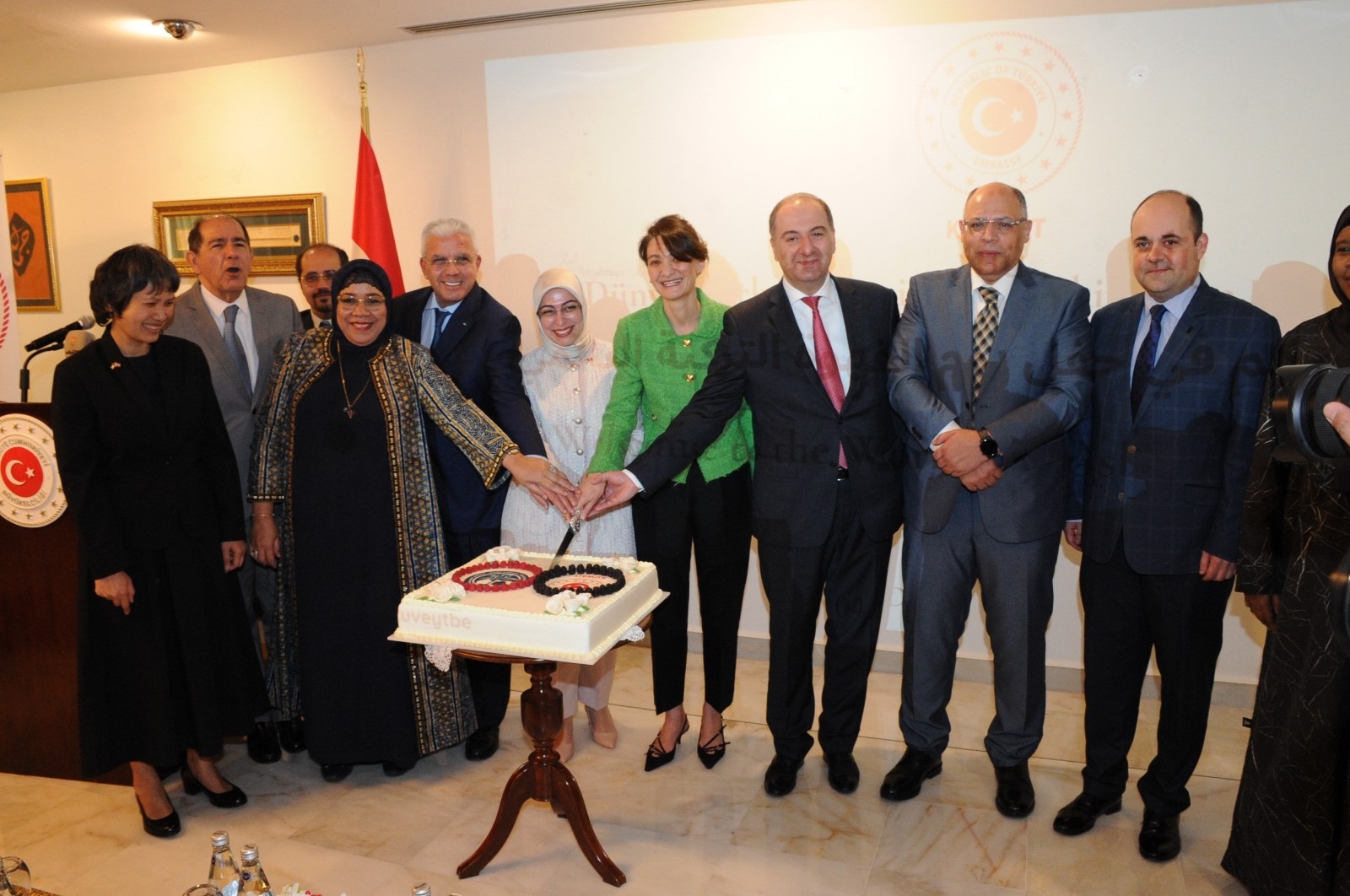
Collaboration with international missions in Kuwait — including the EU, NATO, the Istanbul Cooperation Initiative, and UN agencies — adds further strength to the relationship.
On tourism, she reaffirmed that Turkey remains a preferred destination for Kuwaitis and residents alike, saying, “We welcome every visitor from Kuwait — the journey is just three hours away.”
Marika Kochlamazashvili, spouse of the Georgian Ambassador and President of the International Women’s Group, expressed her pleasure in participating in the celebration.
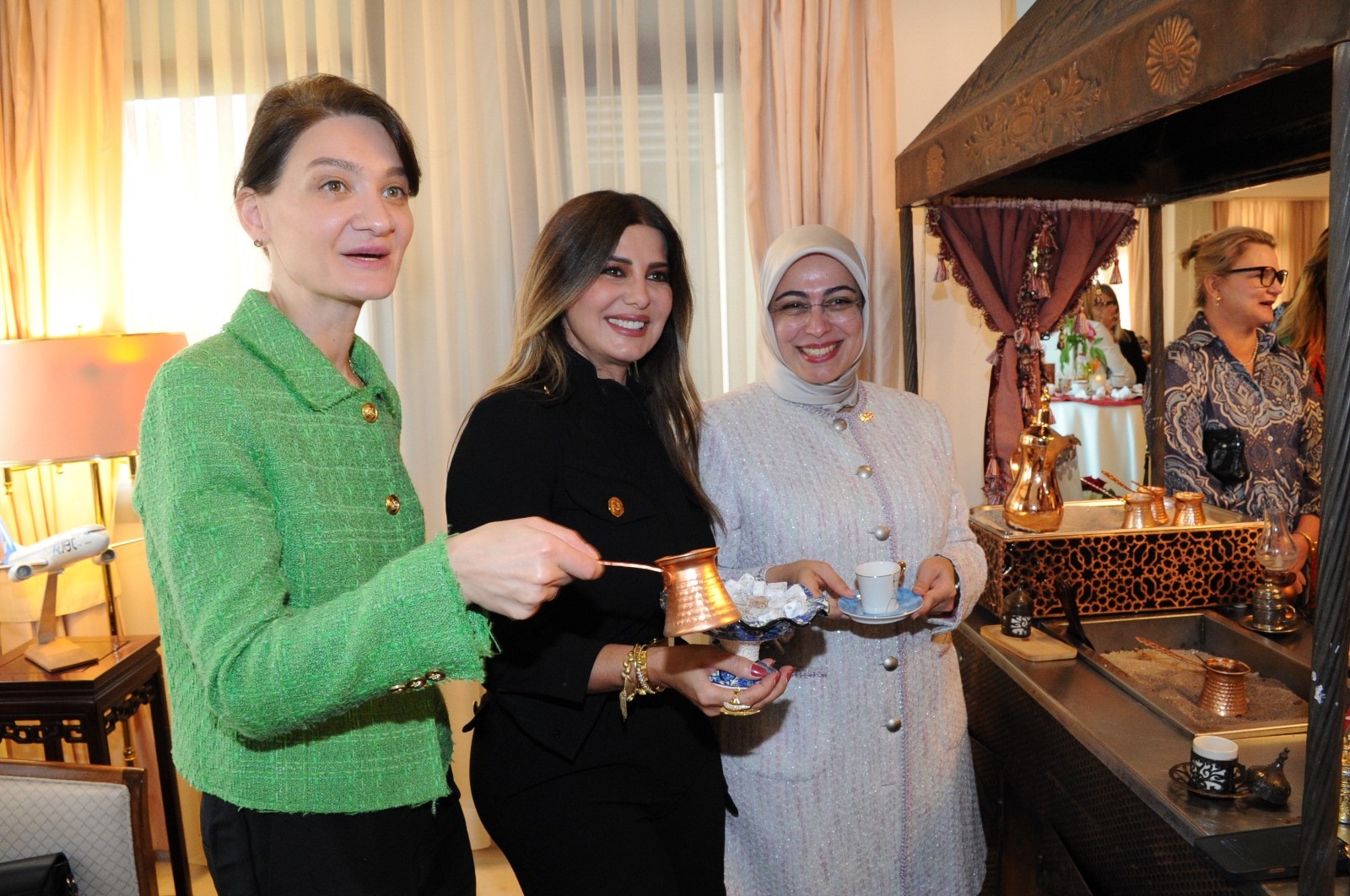
In her remarks, she thanked Ambassador Sonmez for the invitation, noting that Turkish coffee — recognized by UNESCO — stands out for its authentic flavor, distinctive aroma, and unique method of preparation rooted in Turkish tradition.
“Turkish coffee is not merely a caffeine-rich drink,” she said. “It is a cherished symbol of hospitality and friendship, deeply woven into Turkish culture.”
She added that sharing a cup of this aromatic brew creates unforgettable moments, bringing people closer and enriching conversations — echoing the well-known proverb: “A cup of coffee shared together is remembered for forty years.”