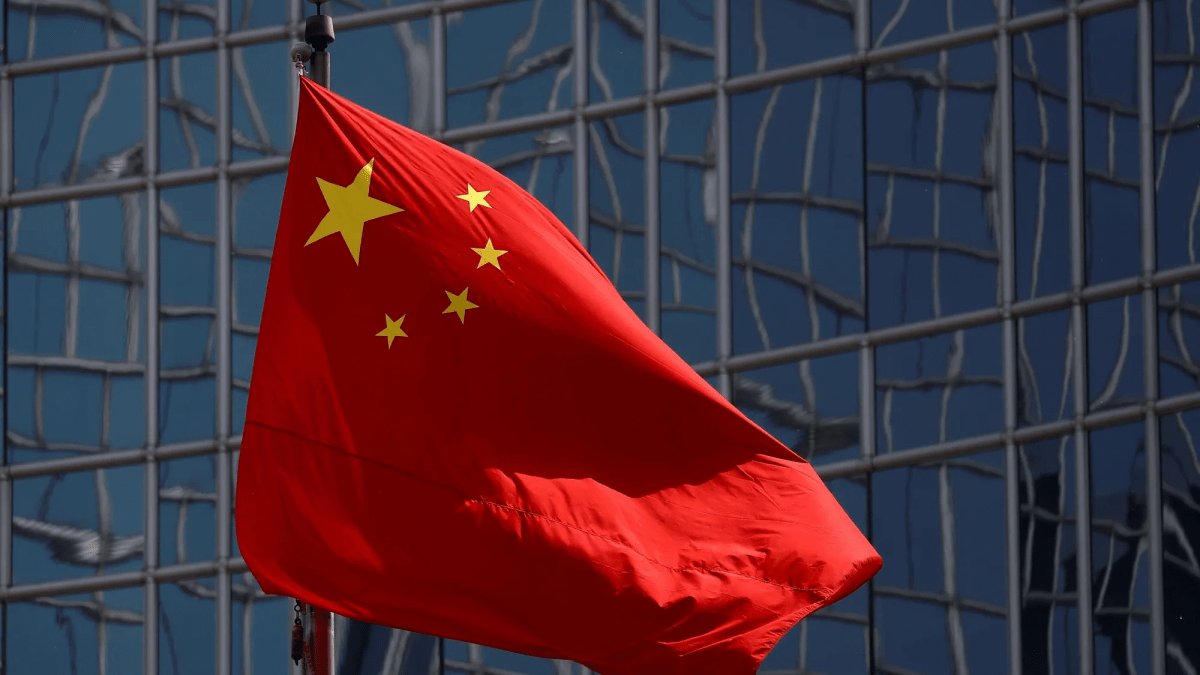
A spokesperson for the Chinese Embassy in Washington has firmly denied allegations that China is supplying weapons to any party involved in the conflict between the United States and Iran, describing such claims as inaccurate.
“The information circulating is incorrect,” the spokesperson said, stressing that China, as a major global power, remains committed to fulfilling its international obligations.
The statement also urged Washington to avoid what it described as “unfounded allegations” and “sensationalism,” calling on all parties to contribute to easing regional tensions.
The denial comes amid US intelligence assessments suggesting that Beijing may be preparing to deliver advanced air defense systems to Iran in the coming weeks.
According to sources familiar with the intelligence, such a move would mark a significant escalation, particularly given China’s recent role in supporting diplomatic efforts that led to a fragile ceasefire between Washington and Tehran.
Further reports indicate that China could be exploring indirect routes to transfer military equipment, potentially channeling shipments through third countries to obscure their origin.
The systems in question are believed to include man-portable air defense systems (MANPADS), shoulder-fired missiles capable of targeting low-flying aircraft.
These weapons were previously cited as a key threat to US operations during the recent conflict and could again pose risks if hostilities resume.
Sources also noted that Chinese firms have continued supplying dual-use technologies to Iran, enabling it to sustain weapons production and enhance navigation capabilities.
However, any direct transfer of military systems by the Chinese government would represent a notable shift in Beijing’s level of involvement.
The developments come ahead of a planned visit by Donald Trump to China next month for talks with Xi Jinping, with geopolitical tensions expected to feature prominently on the agenda.
As competing narratives emerge, the situation underscores the fragile balance between diplomacy and escalation, with global powers navigating a highly sensitive and volatile regional landscape.