Central Bank urges banks to tighten monitoring to curb financial fraud
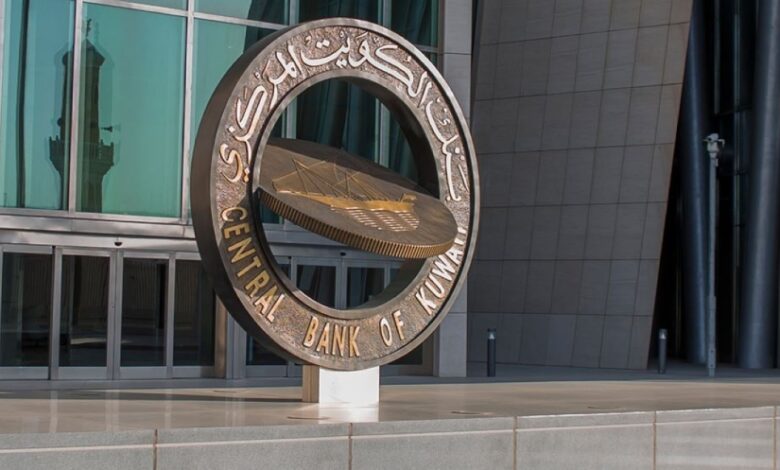
The Central Bank of Kuwait has instructed all local banks to strengthen procedures to protect customers from financial fraud and to intensify monitoring of unusual patterns in banking transactions, as part of broader efforts to reduce risks and enhance banking security.
In a recent circular addressed to local banks, the Central Bank reaffirmed its commitment to safeguarding customer accounts and raising security standards across the banking sector, amid the growing sophistication of financial fraud methods.
The circular explained that many fraud cases share common indicators, most notably the execution of repeated financial transactions within short periods and in ways that are inconsistent with a customer’s usual banking behavior.
It noted that repeated transactions with the same merchant or entity, when they fall outside a customer’s normal spending patterns, are considered a key warning sign that requires immediate attention from banks.
The Central Bank also highlighted geographical inconsistencies as a major indicator of potential fraud, such as transactions conducted from distant locations that do not align with the customer’s typical locations or the nature of their financial activity.
In addition, the appearance of unusual account activity—such as resetting usernames or passwords, adding a new mobile device while canceling a previous one, or making sudden changes to account access details—was cited as a significant red flag.
Other suspicious patterns include the opening of new bank accounts or the issuance of multiple credit cards within a short timeframe, which the Central Bank said necessitate heightened scrutiny and closer oversight.
The circular stressed the importance of carefully studying these indicators and actively working to limit their occurrence, emphasizing the need for continuous monitoring and early detection mechanisms.
To this end, the Central Bank called on banks to further develop and update their automated systems dedicated to detecting fraud in real time, ensuring they are capable of identifying abnormal transaction behavior promptly and effectively.
Banks were also instructed to adhere strictly to the fifth principle related to protecting customers from financial fraud, as outlined in the Banks’ Customer Protection Guide issued last October.
Furthermore, the Central Bank underlined the importance of compliance with the Cyber and Operational Resilience Framework Guide for local banks and financial institutions, which was issued on December 3, as part of a comprehensive approach to enhancing digital and operational security.
The measures come within the framework of the Central Bank’s ongoing efforts to reinforce confidence in the banking system, protect customers from emerging financial threats, and ensure a secure and resilient financial environment in Kuwait.