Burkina Faso and Mali have announced a ban on United States citizens entering their territories, a move described as a direct response to Washington’s recent decision to bar Malian and Burkinabe nationals from travelling to the US.
The decisions were confirmed through separate statements issued by the foreign ministries of both West African nations, marking a further deterioration in already strained relations between military-led governments in that region and the United States.
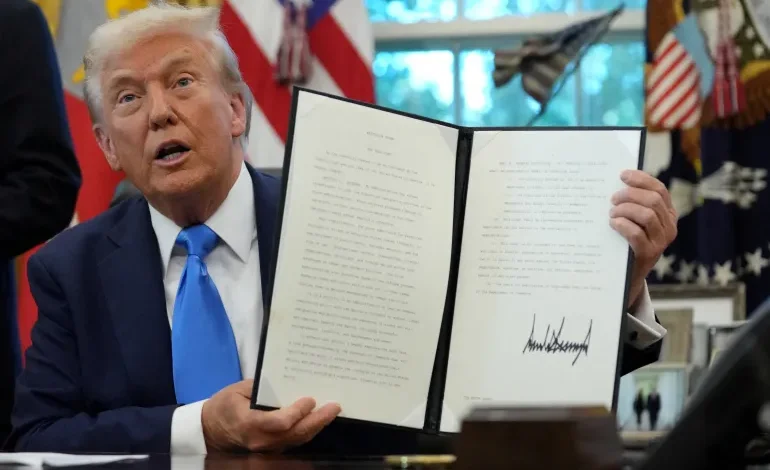
On December 16, US President Donald Trump expanded existing travel restrictions to include 20 additional countries, among them Mali, Burkina Faso and Niger, according to news reports.
All three states are governed by military juntas and are members of a newly formed alliance that has distanced itself from the Economic Community of West African States (ECOWAS).
In a statement, Mali’s Ministry of Foreign Affairs and International Cooperation said the measure was taken “in accordance with the principle of reciprocity,” adding that with immediate effect, US nationals would be subject to the same entry conditions imposed on Malian citizens seeking to travel to the United States.
Burkina Faso issued a similar declaration. Foreign Minister Karamoko Jean-Marie Traoré confirmed that the country would apply equivalent restrictions to American citizens, citing identical grounds for the decision.
The White House has justified the expanded visa ban by pointing to ongoing security challenges in the Sahel region, including persistent attacks by armed groups.
US officials have argued that the restrictions are necessary due to insufficient information to adequately assess potential security risks posed by travelers from the affected countries.
The move represents a further tightening of US immigration controls under the Trump administration, particularly in the wake of a November 26 shooting incident in Washington, DC, that resulted in the deaths of two National Guard members. The administration cited the incident as part of its rationale for strengthening border and visa security measures.
Mali and Burkina Faso continue to face serious security challenges as armed groups expand their presence across large parts of both countries. The military governments, which came to power after overthrowing civilian administrations, have repeatedly pledged to restore stability and combat militant violence that has destabilized the wider region