- The political reactions underline the deep divide over the Union Budget. While the ruling BJP and its allies view it as a reform-driven, growth-oriented and welfare-focused roadmap toward a developed India by 2047, Opposition parties maintain that it lacks direction and fails to adequately tackle unemployment, inflation, rural distress and state-specific concerns.
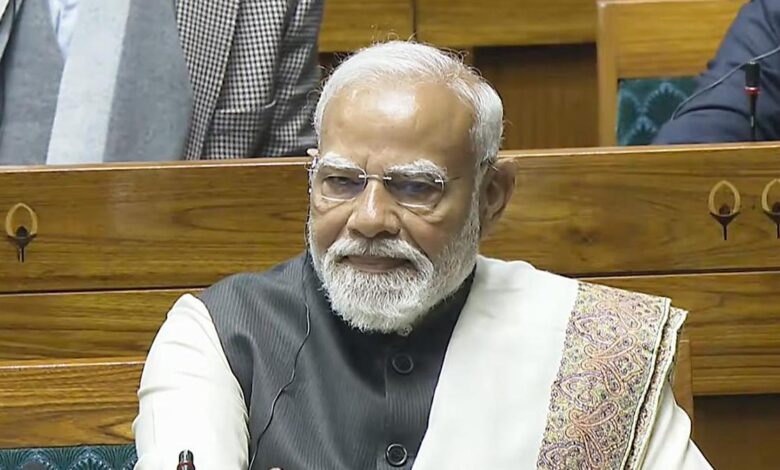
The Union Budget 2026–27 has set off a sharp political debate across the country, with Prime Minister Narendra Modi hailing it as a “historic” document that charts a clear roadmap toward a Viksit Bharat, while Opposition leaders argue it fails to address India’s most urgent economic challenges.
In his post-budget remarks, Modi said the financial plan reflects the aspirations of 140 crore Indians and strengthens the country’s reform trajectory.
Describing it as a “highway of opportunities,” he said it would provide fresh momentum to Make in India and Aatmanirbhar Bharat, and highlighted what he called the growing role of women in nation-building. He also noted that Finance Minister Nirmala Sitharaman set a record by presenting her ninth consecutive Budget.
Sitharaman’s presentation was historic in itself, marking her ninth straight Budget and the first Union Budget ever delivered on a Sunday. The government positioned the document as a blueprint focused on economic growth, employment generation and inclusive development.
Union Home Minister Amit Shah said the Budget would “turbocharge” India’s global standing as an attractive investment destination. He pointed to its broad sectoral coverage — from manufacturing and infrastructure to health, tourism, artificial intelligence and rural development — and said it empowers youth, women and farmers across the country.
Support poured in from BJP-ruled states. Uttar Pradesh Chief Minister Yogi Adityanath described the Budget as a welfare-oriented blueprint for Viksit Bharat, saying it provides opportunities for youth, security for farmers, encouragement for entrepreneurs and relief for the middle class. He added that it would boost innovation, manufacturing and rural development.
Maharashtra Deputy Chief Minister Eknath Shinde welcomed the thrust on infrastructure, MSMEs and urbanization. He highlighted provisions for city development funds, incentives for municipal bonds, allocations for semiconductors and biopharma, and proposed high-speed rail corridors such as Mumbai–Pune and Pune–Hyderabad as transformative steps for the State.
Chhattisgarh Chief Minister Vishnu Deo Sai termed the Budget a historic foundation for a developed India, citing measures aimed at improving farmers’ income, strengthening the rural economy and generating employment. Former Jharkhand Chief Minister Champai Soren said it would enhance the standard of living of the poor, laborers, farmers, women and students, with attention to agriculture, fisheries, khadi and handicrafts.
Delhi Chief Minister Rekha Gupta also expressed support, saying the budget touches every segment and would help boost employment, cultural heritage, sports and disaster management infrastructure, while strengthening states through substantial allocations.
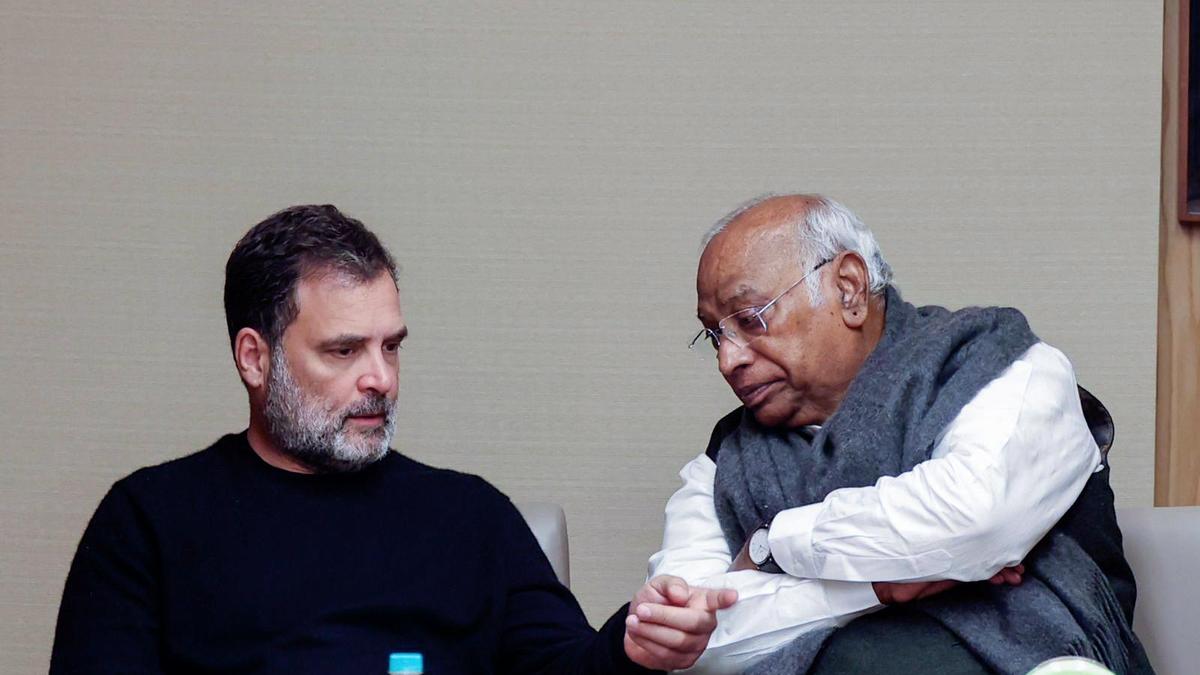
However, Opposition leaders mounted a strong counterattack. Congress president Mallikarjun Kharge said the government had “run out of ideas,” arguing that the Budget lacks policy vision, political will and concrete solutions to India’s economic and social challenges.
Leader of the Opposition Rahul Gandhi described the Budget as “blind to India’s real crises.” He pointed to youth unemployment, declining manufacturing, falling household savings, investor concerns, farmers’ distress and looming global shocks, saying these issues had been ignored.
Samajwadi Party chief Akhilesh Yadav alleged the Budget was designed to benefit the BJP’s own circles, calling it an “invisible ledger of corruption.” He criticized the absence of tax relief amid inflation and claimed the proposals favored large businesses while offering little to the unemployed and struggling households.
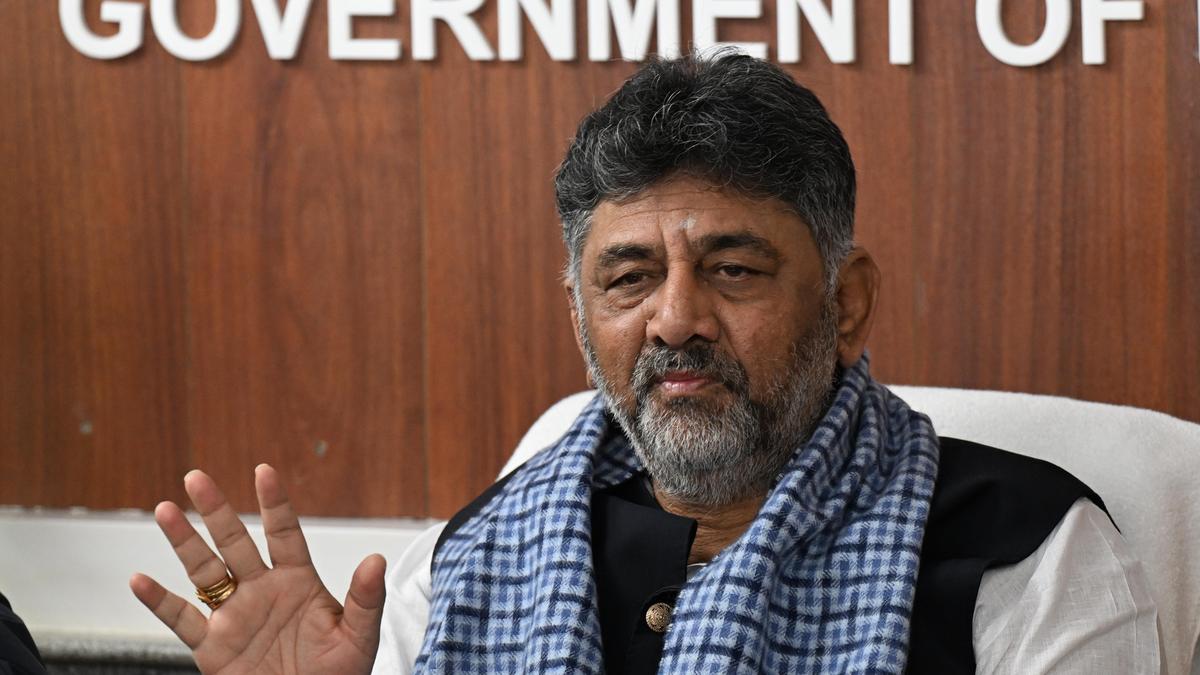
Karnataka Deputy Chief Minister D.K. Shivakumar said his State derived “no benefit” from the Budget. He raised concerns over changes to rural employment schemes and claimed Karnataka did not receive its due share, while also flagging unmet expectations for Bengaluru and issues facing cooperative sugar factories.
Trinamool Congress leader Abhishek Banerjee accused the Centre of adopting a “step-motherly attitude” toward poll-bound West Bengal. He alleged that central funds under rural employment, housing and road schemes had not reached the State following earlier electoral setbacks.
The political reactions underline the deep divide over the Union Budget. While the ruling BJP and its allies view it as a reform-driven, growth-oriented and welfare-focused roadmap toward a developed India by 2047, Opposition parties maintain that it lacks direction and fails to adequately tackle unemployment, inflation, rural distress and state-specific concerns.