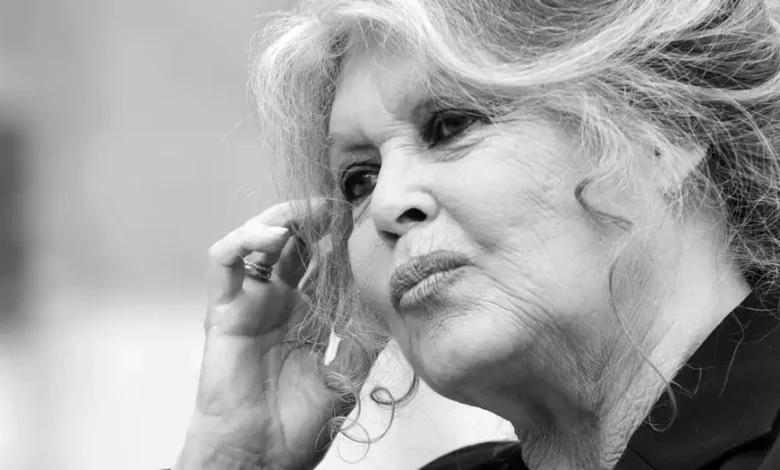
Brigitte Bardot, the legendary French actress, singer and fashion icon who came to symbolize sexual liberation in postwar Europe, has died at the age of 91. The French screen legend appeared in 56 films before ending her career in 1973 and dedicating herself to animal rights activism.
Revered and reviled in equal measure, Bardot left an indelible mark on cinema, fashion and popular culture, while later years of activism and political controversy kept her firmly in the public eye.
Born in Paris on September 28, 1934, to an industrialist family, Bardot was discovered as a model at the age of 15. Her transformation into a blonde catapulted her to fame, establishing what became known as “BB blonde,” a look celebrated by fashion magazines well into the 21st century. She soon emerged as one of the most recognizable faces of her generation, often compared to Marilyn Monroe, reports dw.com
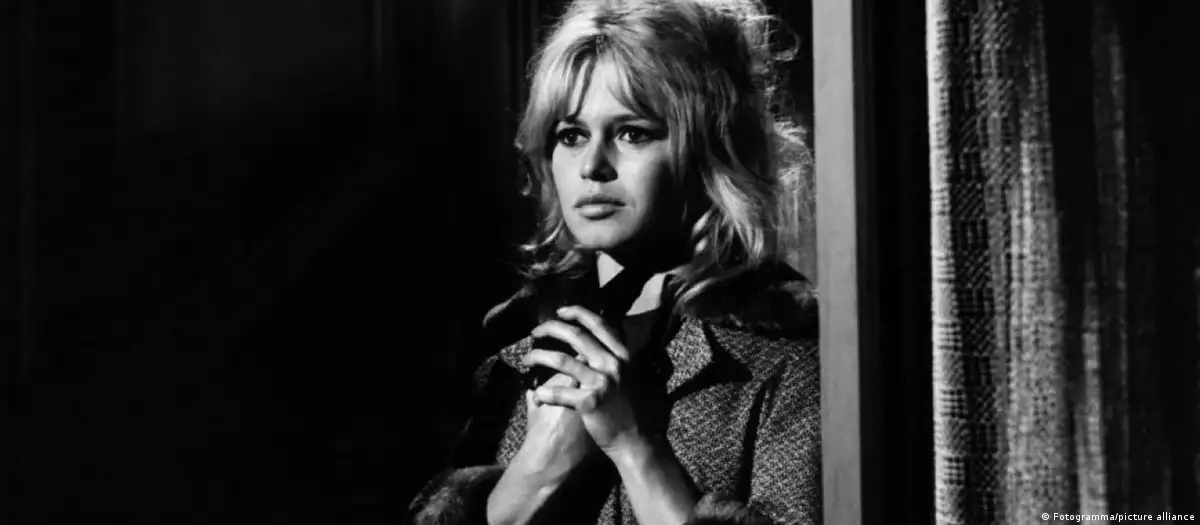
Bardot began acting in her late teens, but international fame arrived with Roger Vadim’s 1956 film And God Created Woman. Her portrayal of a sexually liberated young woman shocked audiences and censors alike.
The film was initially banned in parts of the United States, with some theater owners arrested for screening it, but the controversy only amplified her global stardom.
Over the next two decades, Bardot appeared in more than 40 films, including classics such as The Truth (1960), Contempt (1963) and Viva Maria! (1965). She also enjoyed a parallel career in music, recording popular songs and collaborating with artists including Serge Gainsbourg.
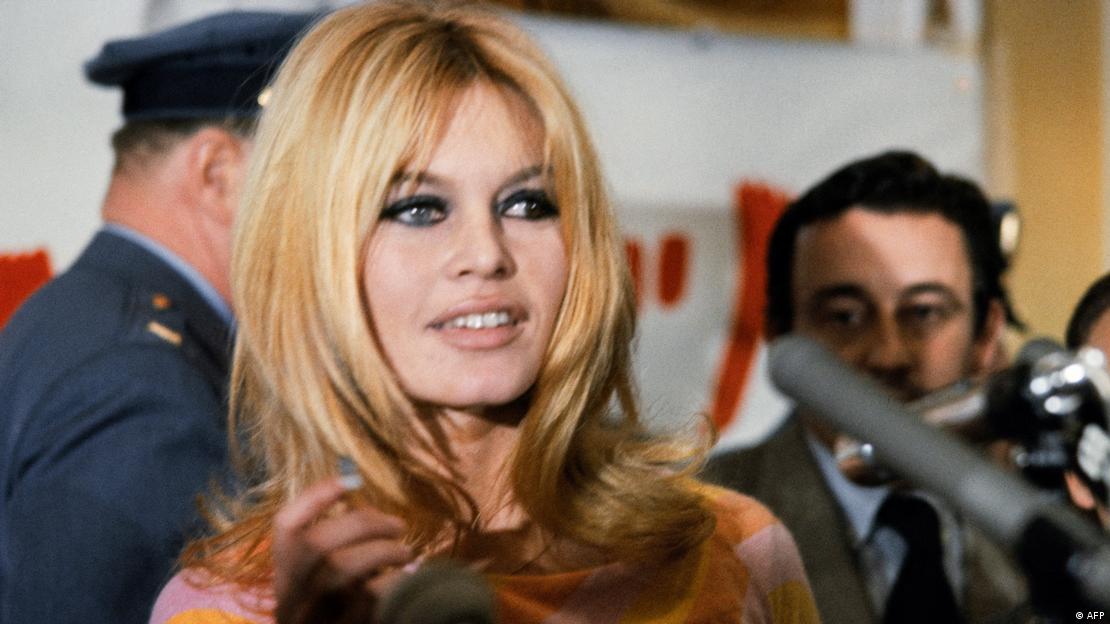
As a fashion muse for designers such as Dior, Balmain and Pierre Cardin, she embodied the spirit of the 1960s, with her personal life and romances frequently dominating headlines.
Philosopher Simone de Beauvoir famously described Bardot as a “locomotive of women’s history,” hailing her as the most liberated woman of postwar France. Bardot retired from acting in 1973 but remained a national symbol, modeling for the official bust of Marianne—the embodiment of French liberty—between 1969 and 1978.
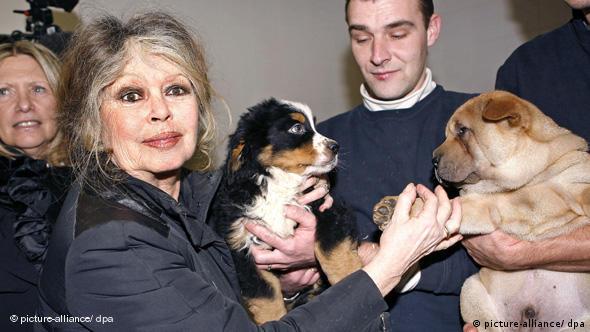
In the later phase of her life, Bardot devoted herself almost entirely to animal rights activism. She campaigned internationally against animal cruelty, called for humane slaughter practices, opposed seal hunting, and in 1986 founded the Brigitte Bardot Foundation, which continues to advocate for animal welfare worldwide.
Her legacy, however, was complicated by controversial political positions and remarks that led to repeated fines for inciting racial hatred. She became an outspoken supporter of France’s far right, backing Marine Le Pen, and made polarizing statements on immigration, gender issues and the MeToo movement — comments that sparked fierce debate and criticism.
Despite the controversies, Brigitte Bardot’s cultural impact remains undeniable. As an actress who redefined femininity, a style icon who shaped an era, and a figure who never retreated from controversy, Bardot’s image is permanently etched into the history of cinema and global pop culture.