Air travel in turmoil: regional attacks leave passengers stranded worldwide
Thousands of flights grounded as US-Iran conflict escalates; Dubai, Doha, Abu Dhabi Airports shut amid strikes on Iran
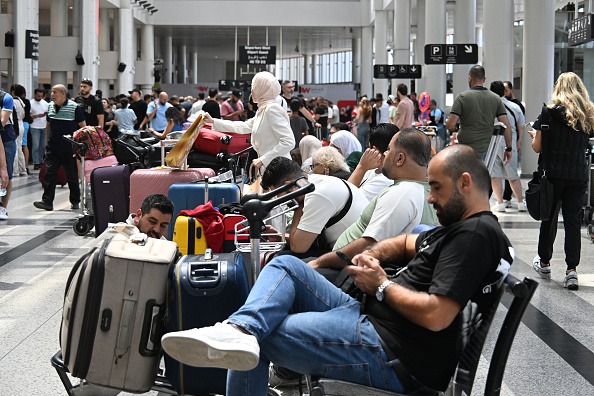
Global air travel remains in chaos as ongoing U.S. and Israeli strikes on Iran, coupled with retaliatory attacks by Tehran, forced the closure or severe restriction of major Middle Eastern airports, including Dubai, Abu Dhabi, and Doha.
The disruptions mark one of the sharpest aviation shocks in recent years.
Thousands of flights have been canceled or rerouted, leaving passengers stranded across Asia, Europe, and the Middle East.
Airports in Dubai, according to Reuters, sustained damage during Iranian strikes, while Abu Dhabi and Kuwait also reported impacts.
Key Gulf airspace over Iran, Iraq, Kuwait, Israel, Bahrain, the UAE, and Qatar remained virtually empty on Sunday morning, with closures expected to continue until at least March 3, according to Flightradar24 and the latest NOTAMs.
The ripple effects are global: travelers waited in long queues at airports in Bali, Dhaka, and Kathmandu, while airlines struggled to reposition aircraft and crews stranded due to disrupted schedules.
Aviation experts warn that the combination of airspace closures and regional instability could prolong disruptions, escalate fuel costs, and severely affect international flight networks.
“It’s the sheer volume of people and the complexity,” said UK-based analyst John Strickland. “It’s not only passengers—it’s the crews and aircraft all over the place.”
With Dubai and Doha serving as central hubs connecting Europe and Asia, the halt of operations is sending shockwaves across global aviation, underscoring the commercial and logistical vulnerabilities of the region amid escalating Middle East tensions.