After 150 years of silence, giant tortoises march back to reclaim their island
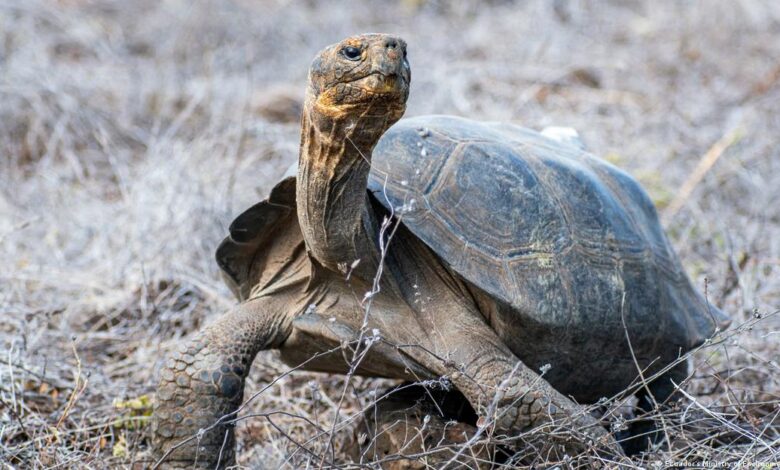
Giant tortoises have returned to Ecuador’s Floreana Island in the Galapagos archipelago nearly 150 years after the species disappeared from the area, marking a major milestone in global conservation efforts.
Ecuadorian authorities released 158 juvenile tortoises — aged between eight and 13 years — in the first phase of an ambitious rewilding program aimed at restoring the island’s natural ecosystem. The initiative plans to introduce a total of 700 tortoises over time at the UNESCO World Heritage Site.
Officials described the return as historically significant, noting that giant tortoises serve as vital “ecosystem engineers.” They help disperse seeds, regulate vegetation, and support the regeneration of natural habitats, playing a crucial role in restoring ecological balance, dw.com reports.
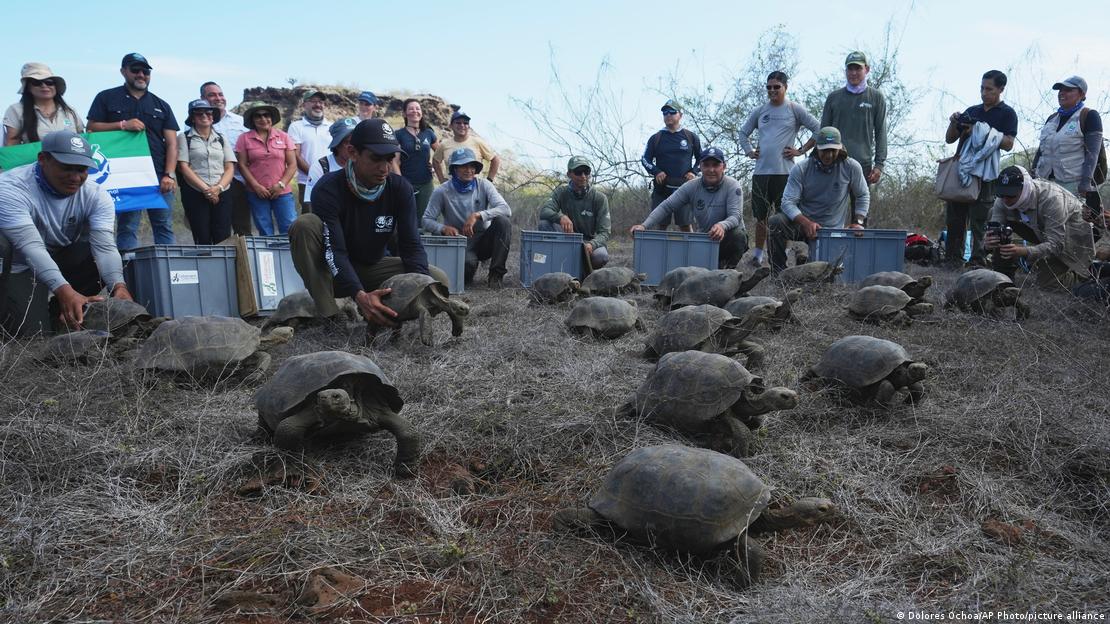
Before their release, each tortoise was microchipped for monitoring and identification. The animals were bred at a Galapagos National Park facility using individuals genetically linked to the original Floreana tortoise lineage, carrying between 40% and 80% of the DNA of Chelonoidis niger, the species that vanished in the 19th century due to human exploitation, invasive species, fires, and whaling activity.
Authorities say the juveniles are now large enough to survive in the wild and withstand predators. Seasonal rains have also created favorable environmental conditions to help them adapt as they begin exploring and reshaping their habitat.
The tortoises will share the island with a small human population and diverse wildlife, although conservationists warn that invasive species remain a continuing threat. Researchers are simultaneously working to restore 12 additional native species as part of a broader ecological recovery plan.
Located about 1,000 kilometers off Ecuador’s coast, the Galapagos Islands are globally renowned for their extraordinary biodiversity, and the tortoises’ return represents a major step toward restoring one of the archipelago’s lost ecological icons.