- EU’s Costa announces summit ‘in coming days’ over Greenland
- France pushes EU to consider never-before-used ‘anti-Coercion Instrument’
- German soldiers leave Greenland after team completes reconnaissance mission
- President Donald Trump said Saturday he will impose a 10% tariff on eight European countries beginning February 1
- The tariff could rise to 25% if there was no deal on Greenland by June 1
European Union leaders are set to hold an emergency summit in the coming days after US President Donald Trump threatened to impose sweeping tariffs on several European countries amid a rapidly escalating dispute over Greenland.
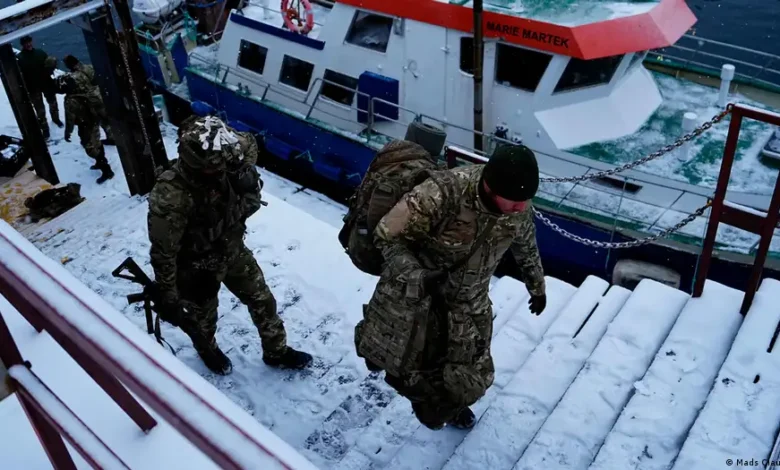
The move follows Washington’s anger over the deployment of European troops to Greenland as part of a Danish-led reconnaissance mission aimed at reinforcing security in the strategically vital Arctic territory.
Trump has accused Denmark and its European allies of undermining US interests and failing to adequately counter what he described as growing Russian threats in the region, DW.COM reports.
EU Council President António Costa confirmed that leaders would convene urgently to discuss the crisis, which has combined questions of sovereignty, security and trade into one of the most serious transatlantic disputes in years.
Under Trump’s plan, a 10% tariff would be imposed from February 1 on imports from eight European countries that recently sent military personnel to Greenland.
The US president warned that the tariff could rise to as much as 25% by June 1 if no agreement is reached on Greenland’s future security arrangements.
France has urged the European Union to respond forcefully, calling on the bloc to consider activating its so-called Anti-Coercion Instrument — a powerful trade defense mechanism that has never been used before.
Often referred to as the EU’s “trade bazooka,” the instrument would allow Brussels to retaliate against economic pressure from third countries.
European Commission President Ursula von der Leyen said the EU would not compromise on the sovereignty of Greenland or Denmark. In a statement after consultations with NATO Secretary General Mark Rutte and several European leaders, including French President Emmanuel Macron and German Chancellor Friedrich Merz, von der Leyen stressed that European unity would prevail.
“We will always protect our strategic economic and security interests,” she said. “The European Union stands firm on the sovereignty of Greenland and Denmark and will face these challenges with steadiness and resolve.”
Tensions rose further after Trump accused Denmark of failing to defend Greenland against potential Russian threats. Writing on his Truth Social platform, the US president claimed NATO had repeatedly warned Denmark for two decades to strengthen its defenses in the Arctic.
“Unfortunately, Denmark has been unable to do anything about it,” Trump wrote, adding that it was now “time” for decisive action.
The remarks came as some European troops began withdrawing after completing reconnaissance missions, including German soldiers who left Greenland earlier this week.
However, the presence of European forces has already triggered a sharp response from Washington, pushing trade relations to the brink.
The emergency summit is expected to focus on a coordinated EU response, balancing diplomatic engagement with preparations for possible economic retaliation. As the standoff intensifies, fears are growing that the Greenland dispute could spiral into a wider trade war between the United States and Europe, with global economic repercussions.
European Union leaders are set to hold an emergency summit in the coming days after US President Donald Trump threatened to impose sweeping tariffs on several European countries amid a rapidly escalating dispute over Greenland.
The move follows Washington’s anger over the deployment of European troops to Greenland as part of a Danish-led reconnaissance mission aimed at reinforcing security in the strategically vital Arctic territory.
Trump has accused Denmark and its European allies of undermining US interests and failing to adequately counter what he described as growing Russian threats in the region.
EU Council President António Costa confirmed that leaders would convene urgently to discuss the crisis, which has combined questions of sovereignty, security and trade into one of the most serious transatlantic disputes in years.
Under Trump’s plan, a 10% tariff would be imposed from February 1 on imports from eight European countries that recently sent military personnel to Greenland.
The US president warned that the tariff could rise to as much as 25% by June 1 if no agreement is reached on Greenland’s future security arrangements.
France has urged the European Union to respond forcefully, calling on the bloc to consider activating its so-called Anti-Coercion Instrument — a powerful trade defense mechanism that has never been used before.
Often referred to as the EU’s “trade bazooka,” the instrument would allow Brussels to retaliate against economic pressure from third countries.
European Commission President Ursula von der Leyen said the EU would not compromise on the sovereignty of Greenland or Denmark. In a statement after consultations with NATO Secretary General Mark Rutte and several European leaders, including French President Emmanuel Macron and German Chancellor Friedrich Merz, von der Leyen stressed that European unity would prevail.
“We will always protect our strategic economic and security interests,” she said. “The European Union stands firm on the sovereignty of Greenland and Denmark and will face these challenges with steadiness and resolve.”
Tensions rose further after Trump accused Denmark of failing to defend Greenland against potential Russian threats. Writing on his Truth Social platform, the US president claimed NATO had repeatedly warned Denmark for two decades to strengthen its defenses in the Arctic.
“Unfortunately, Denmark has been unable to do anything about it,” Trump wrote, adding that it was now “time” for decisive action.
The remarks came as some European troops began withdrawing after completing reconnaissance missions, including German soldiers who left Greenland earlier this week.
However, the presence of European forces has already triggered a sharp response from Washington, pushing trade relations to the brink.
The emergency summit is expected to focus on a coordinated EU response, balancing diplomatic engagement with preparations for possible economic retaliation. As the standoff intensifies, fears are growing that the Greenland dispute could spiral into a wider trade war between the United States and Europe, with global economic repercussions.