- India is using critical minerals for the green energy transition, including solar panels, wind turbines and EV batteries, as well as advanced defence technologies.
- New Delhi is seeking critical rare earth minerals from northern Myanmar to strengthen supply chains and reduce vulnerability to external disruptions and China’s dominance.
- Cooperation on critical and rare minerals has increased since 2024, with both countries deepening engagement in mining, trade, security and connectivity in 2026.
- Poor infrastructure and difficult, conflict-affected terrain along the India-Myanmar frontier complicate the transportation and access of minerals, while the presence of ethnic armed groups adds further difficulties.
Critical minerals have emerged as key drivers of modern economic growth, supporting the green energy transition and technological development. Their importance to global manufacturing and clean energy infrastructure has made securing reliable supplies essential. Rising demand for semiconductors, smartphones, computers and other modern electronics is also driving demand for rare earth elements.
Recognising their importance, India has launched the National Critical Mineral Mission to integrate rare earth elements into its development agenda. The mission supports the country’s green transition through their use in solar photovoltaic cells, permanent magnets for wind turbines and electric vehicle batteries. Critical minerals are also important to national security, supporting the production of advanced defence technologies, including radar, sonar, guidance systems and hypersonic engines.
Alongside domestic exploration, India is pursuing bilateral partnerships to secure supplies of critical minerals. The effort is aimed at strengthening supply chains, reducing exposure to external supply shocks and addressing the dominance of China in the sector. As part of this strategy, India has begun efforts to secure critical rare earth minerals from northern Myanmar.
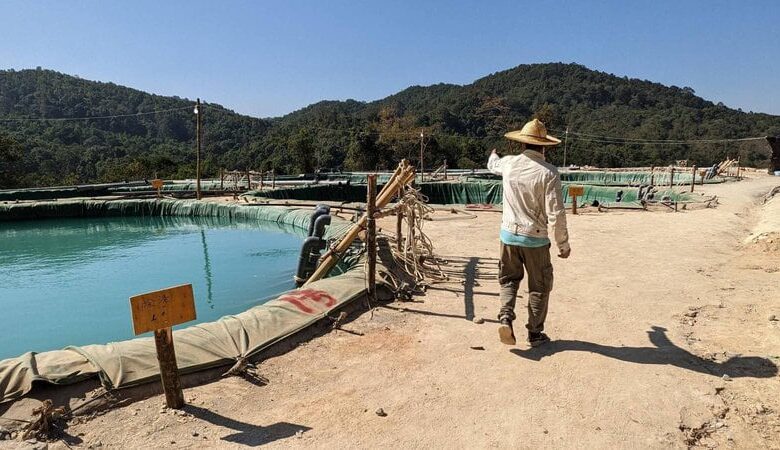
Myanmar’s rapid growth in rare earth mineral production has made it the world’s third-largest producer of these minerals. India’s efforts to access Myanmar’s resources, however, involve complex geopolitical, logistical and environmental challenges, while also taking place against China’s dominant position in mineral processing.
As Beijing tightens controls on critical mineral exports, Myanmar’s deposits have assumed greater importance for India as a potential strategic source. Cooperation between India and Myanmar in the mining sector has consequently gained momentum since 2024.
In June 2026, the two governments took steps to deepen cooperation in critical and rare minerals, as well as trade, security and connectivity. India’s Prime Minister Narendra Modi and Myanmar President Min Aung Hlaing held talks in New Delhi, drawing on the longstanding historical, cultural and people-to-people ties between the two countries.
Following the high-level meetings, India’s Ambassador to Myanmar said in July 2026 that cooperation in rare earths and critical minerals had received high-level attention from the leadership of both countries. The engagement is aimed at expanding cooperation in the mining and minerals sector, including rare earths and other critical minerals, through technical exchanges, business partnerships and capacity-building initiatives.
Several challenges remain, including inadequate infrastructure to transport raw materials from the landlocked, rugged and conflict-affected areas along the India-Myanmar frontier. The presence of ethnic armed groups, including the Kachin Independence Army, in areas where the minerals are located also creates friction with Myanmar’s military personnel.
The situation adds to the complexity of India’s broader diplomatic engagement in the region. Strengthening cooperation with the Myanmar administration, alongside greater commercial, logistical and technical collaboration, remains central to India’s approach.
Myanmar remains a long-term strategic partner for India, requiring sustained engagement between relevant agencies in both countries and policies suited to Myanmar’s evolving political landscape.
India’s strategy seeks to reduce supply-chain risks amid China’s strong position in critical minerals. However, challenges surrounding mineral access and logistics remain significant as New Delhi works to strengthen its supply of resources essential to the global energy and technology transition.