- Record-breaking export performance: India achieved its highest-ever exports of US $860 billion in FY 2025–26, marking strong growth despite global challenges such as tariffs, geopolitical tensions, and supply chain disruptions.
- Broad-based structural strength: Growth is supported by reforms like the Foreign Trade Policy, PLI schemes, digital trade systems, and MSME support, with both merchandise exports (US $442 billion) and services exports (US $418 billion) showing resilience and diversification.
- Rising global competitiveness and diversification: India is expanding its export markets and strengthening trade ties globally, while also increasing non-petroleum exports and achieving a US $213 billion services surplus, reinforcing long-term external sector stability.
India has achieved a major economic milestone, recording its highest-ever exports of US $860 billion in FY 2025–26, underscoring the country’s growing strength in global trade despite a challenging international environment marked by tariffs, geopolitical tensions, and supply chain disruptions.
The achievement reflects sustained momentum in India’s external sector, supported by a range of policy-driven reforms including a dynamic Foreign Trade Policy, trade facilitation measures, digitalization of trade systems, Production Linked Incentive (PLI) schemes, and targeted support for micro, small and medium enterprises (MSMEs).
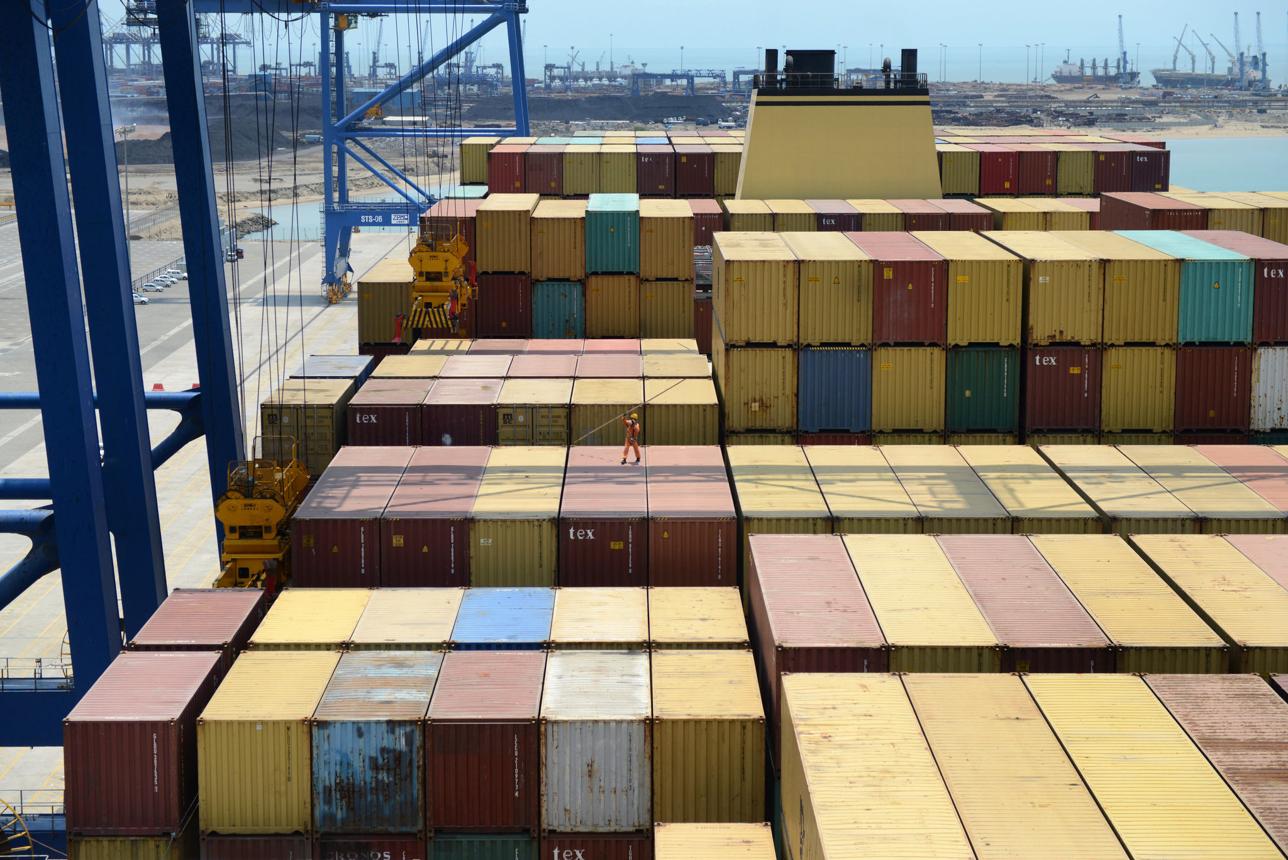
Over the past five years, India’s export trajectory has shown steady and consistent growth. Exports rose from US $500 billion in FY 2020–21 to US $641 billion in FY 2021–22, followed by US $776 billion in FY 2022–23, US $778 billion in FY 2023–24, US $825 billion in FY 2024–25, and now US $860 billion in FY 2025–26.
This sustained rise comes at a time when global trade has been affected by rising protectionism, tariff barriers, and geopolitical instability. Despite these pressures, India’s export sector has demonstrated strong resilience, diversification, and adaptability across markets and product categories.
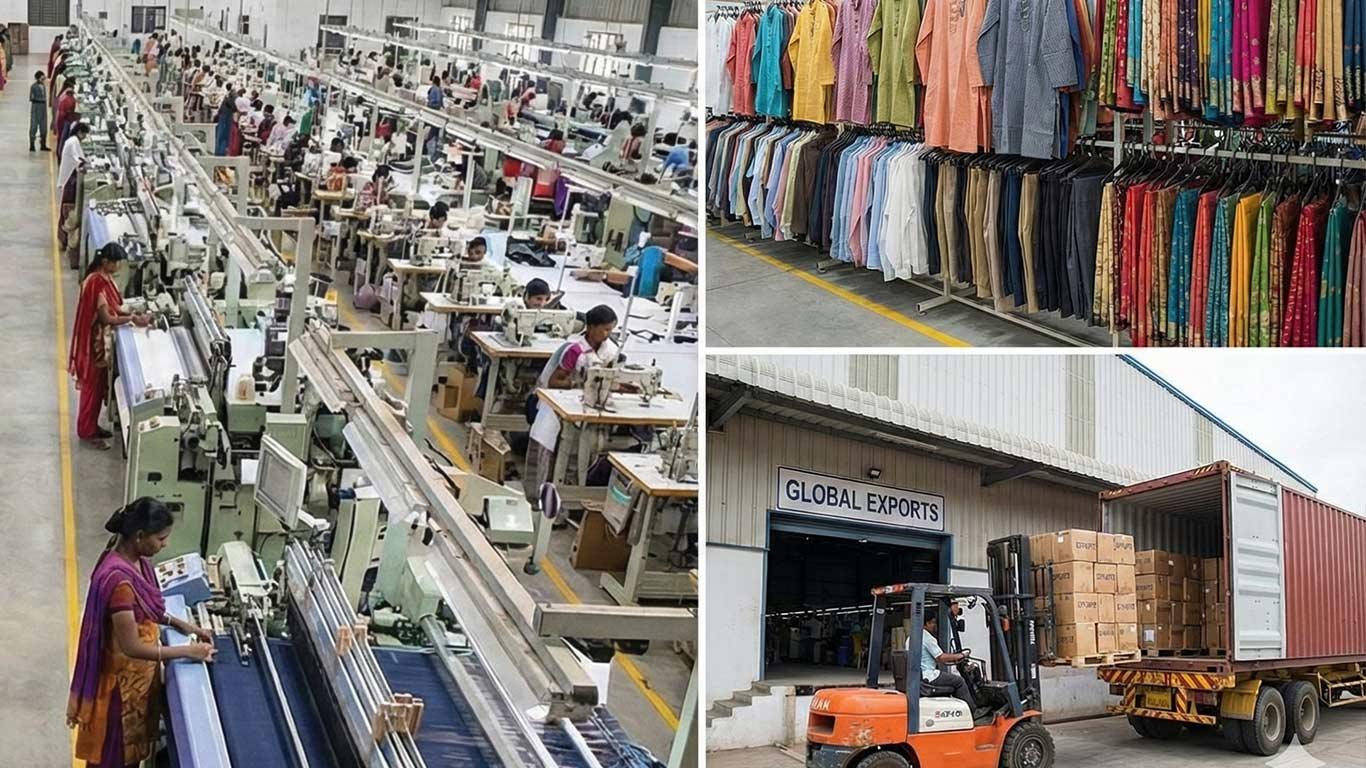
India’s total exports, including both merchandise and services, grew by 4.22% year-on-year, reinforcing its ability to withstand global uncertainty while maintaining steady growth.
Merchandise exports stood at US $442 billion in FY 2025–26, registering a modest but positive growth compared to the previous year. Key sectors such as petroleum products, engineering goods, minerals, cereals, and handicrafts played a significant role in sustaining export performance, reflecting broad-based strength across both traditional and industrial segments.
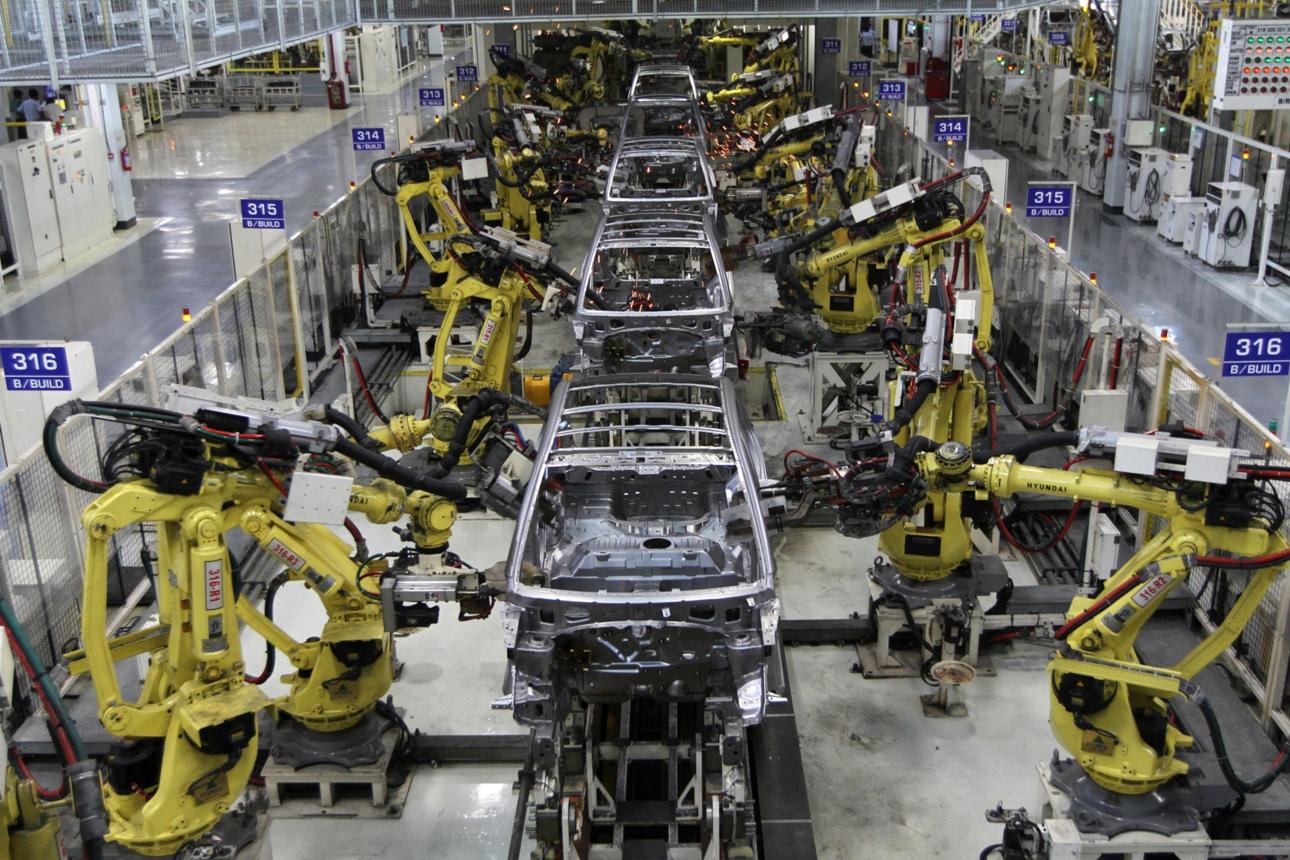
A notable feature of India’s trade performance has been the rise in non-petroleum exports, which reached US $388 billion, while non-petroleum and non-gems & jewelry exports climbed to US $359 billion. This shift highlights India’s growing diversification and reduced reliance on volatile commodity-linked exports.
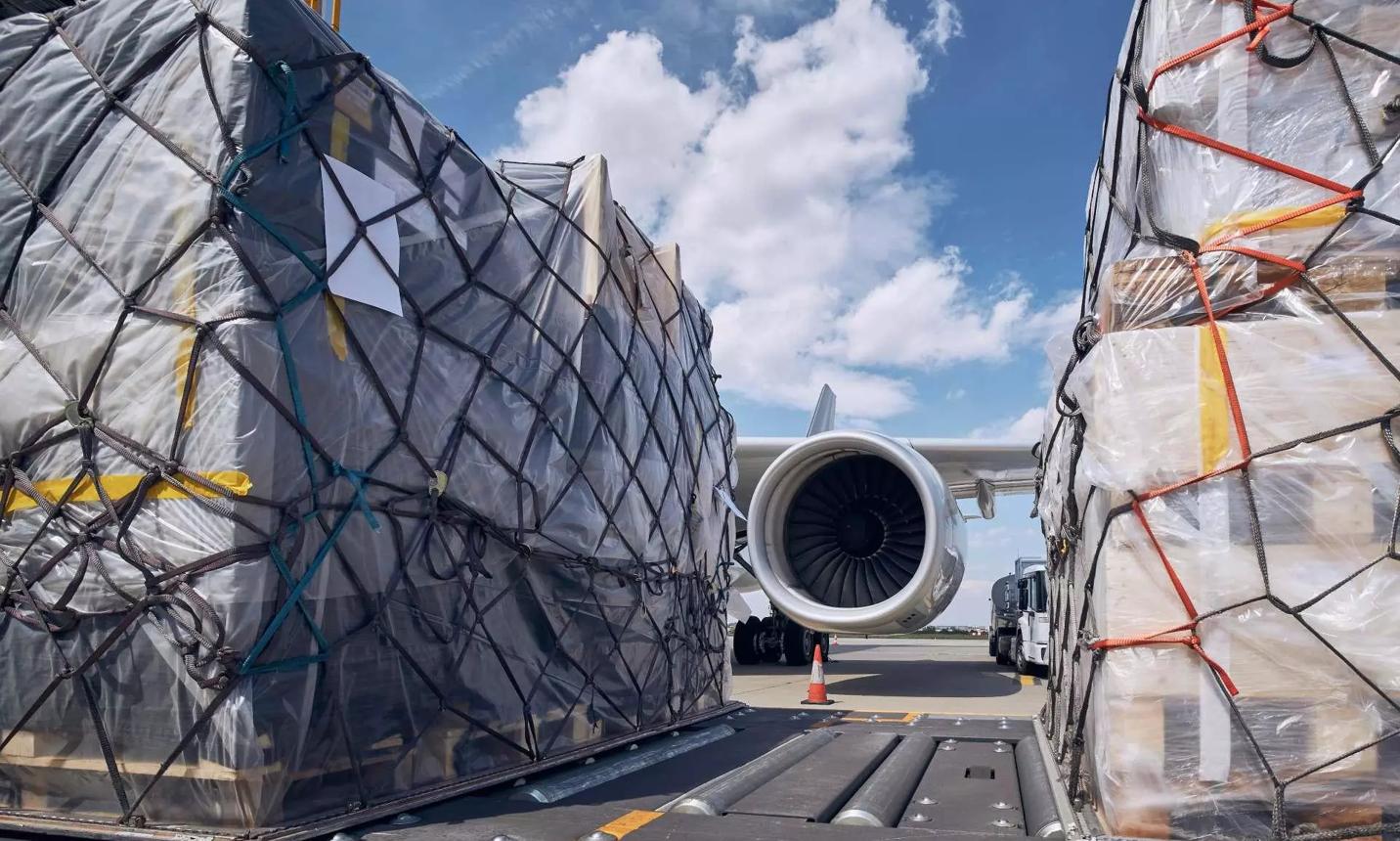
Services exports continue to be a major pillar of India’s external sector, rising to US $418 billion, marking an 8% increase over the previous year. The services trade surplus expanded to US $213 billion, driven largely by information technology, financial services, and professional services, strengthening India’s external balance.
While the services surplus plays a key stabilizing role, analysts note the importance of further strengthening domestic manufacturing to ensure long-term trade sustainability and balance between sectors.
India’s trade links with China also deepened significantly. Exports to China increased by 37% during FY 2025–26, while imports rose by 16%, reflecting India’s integration into global supply chains, particularly in electronics, machinery, and chemical inputs.

At the same time, India’s export base is becoming increasingly diversified across global markets. Exports to countries such as Singapore, Malaysia, Tanzania, and Sri Lanka recorded sharp growth, while strong annual increases were also seen in markets like Spain, Hong Kong, and Vietnam.
This widening geographic spread of exports enhances India’s resilience to regional shocks and strengthens its position in both developed and emerging economies.
Despite global headwinds, India’s export sector continues to benefit from proactive policy support, improved logistics infrastructure, and expanding digital trade systems, enabling exporters to remain competitive in a rapidly changing global landscape.
India’s recent trade agreements with multiple economies are also expected to further boost export potential by improving market access, reducing tariffs, and strengthening participation in global value chains.
Overall, India’s record export performance in FY 2025–26 reflects a transformation from resilience to sustained global competitiveness, positioning the country as a key and rising force in international trade.