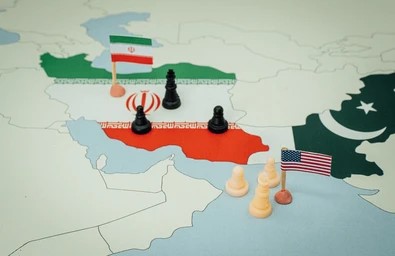
Iran has entered the high-stakes negotiations in Islamabad from what analysts describe as a position of growing confidence, pointing to what they see as a notable shift in the stance of the United States.
According to Professor Zohreh Kharazmi of the University of Tehran, the mere presence of Washington at the negotiating table marks a significant departure from earlier rhetoric.
She noted that as recently as early March, US President Donald Trump had called for unconditional surrender, whereas the current phase reflects a willingness to engage, Al-Jazeera reports.
Kharazmi stressed that Tehran remains steadfast in its demands, signaling that while not all conditions may be secured immediately, progress could unfold over successive rounds of talks. “Iran is firm about its conditions,” she said, adding that key priorities are unlikely to be compromised.
Central to Iran’s negotiating leverage remains the strategic Strait of Hormuz, a critical global energy artery. Kharazmi underscored that control over the waterway is viewed in Tehran as a vital instrument of influence, with leadership signaling it will not be relinquished easily. She suggested that Iran sees the strait as a means of offsetting the broader costs of the conflict.
Reinforcing this stance, Iranian Parliament Speaker Mohammad Bagher Ghalibaf, who is part of the delegation in Islamabad, indicated openness to a deal, but only under credible terms. He emphasized that while Iran approaches the talks with goodwill, it continues to harbor deep mistrust toward Washington, insisting that any agreement must guarantee Iran’s rights.
At the international level, the United Nations has urged both sides to capitalize on the diplomatic opening. Secretary-General Antonio Guterres called on Washington and Tehran to seize what he described as a critical opportunity for de-escalation and to prevent a relapse into hostilities.
UN officials confirmed that diplomatic channels remain active across the region, with envoy Jean Arnault continuing consultations aimed at supporting broader mediation efforts, even as no direct UN participation in the Islamabad talks has been announced.
As negotiations unfold, the atmosphere remains cautiously optimistic yet fragile. While Iran projects confidence and strategic leverage, the deep-rooted trust deficit between the two sides continues to cast uncertainty over the prospects for a lasting breakthrough.