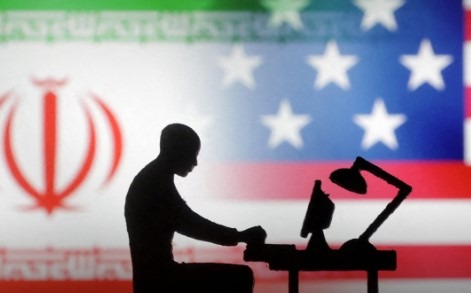
As the conflict between the United States, Israel, and Iran intensifies on the ground, a parallel battle is unfolding online — one that analysts say is being driven by influencers and viral content spreading misinformation at unprecedented speed.
Experts warn that social media platforms have become saturated with misleading posts, doctored visuals, and recycled footage, creating a distorted version of events that often reaches millions before it can be verified or removed.
According to analysts, much of the content circulating online is either artificial intelligence generated or repurposed from unrelated past events, falsely presented as current developments in the war, according to Khaleej Times.
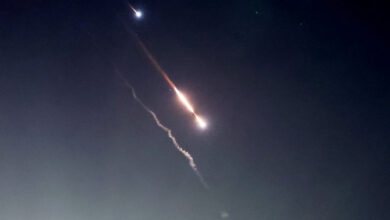
In some cases, sources said, old military footage and even unrelated disasters have been reframed to appear as fresh attacks, misleading audiences worldwide.
Influencers, particularly those with large followings, are playing a significant role in amplifying such content. While not all intentionally spread falsehoods, the structure of social media rewards engagement—often prioritizing sensational and emotionally charged posts over verified information.
This dynamic has allowed unverified claims to spread rapidly, shaping public perception of the conflict.
Analysts describe the situation as a modern “information war,” where controlling narratives online is nearly as critical as military operations on the ground.
The speed and scale of digital platforms mean that misinformation can influence public opinion, fuel political polarization, and even affect diplomatic discourse.
At the same time, the growing sophistication of AI-generated media is making it increasingly difficult for users to distinguish between real and fabricated content.
Experts caution that even experienced observers can struggle to identify convincing fake videos or images, further complicating efforts to maintain accurate reporting.
As the war continues to expand regionally, with rising casualties and escalating military exchanges, the battle for truth online remains a critical front.
Analysts emphasize the need for greater public awareness, stronger verification practices, and responsible content sharing to counter the spread of misinformation.
In today’s conflicts, they conclude, perception can be as powerful as reality—and in the digital age, influencers have become key players in shaping both.