In the wake of escalating tensions in the Middle East, the Ministry of External Affairs (MEA) confirmed on Friday that approximately 1,30,000 Indian nationals have returned home since February 28.
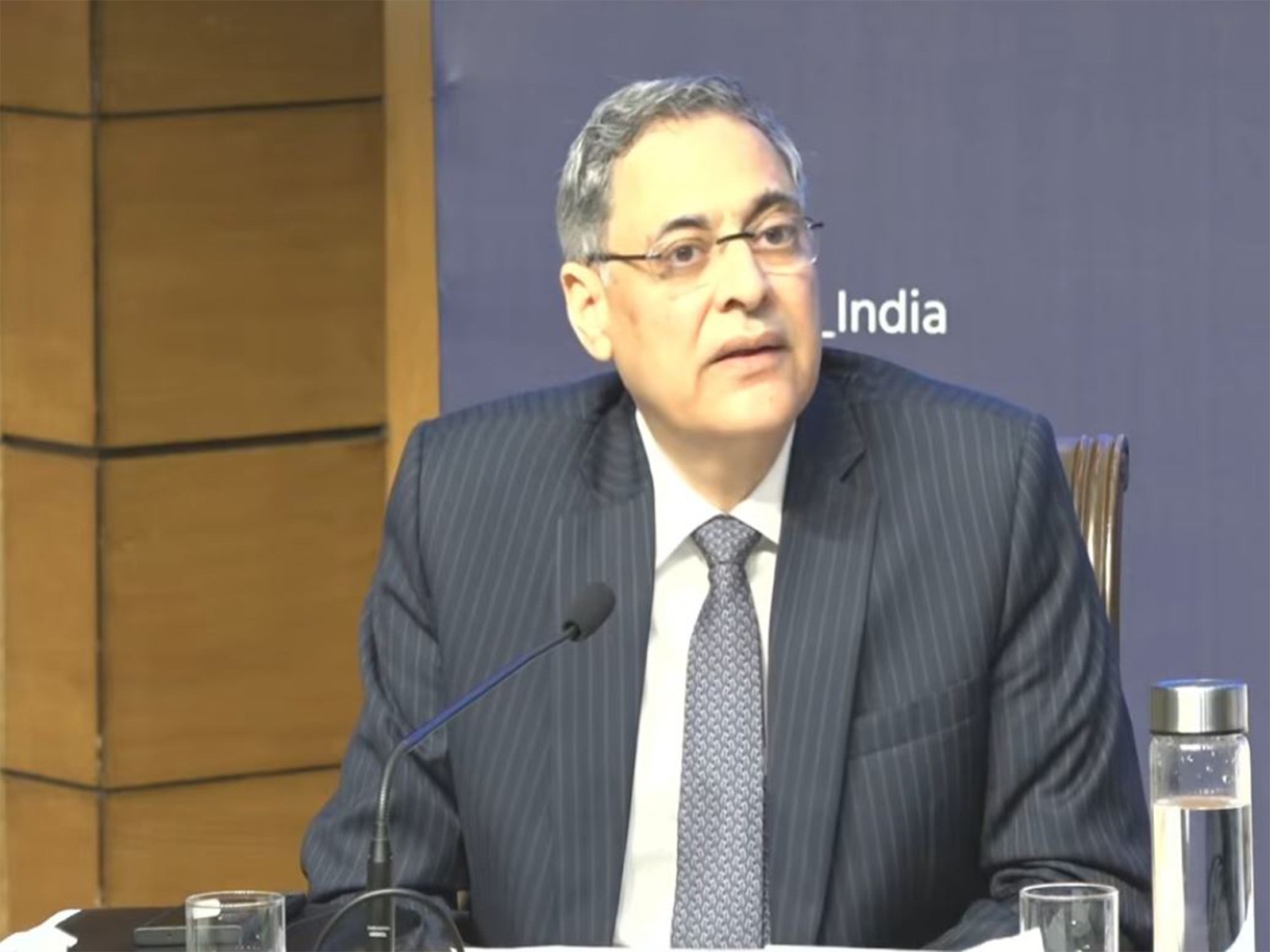
Additional Secretary (Gulf) Aseem Mahajan provided the update during an Inter-Ministerial Briefing on the evolving security situation in the region, highlighting the latest flight and airspace developments.
“Let me update you on the latest flight and airspace situation,” Mahajan said. “Since February 28, around 1,30,000 Indian nationals have returned to India.”
He added that air travel from the United Arab Emirates has improved, with regular non-scheduled commercial operations now running from multiple airports, according to the Economic Times.
From Qatar, nearly 2,900 Indians have flown back on Qatar Airways in recent days, with additional flights expected. Some passengers have also returned via Saudi Arabia.
In Saudi Arabia, airspace remains open. Mahajan noted that Air India Express and IndiGo resumed operations from Riyadh, while regular flights continue from Jeddah, Madinah, and Dammam.
In Bahrain, Gulf Air has restarted operations from Dammam, connecting to Delhi, Mumbai, and Kochi. Over 1,000 Indian nationals have already used these services.
“Regarding Kuwait, since its airspace remains closed, Kuwait-based Jazeera Airways is operating from the AQI airport in Saudi Arabia, and flights to India are expected to commence soon,” Mahajan said.
He added that Indian authorities are also facilitating the travel of citizens from Iraq despite closed airspace.
During the briefing, Mahajan also reported the deaths of two Indians in Muscat and confirmed ongoing efforts to repatriate 15 Indian nationals from the ship Safesea Vishnu, along with the retrieval of a deceased Indian national’s remains.
These developments follow joint US-Israeli military operations that led to the killing of Iran’s former Supreme Leader, Ayatollah Ali Khamenei, on February 28, triggering heightened regional tensions.
Iran retaliated against US and Israeli interests across several Gulf nations, disrupting key shipping routes and global energy markets.
As the conflict enters its 14th day, the threat of Iran closing the Strait of Hormuz looms, potentially impacting energy supplies worldwide.
United Nations Secretary-General Antonio Guterres expressed serious concern over the crisis, urging all parties to pursue diplomacy and de-escalation, emphasizing that civilian suffering is mounting and peaceful dialogue remains the only viable path forward.
Calling for an immediate end to hostilities, the UN chief emphasized that diplomacy remains the only viable path forward.
“De-escalation and dialogue are the only way out,” Guterres said, urging all parties to cease hostilities, uphold international law, protect civilians and return immediately to negotiations.