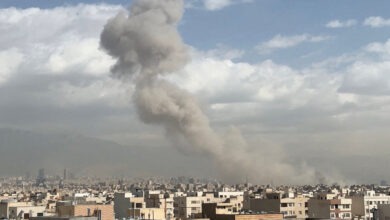
The United Kingdom is preparing contingency plans to evacuate tens of thousands of British nationals from the Gulf region should the escalating conflict in the Middle East worsen, according to multiple British media reports.
The UK Foreign, Commonwealth and Development Office (FCDO) confirmed that around 76,000 British citizens have registered their presence across potentially affected countries, amid growing security concerns and widespread travel disruptions.
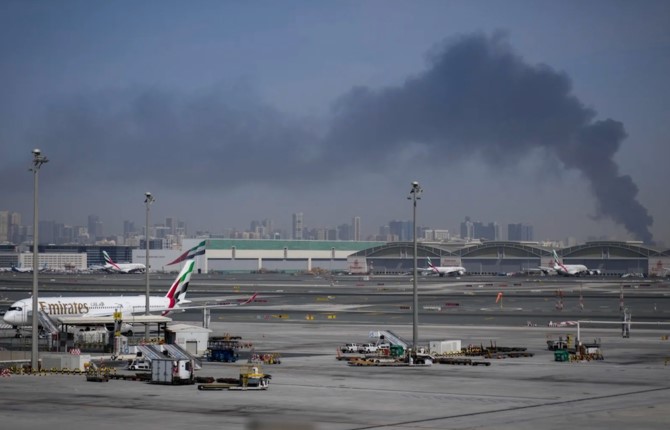
Reports indicate that more than 50,000 British nationals are currently in the UAE, many of them tourists and business travelers in Dubai — a major regional hub whose airspace closure has left thousands stranded without clear travel options.
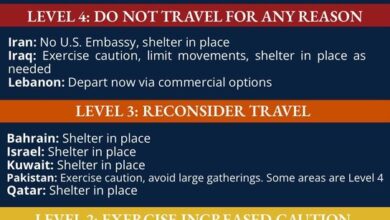
The British government has issued strict travel advisories, warning against all travel to Iran, Israel and the Palestinian territories, while urging citizens to avoid all but essential travel to the UAE, Qatar, Kuwait and Bahrain. Additional caution has also been advised for certain areas of Pakistan, according to the Arab News.
British nationals in Saudi Arabia have been urged to remain indoors, while those in Jordan, Oman, Syria, Lebanon, Yemen and Iraq have been instructed to take heightened safety precautions amid rising regional instability.
British Foreign Secretary Yvette Cooper is expected to address the crisis publicly, as Prime Minister Keir Starmer reaffirmed the UK’s solidarity with Middle Eastern nations facing escalating attacks during calls with regional leaders.
Meanwhile, Riyadh has emerged as a critical evacuation gateway. With several regional airports closed, wealthy expatriates and senior executives stranded in Gulf cities such as Dubai, Abu Dhabi and Doha are reportedly undertaking long overland journeys to Saudi Arabia’s capital to access outbound flights.
Private security firms are arranging convoy transfers for high-net-worth individuals traveling up to 10 hours by road to King Khaled International Airport, one of the few operational aviation hubs in the region. Charter flights departing Riyadh for Europe are reportedly costing as much as $350,000, reflecting soaring demand for safe exit routes.