Air strikes by the United States and Israel on Iran continued for a second consecutive day after the launch of a large-scale military operation early Saturday, marking one of the most dangerous escalations in the region in recent years.
The widening confrontation comes amid mounting casualties and rapidly shifting political developments inside Iran, where President Masoud Pezeshkian has vowed revenge following the announced death of Supreme Leader Ali Khamenei.
Iranian authorities declared a period of national mourning and confirmed the formation of a transitional leadership council tasked with managing state affairs during the unfolding crisis.
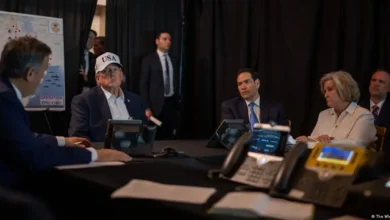
As tensions intensified, US president Donald Trump said Washington intends to hold talks with Iran’s new leadership, though he did not provide a timetable or details about the proposed negotiations, according to middlesteye.net.
His remarks suggested that diplomatic channels may remain open despite ongoing military operations.
Analysts say the announcement reflects parallel tracks of military pressure and potential political engagement, even as violence continues across multiple fronts.
The conflict has already exacted a devastating human cost. Iranian officials reported that at least 165 people — most of them young girls — were killed in an air strike on a school in southern Iran, an incident that has drawn widespread international concern and intensified calls for restraint.
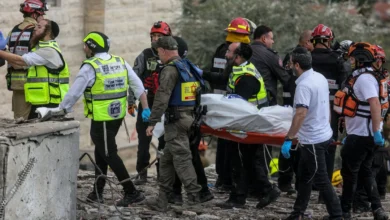
Meanwhile, Iran launched missile attacks toward Israel, killing nine people in central areas of the country. The exchange of strikes has underscored the growing risk of a prolonged regional war involving both military and civilian targets.
US officials also confirmed the deaths of three American service members during operations connected to the conflict, highlighting the increasing risks facing foreign forces stationed across the Middle East.
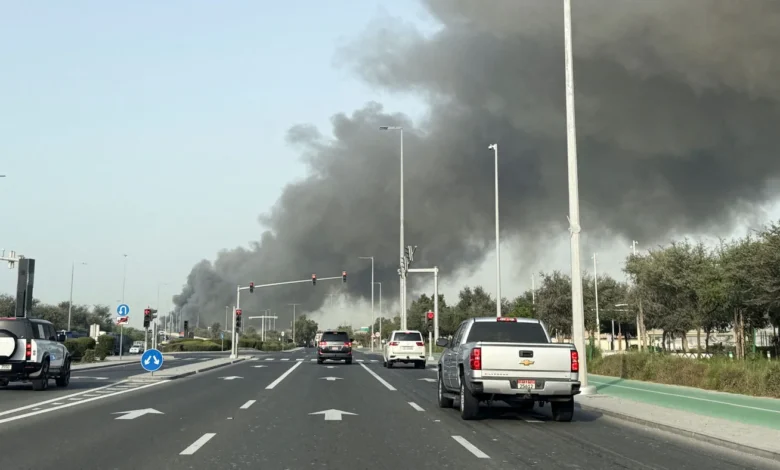
In retaliation for the ongoing air campaign, Iran targeted US military installations across the region. Strikes or attempted strikes were reported in several Gulf capitals, including Riyadh, Abu Dhabi, Dubai, Manama, Doha and Kuwait City, signaling a dramatic expansion of the conflict beyond Iran and Israel.
The simultaneous military escalation, leadership transition in Tehran and rising civilian casualties have heightened fears that the confrontation could evolve into a broader regional war.
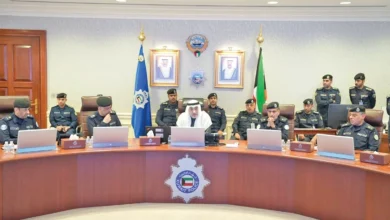
Governments across the Gulf and beyond have increased security readiness as diplomatic efforts struggle to keep pace with rapidly unfolding events.
With retaliatory threats continuing and no immediate ceasefire in sight, the situation remains highly volatile, leaving the region bracing for further escalation in the days ahead.