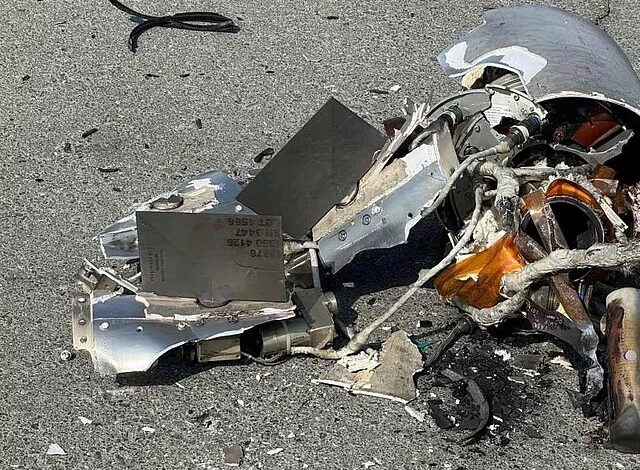
The conflict between the United States, Israel, and Iran escalated sharply on Saturday as Gulf states were drawn into the fallout, with the United Arab Emirates confirming the interception of multiple Iranian missiles and reporting one death caused by falling debris.
The UAE Ministry of Defence announced that its air defence systems successfully intercepted several waves of missiles and drones launched toward the country, preventing major damage.
Authorities said debris from intercepted projectiles fell in populated areas, killing one person and prompting heightened emergency measures.
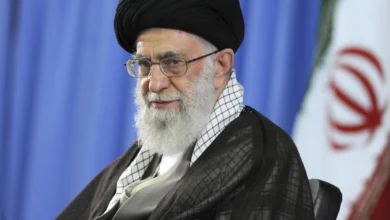
The escalation followed large-scale US and Israeli strikes across Iran, with US President Donald Trump confirming the launch of “major combat operations” and urging Iranians to overthrow their leadership, the Gulf News reports.
Reported targets included senior government facilities in Tehran and military installations nationwide.
Iranian state media reported heavy civilian casualties, including dozens killed in an attack on a girls’ school in the southern city of Minab, while Tehran condemned the strikes as illegal aggression and called on the UN Security Council to intervene immediately.
In retaliation, Iran launched missile attacks toward Israel and US-linked targets across the region, triggering air defence responses and security alerts in several Gulf countries, including Qatar, the UAE, and Kuwait.
Explosions were reported in parts of the Gulf as authorities temporarily closed airspace and suspended commercial flights, disrupting regional aviation.
Israel confirmed that approximately 200 fighter jets carried out what it described as the largest air operation in the history of its air force, striking hundreds of targets including missile launchers and air defence systems inside Iran. Additional waves of strikes continued throughout the day.
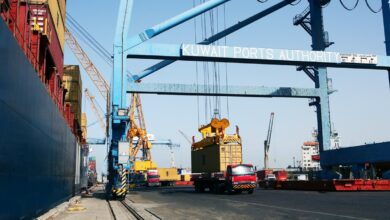
Meanwhile, tensions intensified after Iran signaled moves to close the Strait of Hormuz, issuing warnings to vessels in one of the world’s most critical energy shipping routes.
Regional governments moved to reassure the public, urging calm and warning against misinformation, while emergency services remained on high alert. International airlines halted flights across parts of the Middle East as airspace closures expanded amid fears the confrontation could widen into a broader regional war.
Diplomatic efforts also intensified, with India and several regional actors calling for immediate de-escalation and renewed dialogue to prevent further escalation.