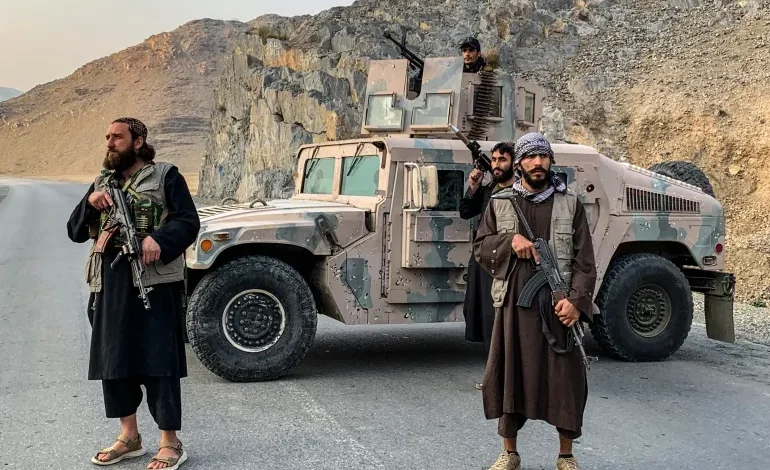
Tensions between Pakistan and Afghanistan have sharply escalated after Pakistani airstrikes targeted several Afghan cities, including Kabul, Kandahar and Paktia, in what Islamabad described as a decisive response to cross-border attacks.
Pakistan’s Defence Minister, Khawaja Asif, said his country’s “patience has run out,” declaring that the situation had entered an “open war” phase following what he described as aggression against Pakistani military positions along the shared border.
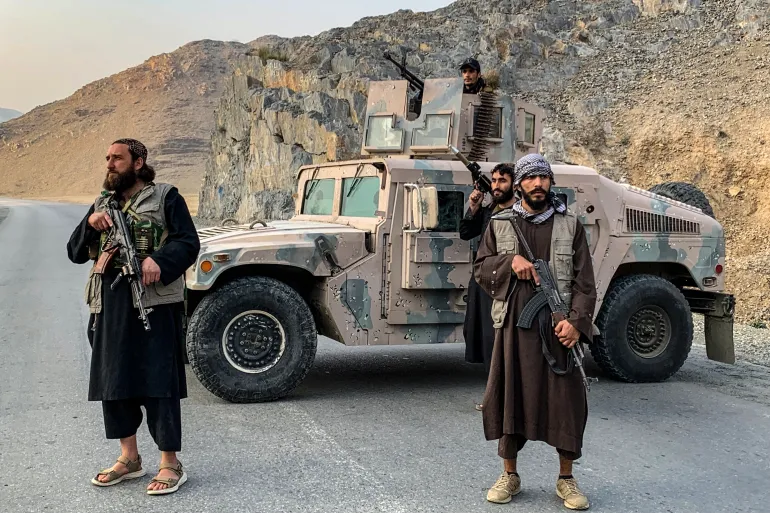
Afghan authorities confirmed that strikes hit multiple locations but denied reports of casualties. Taliban government spokesperson Zabihullah Mujahid said Pakistani forces carried out attacks in Kabul, Kandahar and Paktia province, while clashes and heavy shelling were also reported near the strategic Torkham border crossing, reports Al-Jazeera daily.
According to Pakistani officials, the strikes targeted Taliban military positions and resulted in significant losses among fighters, although these claims have not been independently verified. Afghan officials, meanwhile, accused Pakistan of earlier attacks that allegedly killed civilians and triggered retaliatory operations against Pakistani border posts.
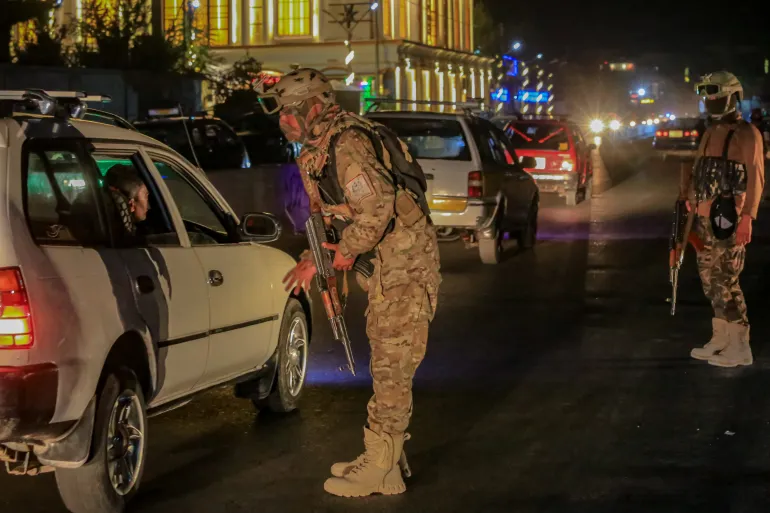
The latest escalation follows days of intense fighting along the frontier. Afghanistan’s Defence Ministry claimed its forces had launched large-scale operations against Pakistani installations, reporting casualties among Pakistani troops and the destruction of several military positions. Islamabad rejected these claims and maintained that its actions were defensive.
In Islamabad, Prime Minister Shehbaz Sharif said the nation stood united behind its armed forces, emphasizing that Pakistan would take all necessary measures to defend its sovereignty and territorial integrity.
Relations between the neighbors have deteriorated significantly in recent months, largely driven by Pakistani accusations that militant groups, including the Pakistan Taliban, operate from Afghan territory — allegations Kabul denies.
Former Afghan President Hamid Karzai called on Afghans to defend their country while urging Pakistan to reconsider its policies and pursue better relations through mutual respect and cooperation.
The international community has expressed growing concern over the confrontation. UN Secretary-General Antonio Guterres called for immediate restraint and stressed the need to protect civilians and resolve disputes through diplomatic channels. Iran’s Foreign Minister Abbas Araghchi and other regional actors also urged dialogue and mediation efforts.
Former US envoy Zalmay Khalilzad warned that continued retaliation risks deepening instability, advocating a monitored agreement preventing either country’s territory from being used to launch attacks against the other.
Analysts describe the latest confrontation as one of the most serious military escalations between the two countries since the Taliban returned to power, raising fears of a wider regional crisis unless diplomatic efforts succeed in halting the cycle of attacks and counterattacks.