Europe reconsiders its future: MSC flags a new era beyond Washington
Rubio in Munich: US and Europe at a crossroads as strategic alliances face test; from transatlantic trust to European autonomy: leaders chart a bold geopolitical path
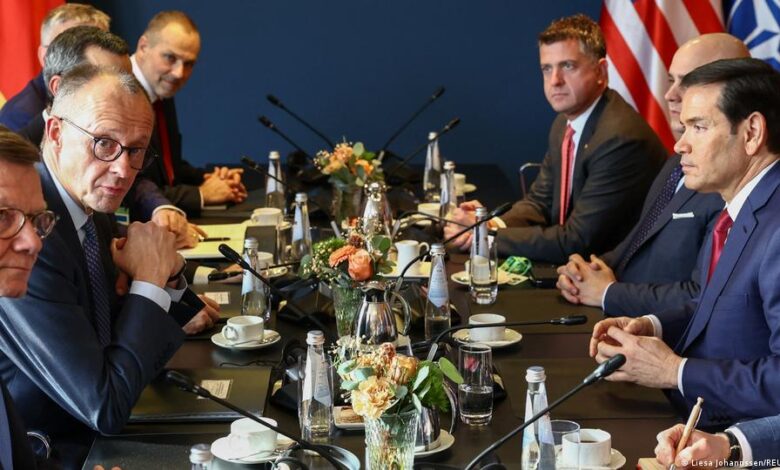
The Munich Security Conference (MSC) this week highlighted Europe’s strategic reckoning with an increasingly unpredictable United States.
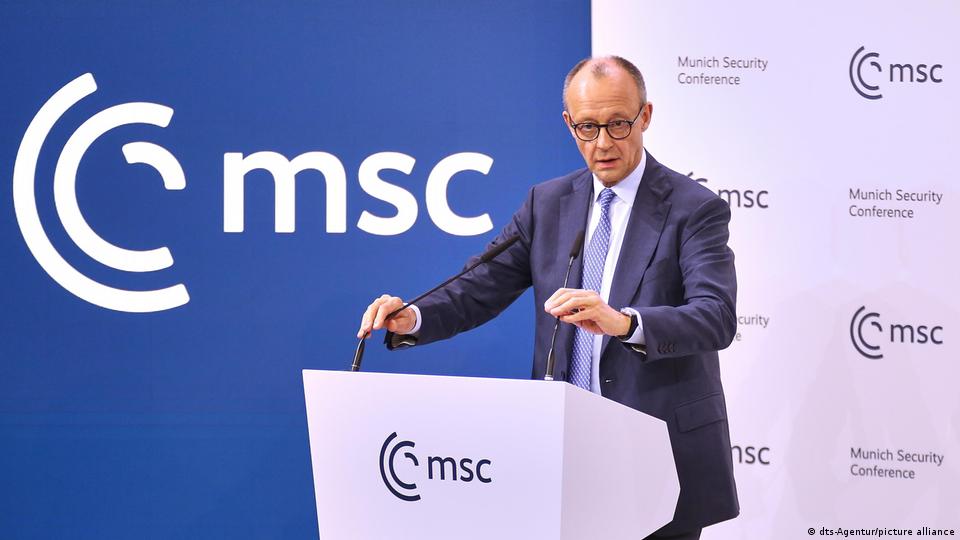
German Chancellor Friedrich Merz opened the conference by warning of a growing rift between Europe and Washington, emphasizing that the post-World War II security order is shifting.
“We are not at the mercy of this world; we can shape it,” Merz said, calling for Europeans to step forward with confidence and unity while also restoring transatlantic trust.
US Secretary of State Marco Rubio, the highest-ranking American official attending, urged solidarity while signaling a “new era” of geopolitics, dw.com reports.
Rubio criticized overreliance on external powers and spoke of shared responsibility, noting that Washington is prepared to act ‘alone’ if necessary, though cooperation remains the preferred path.
Rubio decried “mistakes” both the US and its European allies had made in allowing national sovereignty to crumble — veiled references to economic reliance on countries like China and mass immigration.
“We made these mistakes together, and together we owe it to our people to face those facts and move forward…we are prepared, if necessary, to do this alone. But it is our preference to do it together.”
The secretary of state then appeared to address criticism from allies that President Trump has displayed a disregard for precedent and decorum amongst friends, saying it was because “we care deeply for our shared future.”
European leaders discussed strengthening defense independence. A panel titled “Hard Core Europe: Defending Ourselves Without the US?” explored ways for Europe to reduce its dependence on Washington amid concerns over erratic US foreign policy.
British Prime Minister Keir Starmer reinforced this perspective, calling for sovereign deterrence and stronger EU-UK defense collaboration.
British Prime Minister Kier Starmer will call for deeper ties between the UK and the EU in his speech at the MSC on Saturday, according to notes released ahead of time by his office.
“We are not the Britain of the Brexit years anymore. Because we know that, in dangerous times, we would not take control by turning inward — we would surrender it. And I won’t let that happen,” Starmer is expected to say on Saturday.
“There is no British security without Europe, and no European security without Britain. That is the lesson of history — and it is today’s reality too.”
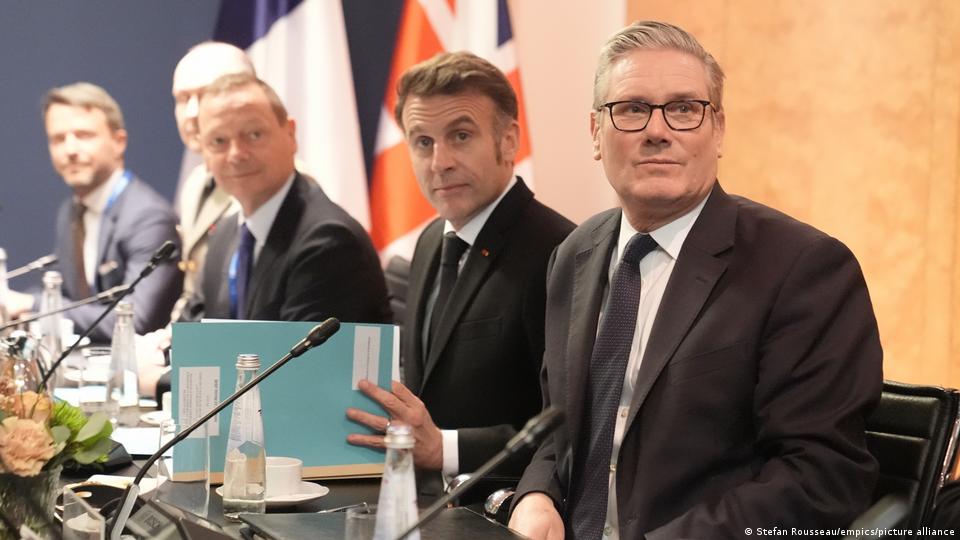
French President Emmanuel Macron urged Europe to display resilience in the face of Russian aggression, emphasizing the continent’s geopolitical potential.
“This is the right time for audacity. This is the right time for a strong Europe,” Macron said, while adding that more pressure should be put on Russia.
The French president said if there is a peace deal with Russia, Europe will have to create a new framework for coexistence.
“If we reach a settlement on Ukraine, we will still have to contend with an aggressive Russia,” Macron said. “We will have to define rules of coexistence that limit the risk of escalation.”
On the sidelines, Chinese Foreign Minister Wang Yi promoted pragmatic economic engagement with Europe, highlighting China as an opportunity rather than a threat.
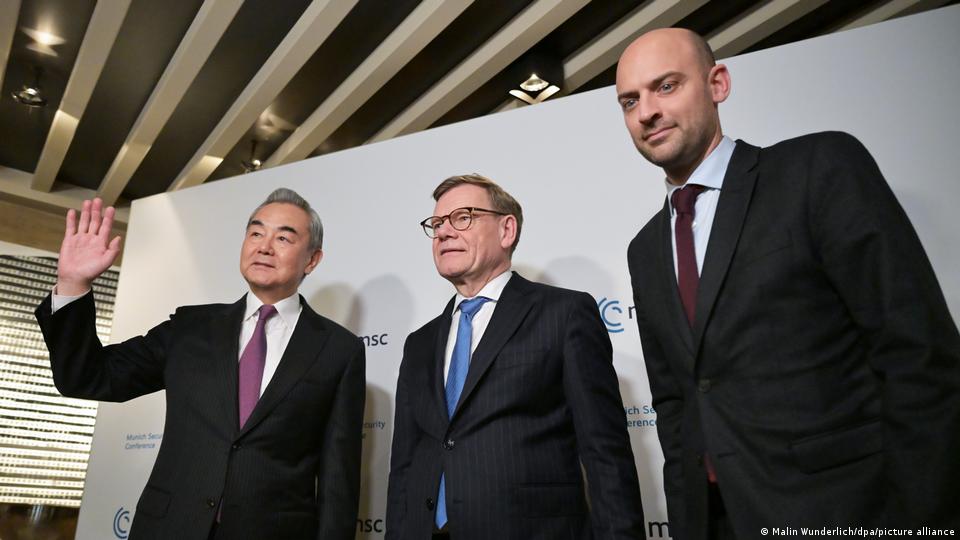
Chinese Foreign Minister Wang Yi said China and the EU should properly manage their differences during a meeting with his German and French counterparts on the sidelines of the MSC on Friday.
According to a readout published by Chinese state news agency Xinhua on Saturday morning, Wang said that “unilateralism, protectionism, and power politics” were on the rise globally and hoped that Europe would instead “pursue a rational and pragmatic policy towards China.”
“China’s development is an opportunity for Europe, and Europe’s challenges do not come from China,” Wang said.
Wang also held a separate meeting just with German Foreign Minister Johann Wadephul, in which he hailed economic and trade cooperation as “the cornerstone of China-Germany ties.”
The MSC 2026 underscored a pivotal moment in global geopolitics, with Europe balancing the pursuit of strategic autonomy while maintaining vital ties with the United States amid rising challenges from Russia and China.