Trump scraps landmark climate safeguard as scientists warn of escalating global risks
US abandons 16-year climate shield, opening door to fossil fuel expansion; critics say America turns its back on climate science; endangerment finding revoked
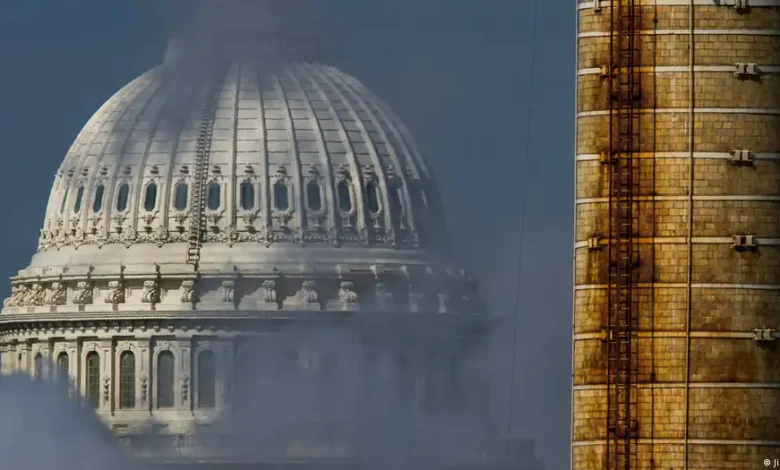
In a sweeping policy shift described by the White House as the “largest deregulatory action in American history,” President Donald Trump has rescinded the 2009 “endangerment finding,” a cornerstone of US climate regulation for more than 16 years.
The move dismantles the legal basis that allowed federal authorities to regulate greenhouse gas emissions under the Clean Air Act.
The endangerment finding, issued in 2009 by the United States Environmental Protection Agency during the administration of Barack Obama, determined that carbon dioxide, methane and other greenhouse gases pose a threat to public health and welfare. That determination empowered regulators to limit emissions from vehicles, power plants and the oil and gas sector, dw.com reports.
Standing at the White House, Trump dismissed the scientific and legal foundation of the ruling. “This determination had no basis in fact, no basis whatsoever, and no basis in law,” he said, calling climate regulation a “scam” and arguing that it imposed excessive burdens on businesses and consumers.
The repeal effectively strips the EPA of its authority under the 1963 Clean Air Act to regulate greenhouse gases. Legal scholars say this represents one of the most consequential environmental reversals in modern US history.
Without the endangerment finding, key emissions standards for cars, trucks and power plants lose their legal footing.
Trump and his allies have argued that the decision will reduce regulatory costs and expand access to affordable energy. The White House claims the rollback could save Americans more than $1.3 trillion by eliminating vehicle emissions requirements and related climate programs.
EPA Administrator Lee Zeldin has previously contended that earlier administrations “twisted the law” and imposed rules that threatened American livelihoods.
Environmental scientists and advocacy groups sharply disagree. The American Geophysical Union has said the original finding was grounded in decades of peer-reviewed climate science.
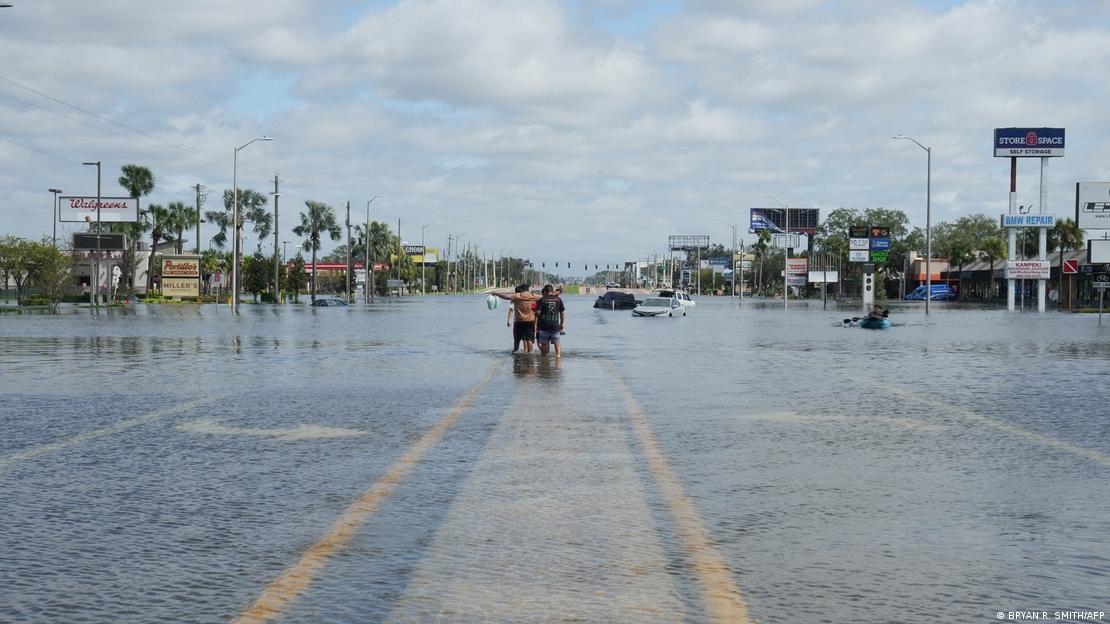
Critics warn that weakening federal oversight risks worsening air pollution and accelerating the impacts of climate change — from deadly heatwaves to destructive floods and extreme storms.
The transportation sector, currently the largest source of US greenhouse gas emissions, faces particular uncertainty. Under former President Joe Biden, the US had set a goal for electric vehicles to account for at least half of new car sales by 2030.
Analysts now say those ambitions are likely to stall as federal pressure eases and fossil fuel production expands.
The rollback comes at a time when global climate warnings are intensifying. Researchers, including Oregon State University ecologist William Ripple, have cautioned that destabilizing feedback loops in Earth’s climate system could push the planet toward a “hothouse” state, far beyond the stable conditions that have supported human civilization for thousands of years.
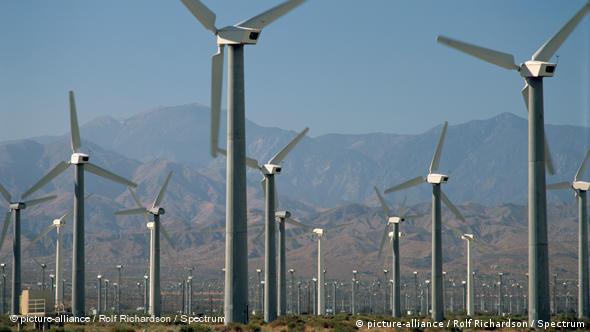
Trump’s broader climate agenda has included withdrawing the US from the Paris Agreement, cutting environmental protections, boosting fossil fuel development and expressing support for coal-fired power generation.
This week, he ordered US military facilities to prioritize electricity from coal-powered plants, citing concerns about renewable energy reliability.
Legal challenges are expected. Groups such as the Environmental Defense Fund and Earthjustice have indicated they will contest the decision in court, potentially all the way to the Supreme Court.
However, such proceedings could take years — and until then, one of America’s most important climate safeguards remains dismantled at a moment when global warming risks are surging.