India considers social media ban for under-16s as teens push back
. . . as ban sparks debate across the nation, authorities continue to dispute the legal and technical complexities of implementing such measures, while teenagers across the country adapt to the evolving digital landscape with ingenuity
India is exploring a potential ban on social media use for children under 16, following a global trend that includes Australia, France, and several European nations.
The proposal comes amid growing concerns over social media addiction, mental health risks, and exposure to harmful content.
The idea was highlighted in India’s recent Economic Survey, which recommended age-based access limits, noting that compulsive use and online bullying can contribute to anxiety, depression, and stress among young users.
In Andhra Pradesh and Goa, ministerial panels are actively reviewing the feasibility of such a ban. Member of Parliament Lavu Sri Krishna Devarayalu has also introduced a private member’s bill calling for strict measures requiring platforms such as Facebook, Instagram, Snapchat, and YouTube to block accounts for under-16 users, with penalties for non-compliance.
Australia’s Online Safety Amendment (Social Media Minimum Age) Act served as a model, requiring social media companies to prevent minors from creating accounts.
However, experts warn that enforcement in India would be extremely challenging. With over 950 million internet users, 660 million smartphone users, and 1.16 billion mobile connections, the country is one of the largest digital markets in the world.
Apar Gupta of the Internet Freedom Foundation pointed out that teens could easily bypass age restrictions using VPNs, shared adult accounts, or new apps, and that ID-based enforcement raises privacy and surveillance concerns, dw.com reports.
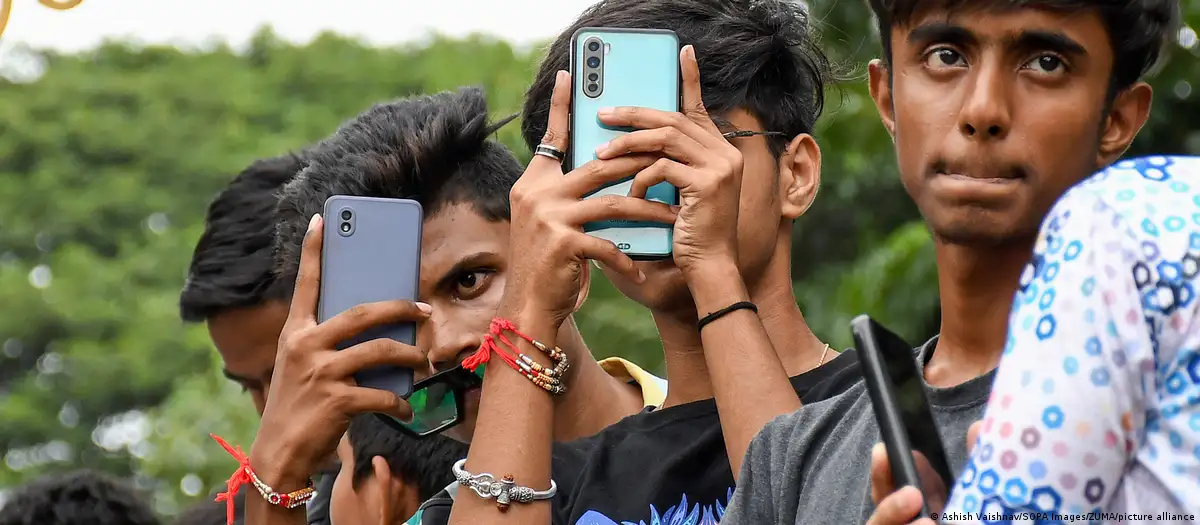
Despite these warnings, young Indians remain largely unconcerned about the proposed restrictions. Aarav Gupta, 15, in Delhi, said it would be “unfeasible” to implement, noting that friends use social media for everything from birthday plans to study sessions.
Fourteen-year-old Priya Khullar in Bhopal echoed the sentiment, stressing that social media is central to her daily life and cultural engagement.
Many teenagers also believe that workarounds like VPNs or fake birthdays would render any ban ineffective.
Experts suggest that broader solutions, such as regulating addictive platform design, restricting child profiling, and empowering independent regulators, may be more effective than outright bans.
Meanwhile, Indian authorities continue to debate the legal and technical complexities of implementing such measures, while teenagers across the country adapt to the evolving digital landscape with ingenuity.