‘Where conscience leads, law follows’; Al-Sumait stresses awareness of humanitarian law
Laws alone are not enough - they need minds that understand them and consciences that uphold them: Justice Minister Counselor Nasser Al-Sumait
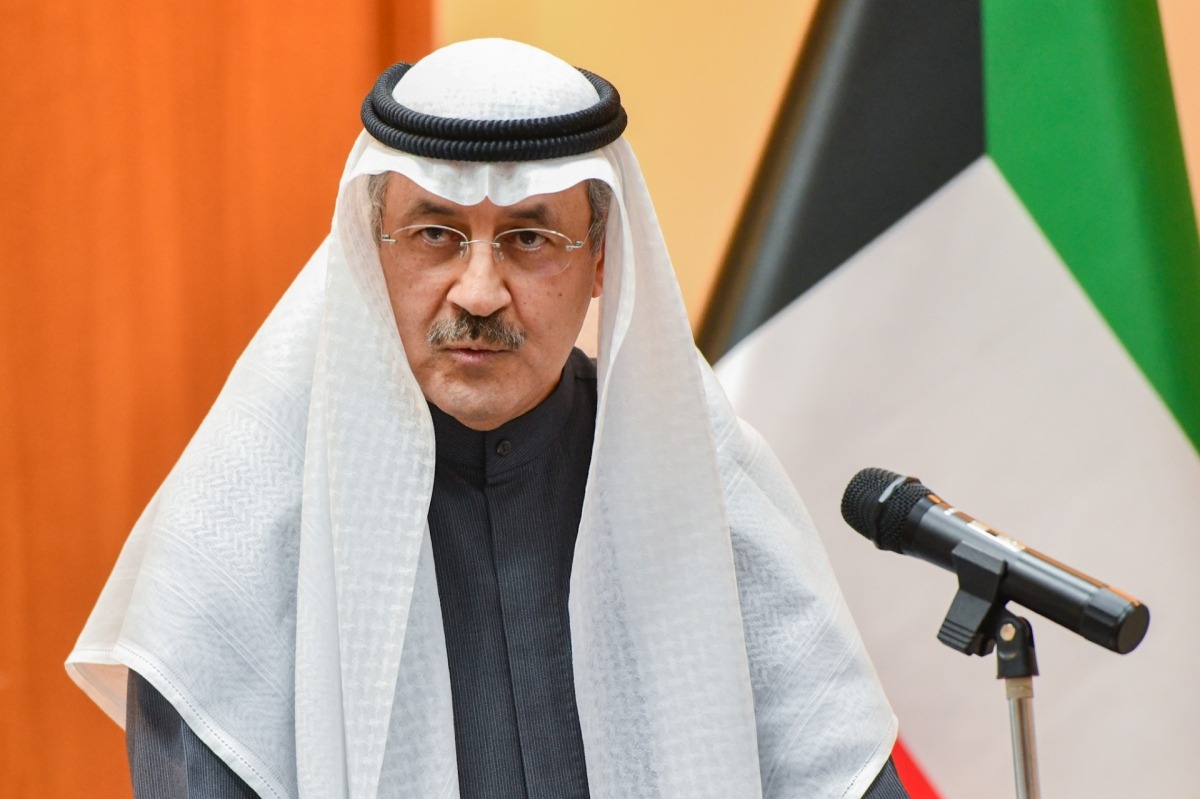
Minister of Justice, Chairman of the National Standing Committee for International Humanitarian Law, and Chairman of the Board of the Kuwait Institute for Judicial and Legal Studies, Counselor Nasser Al-Sumait, reaffirmed Kuwait’s commitment to building national capacities and deepening awareness of international humanitarian law (IHL), emphasizing that laws alone are not enough — they need minds that understand them and consciences that uphold them.
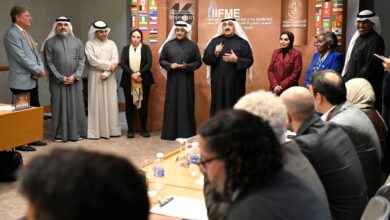
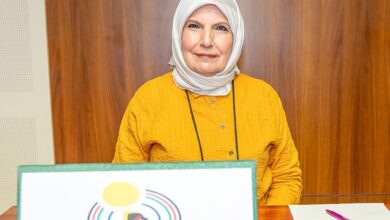
His remarks were delivered on his behalf by Acting Undersecretary of the Ministry of Justice, Awatif Al-Sanad, during the launch of a three-day specialized panel discussion on international humanitarian law.
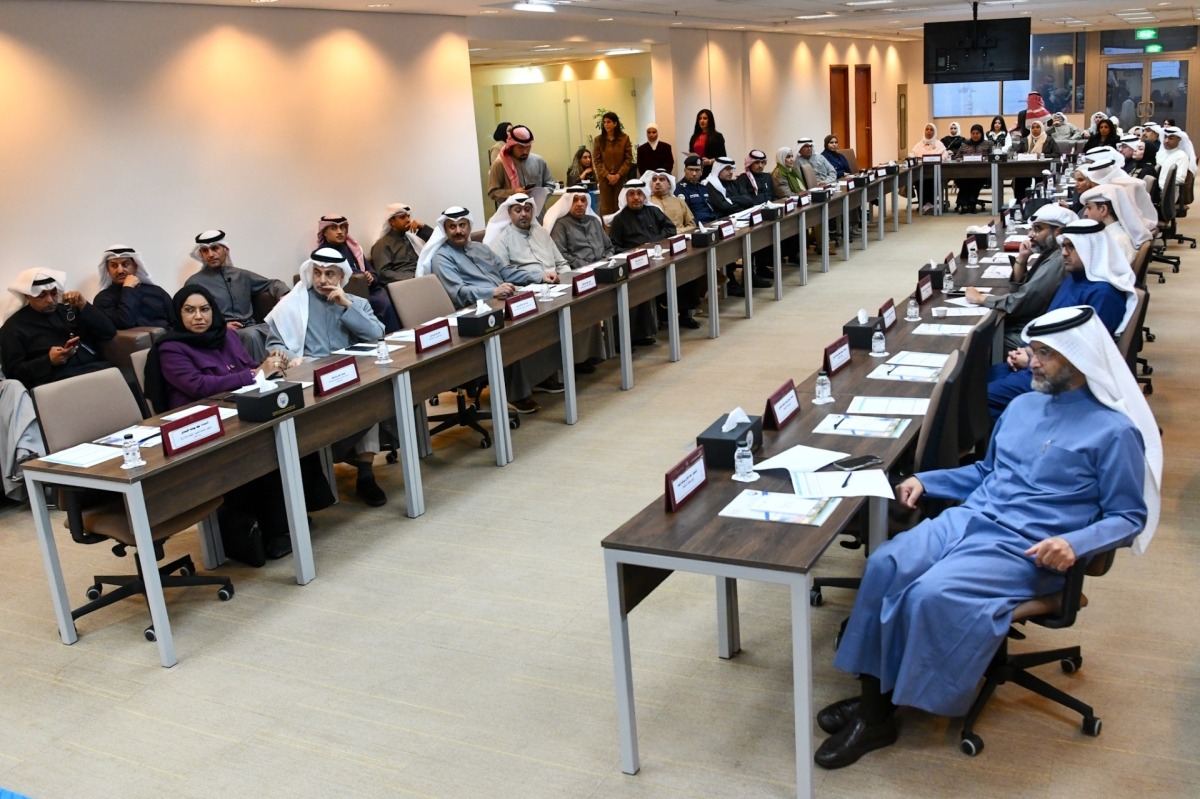
The event is organized by the Kuwait Institute for Judicial and Legal Studies in cooperation with the National Committee, and brings together leaders from executive and judicial government bodies.
Al-Sumait said the National Committee, in partnership with relevant institutions, works to strengthen compliance with IHL, in line with Kuwait’s obligations under the 1949 Geneva Conventions, their 1977 Additional Protocols, and other international legal instruments.
He explained that the Committee coordinates efforts among government entities, participates in national, regional and international forums, and contributes to drafting and reviewing relevant legislation.
He stressed that building national expertise through seminars, panel discussions, and training programs reflects Kuwait’s firm commitment to institutionalizing the principles of international law.
Addressing current global realities, Al-Sumait said the greatest challenge to international humanitarian law is not only the dominance of force over justice or the shortage of humanitarian aid amid growing conflicts and disasters, but the deeper issue of a decline in “living consciences” — people who believe in the law, understand its limits, yet still strive to respect and apply it.
For his part, Director of the Kuwait Institute for Judicial and Legal Studies, Counselor Bader Al-Musaed, said the panel discussion forms part of the Institute’s ongoing efforts to promote a culture of IHL and reinforce its role in protecting human dignity.
He noted that effective implementation of these rules depends on expanding legal awareness and integrating IHL into training programs for judges, prosecutors, legal researchers, civilians, and police officers.
Meanwhile, Mamadou Sow, Head of the Regional Delegation of the International Committee of the Red Cross (ICRC) in the GCC, described Kuwait as a model partner.
He praised its legislative efforts and longstanding cooperation with the ICRC, saying Kuwait plays a prominent role in amplifying humanitarian concerns and “giving a voice to the voiceless” in international forums.