Make hay while the sun shines; Kuwait to soon purchase solar power from homes
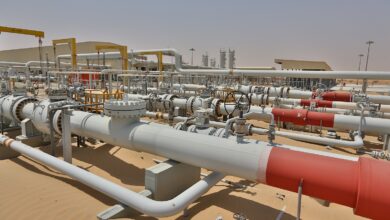
Kuwait remains committed to the global carbon transition, focusing on solar and wind energy alongside hydrogen fuel development
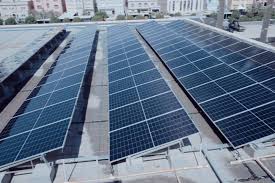
The Undersecretary of the Ministry of Electricity, Water and Renewable Energy, Adel Al-Zamil, announced that a decision will soon be issued allowing the government to purchase electricity generated by households.
The move aims to encourage citizens to install solar panels on rooftops, a step expected to reduce overall electricity consumption by at least 10 percent.
Al-Zamil said the initiative is part of broader efforts to support the private sector in meeting environmental commitments required by international financial institutions, often referred to as a company’s “green footprint.” He noted that the ministry is currently reviewing regional and international models that have successfully implemented similar systems, reports Al-Rai daily.
Speaking on the sidelines of an energy forum, Al-Zamil explained that the event falls within Kuwait’s long-term coordination efforts for the energy transition process extending to 2060, when the country aims to achieve carbon neutrality and net-zero emissions.
He stressed the importance of learning from global experiences to ensure the transition serves Kuwait’s interests, not only in the energy sector but also in reshaping the national economic model.
Kuwait’s strategy involves gradually reducing reliance on hydrocarbon sources such as oil and gas, while expanding renewable and low-emission energy sources, particularly solar power. He added that integration between conventional hydrocarbon energy and renewable sources will help lay the foundation for a green, low-emission hydrogen economy.
Regarding Kuwait Vision 2035, Al-Zamil said renewable energy is targeted to make up 15 percent of the country’s energy mix. The ministry is working toward this goal through several programs, most notably the Shagaya renewable energy project, which will be developed in four phases with a total planned capacity of 5 gigawatts.
He emphasized that Kuwait remains committed to the global carbon transition, focusing on solar and wind energy alongside hydrogen fuel development. Kuwait’s strong solar radiation levels and existing hydrocarbon resources, he said, give the country significant opportunities to play a key role in the future clean energy landscape.