- A ‘grave’ turning point for global security, the risk of nuclear weapons use is now higher than at any time in decades — UN Secretary-General Antonio Guterres
- Pope Leo XIV callsd for de-escalation, appealing for the preservation of arms control mechanisms and for follow-up efforts to ensure stability.
- Any future arms control framework must include China, argues that Beijing’s rapidly expanding nuclear arsenal cannot be excluded – US President Donald Trump
The final remaining nuclear arms control agreement between the United States and Russia has officially expired, removing the last formal limits on the world’s two largest nuclear arsenals and raising fears of a renewed global arms race.
The New Strategic Arms Reduction Treaty (New START) lapsed at midnight GMT on Thursday (7 p.m. EST Wednesday), according to the United Nations, with no deal in place to extend or replace it.
The treaty — signed in 2010 — capped both countries at 1,550 deployed strategic nuclear warheads and continued decades of bilateral efforts to limit nuclear weapons.
With its expiration, Washington and Moscow are no longer legally bound by upper limits on their strategic nuclear stockpiles for the first time in generations.
Russia said it would continue to act responsibly but cautioned it would take “decisive” measures if its security were threatened, according to the Foreign Ministry in Moscow.
The United States has not announced plans to voluntarily stick to the treaty’s limits beyond the deadline.
UN Secretary-General Antonio Guterres described the moment as a “grave” turning point for global security, warning that the risk of nuclear weapons use is now higher than at any time in decades. He urged both sides to return to negotiations without delay.
Pope Leo XIV also called for de-escalation, appealing for the preservation of arms control mechanisms and for follow-up efforts to ensure stability.
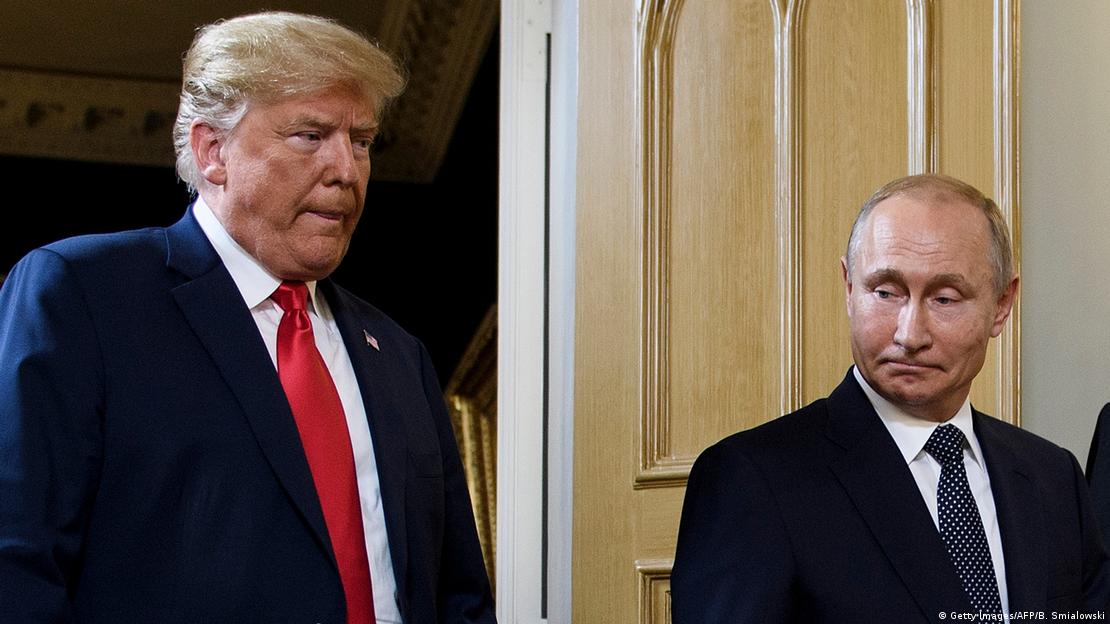
Russian President Vladimir Putin had previously suggested a one-year extension of the treaty. US President Donald Trump said in October that the idea “sounded like a good idea,” but no formal negotiations followed.
Trump has maintained that any future arms control framework must include China, arguing that Beijing’s rapidly expanding nuclear arsenal cannot be excluded.
China, however, has rejected joining such talks, and Moscow has said including Beijing is unnecessary.
In a recent video call with Chinese President Xi Jinping, Putin reaffirmed Russia’s commitment to acting in a “balanced and responsible manner” and said Moscow remains open to negotiations aimed at preserving strategic stability, according to the Kremlin.
US Secretary of State Marco Rubio said Trump would ultimately decide on the path forward, but stressed that meaningful arms control would be difficult without China’s participation.
Germany also weighed in, with Foreign Minister Johann Wadephul urging China to show restraint in weapons development and emphasizing that future agreements should involve Beijing.
New START was the last in a line of US-Russia agreements that, for decades, placed guardrails on nuclear competition between the two superpowers.
Its expiration marks a historic shift, leaving the global nuclear order without its most important bilateral constraint.
With no replacement treaty in sight, diplomats and security experts warn the world may be entering a more unstable nuclear era, where transparency declines, arsenals expand, and miscalculation risks rise sharply.