














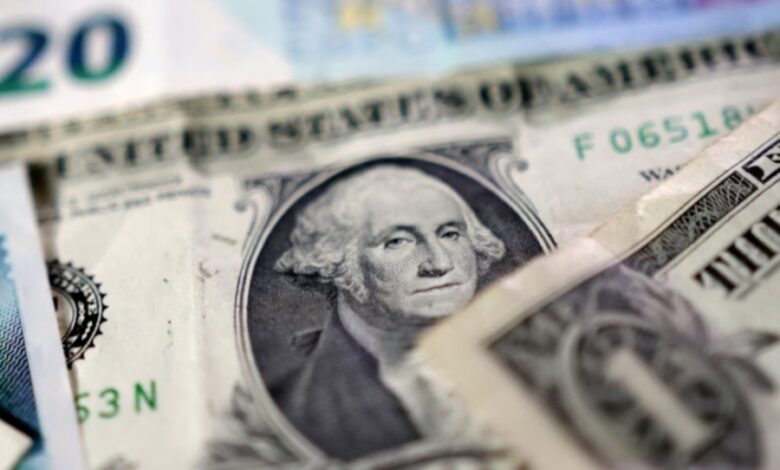
The U.S. dollar is on track to record its second consecutive weekly decline, pressured by rising global tensions that have dampened demand for American assets.
Market attention has centered on threats of new tariffs on nations that trade with Cuba following a White House announcement that President Donald Trump signed an executive order targeting countries supplying oil to the island.
The move has added to existing geopolitical strains involving Iran, Venezuela, Greenland and parts of Europe, contributing to risk-off sentiment in currency markets, according to news reports.
Reports that the U.S. administration is weighing possible military action against Iran have pushed oil prices higher and further weighed on the dollar. Investors reacted cautiously, seeking safe havens and rebalancing portfolios amid ongoing uncertainty.
In Washington, a tentative Senate agreement offered some relief by averting a partial government shutdown, though broader fiscal and foreign policy risks remain in focus.
Data from Tokyo showed inflation slowing, consistent with the Bank of Japan’s target, but this provided limited support for the dollar against major Asian currencies.
On Friday, the U.S. dollar index — which measures the greenback against a basket of major currencies — rose modestly by 0.2 percent to 96.35, trimming its weekly loss to about 1.1 percent.
Among individual currencies, the euro eased 0.2 percent to $1.1940, while the Japanese yen weakened to 153.39 per dollar. The British pound also slipped marginally against the U.S. currency.
Earlier in the week, the dollar briefly hit a four-year low, as markets questioned official U.S. policy. While Treasury officials later reiterated support for a strong dollar, tensions abroad and the specter of tariff-linked trade disruptions have kept pressure on the currency.