Experts warn excessive screen time threatens early childhood development
Virtual play, real risks affect young children’s brains; specialists urge limits to protect development
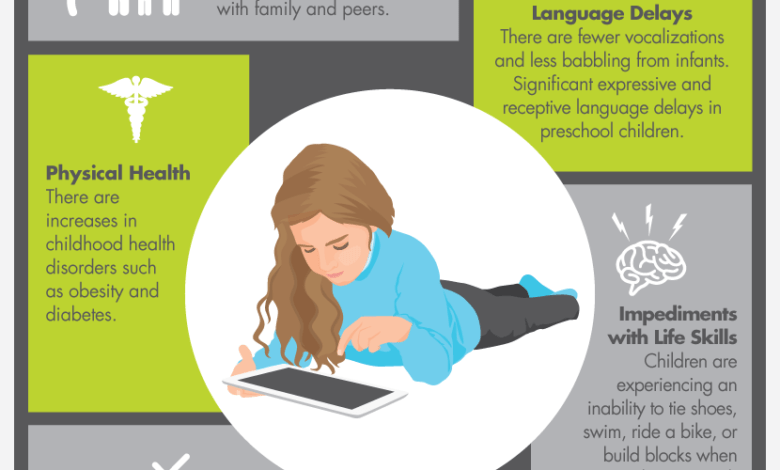
Pediatric and developmental psychology experts have raised concerns over excessive screen exposure among young children, particularly those under the age of three, warning that it not only weakens language and social skills but also deprives children of essential sensory, motor, and cognitive experiences that form the foundation of healthy development.
Specialists stress that replacing real-world play with virtual engagement denies the developing brain the rich and complex stimulation it needs. Recent studies link prolonged screen time in early childhood to speech delays, reduced attention and concentration, and difficulties in emotional regulation.
According to experts, the issue is not limited to the type of content viewed, but also the nature of the medium itself. While screens appear interactive, they are largely passive, limiting the development of “reciprocal interaction” — the back-and-forth social engagement through which children learn to read facial expressions, interpret tone of voice, and respond appropriately.
Researchers emphasize that the early years of life represent a critical period for brain development, when neural connections are formed at a rapid pace in response to real-world experiences.
Key areas affected include:
- Fine motor skills: Activities such as holding a physical book or stacking blocks activate important brain regions.
- Sensory development: Children learn by tasting, smelling, touching, and listening to their environment.
- Socio-emotional growth: Imaginative play with peers and adults helps children develop “theory of mind,” or the ability to understand that others have different thoughts and feelings.
- Problem-solving skills: Unstructured play allows children to face real challenges, encouraging patience, creativity, and resilience.
Despite these concerns, experts acknowledge that screens are now an unavoidable part of modern life. Rather than fostering parental guilt, they recommend practical strategies: setting firm time limits, choosing high-quality interactive content, co-viewing with children, and ensuring that screen-free time is filled with free play, reading, and direct social interaction.