MOH issues unified healthcare dress code
. . . to enhance safety, trust, and institutional identity
The Minister of Health, Dr. Ahmed Al-Awadhi, has issued a ministerial decision approving comprehensive regulations to standardize the general appearance, official attire, and professional dress code for employees in both the governmental and private health sectors.
The decision forms part of the broader effort to complete the institutional governance framework within the health sector and to enhance professional standards regulating the work environment.
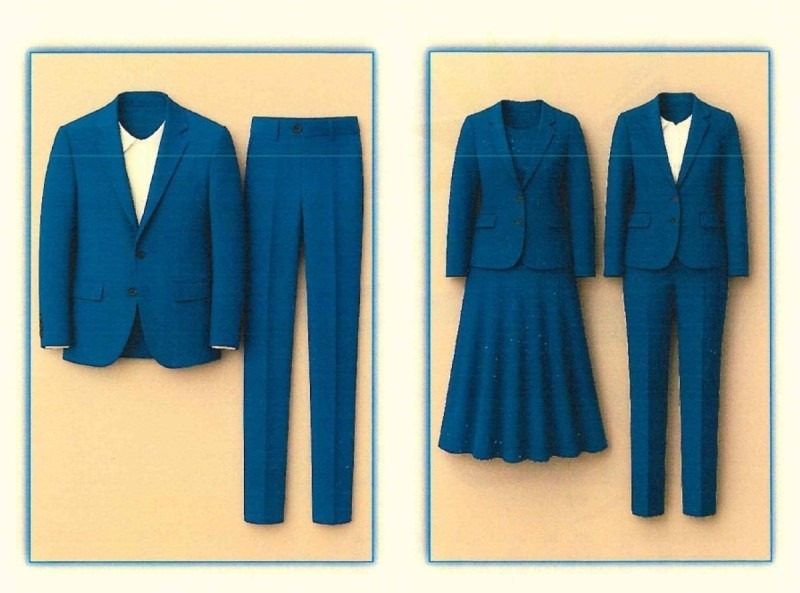
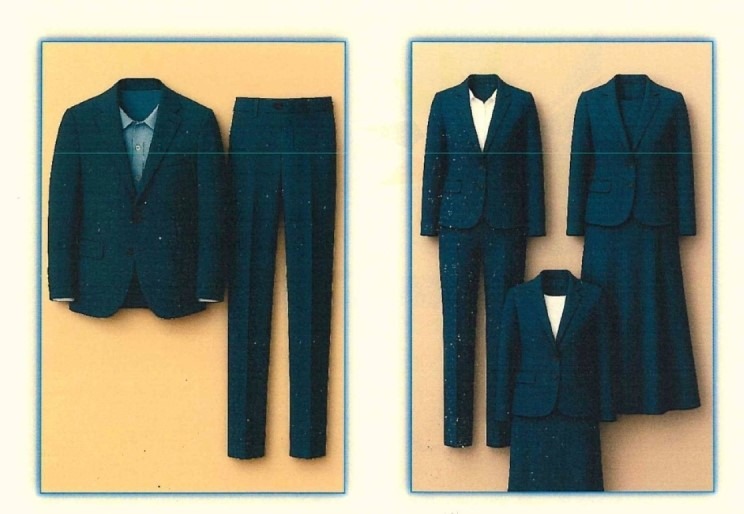
The regulations define clear guidelines for the appearance of administrative staff, as well as medical and nursing personnel of both genders, with the aim of promoting professionalism, discipline, and a unified institutional identity across healthcare facilities, reports Al-Rai daily.
General Appearance Standards
The decision sets out general and specific requirements for appearance within healthcare institutions, stressing the importance of personal hygiene and the avoidance of any odors that may disturb others or affect patients’ health.
This includes refraining from excessive use of perfumes, strong scents, and smoke-related odors. It also mandates that tattoos must be fully covered during official working hours and on-call shifts.
The dress code requires clothing to be appropriate to the nature of work, clean, tidy, modest, and respectful of public taste. Prohibited items include clothing bearing inappropriate slogans or advertisements, sportswear, shorts, garments above the knee, torn or punctured clothing, and athletic caps in all Ministry of Health facilities that provide direct services to patients and visitors.
Footwear must be formal, clean, and elegant, or sports shoes of a single color, free from bright colors and prominent logos.
Regulations for Healthcare Practitioners
Special regulations apply to medical, nursing, and clinical staff working in healthcare facilities:
Uniforms and Clothing — Healthcare practitioners must wear either formal attire or approved clinical uniforms, with or without a medical coat. The medical coat must be loose-fitting and knee-length. Wool jackets are permitted in blue or black, and the abaya may be worn with a medical coat. Wearing a dishdasha or jeans while providing direct patient care is prohibited.
Personal Grooming — Nails must be short and clean, and the use of artificial nails is strictly prohibited in all medical, clinical, therapeutic, rehabilitative, outpatient, operating, and intensive care areas. Hair must be clean, tidy, kept away from the face, and tied if it extends below the shoulders in patient-care environments. Grooming tools must be simple and of appropriate colors. Beards and mustaches for men must be neat and well-groomed.
Jewelry and Cosmetics — The wearing of excessive or inappropriate jewelry is prohibited. Only simple jewelry is permitted, limited to a wedding ring and small simple earrings in patient-care areas. Cosmetics must be used in a simple and unobtrusive manner consistent with professional standards and public taste.
Footwear in Clinical Settings — Shoes must be closed-toe, low-heeled, slip-resistant, and preferably waterproof and easy to clean. Open-toed footwear is prohibited in all clinical, medical, therapeutic, rehabilitative, outpatient, operating room, and intensive care environments.
Standardized Clinical Attire
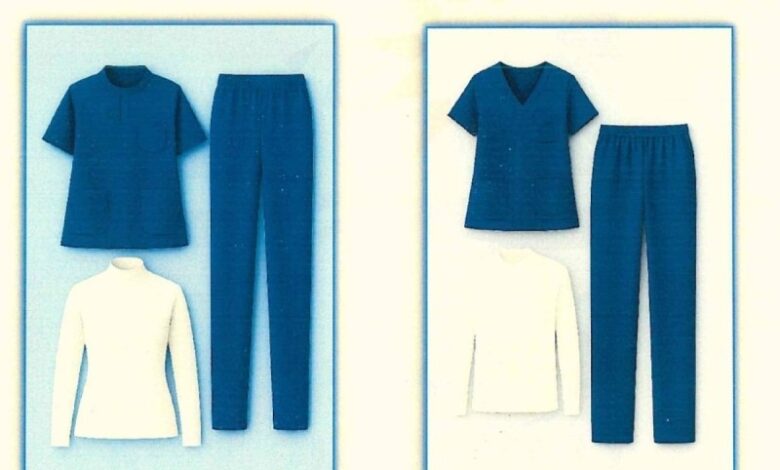
The decision also sets detailed specifications for male and female clinical uniforms, as well as Islamic women’s clinical attire, covering shirt length, sleeve design, collar style, pocket placement, stitching quality, fabric type, fit, durability, ease of cleaning, and freedom of movement during patient care. All attire must be modest, non-revealing, practical, and consistent with professional and cultural standards.
Strategic Objectives
The regulations aim to achieve six core objectives:
- Enhancing institutional identity through a unified professional appearance reflecting discipline and ethical commitment.
- Ensuring a safe and healthy work environment, supporting infection prevention and risk reduction.
- Strengthening patient and visitor trust through professional presentation and service quality.
- Promoting professional belonging and reinforcing teamwork among healthcare staff.
- Unifying dress and appearance standards across government and private health institutions.
- Establishing a clear regulatory framework for compliance, monitoring, and governance enforcement.
The decision represents a major step toward strengthening organizational discipline in the healthcare sector and reinforcing Kuwait’s commitment to high professional, ethical, and service standards in public and private medical institutions.