The Times Kuwait Report
Philip Morris International (PMI) is accelerating its global transformation toward a smoke-free future, driven by a central scientific conclusion: it is the smoke produced by burning tobacco, not nicotine itself, that causes the greatest harm to health.
When a conventional cigarette burns, combustion creates smoke containing thousands of chemicals, many of them toxic and carcinogenic. By eliminating combustion, exposure to these harmful substances can be significantly reduced. This scientific understanding has underpinned PMI’s development of smoke-free alternatives, including heated tobacco products such as IQOS, e-cigarettes, and oral nicotine products like ZYN.
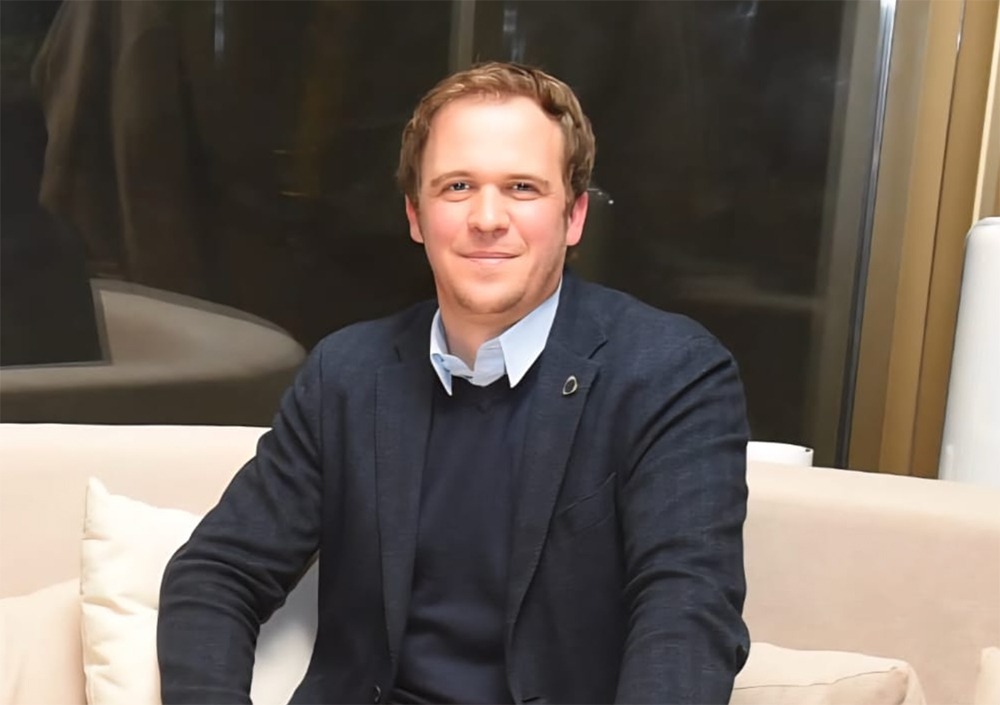
In a wide-ranging interview with The Times Kuwait, Ross Donovan, General Manager of Philip Morris Kuwait, said the company’s shift was rooted in years of research and scientific assessment. “These products do not burn tobacco and therefore do not generate smoke,” Donovan explained. “IQOS heats tobacco at a carefully controlled temperature, producing an aerosol with substantially lower levels of harmful chemicals compared to cigarette smoke.”
While emphasizing that smoke-free products are not risk-free, Donovan noted that scientific assessments show they can reduce exposure to harmful substances by up to 95 percent compared with continued smoking.
A Global Vision, a Personal Commitment
PMI’s decision to move away from cigarettes marked a defining change in the company’s direction. Donovan said the ambition is long-term and unequivocal. “The goal is to eventually see cigarettes in museums,” he said, describing a vision that has reshaped the company’s culture and attracted employees who wanted to be part of a meaningful transformation.
That shift is already visible in market performance. In several countries, IQOS has surpassed Marlboro long PMI’s flagship brand reflecting growing consumer acceptance of smoke-free alternatives and confidence in the user experience. Globally, more than one billion people continue to smoke, and public health experts do not expect that number to decline rapidly. While quitting entirely remains the best option, PMI’s message to adult smokers who do not quit is pragmatic.
“If you can’t quit, switch,” Donovan said.
The challenge, he explained, has been to develop alternatives that deliver nicotine, flavor, ritual, and satisfaction of key elements that keep people smoking while significantly reducing exposure to harmful chemicals. Smoke-free products are designed to address not only nicotine dependence, but also the behavioral and social aspects of smoking.
Progress and Potential
In Kuwait, smoking prevalence remains high, with an estimated one million smokers. Around 100,000 adults roughly 10 percent currently use smoke-free products such as IQOS and vapes. Donovan described this as encouraging progress, while noting that significant potential remains. “One of the biggest challenges is misinformation,” he said. “Many adult smokers are still unaware that smoke-free products are scientifically supported alternatives to continued smoking.”
Due to strict regulations, PMI’s engagement in Kuwait is limited exclusively to adult smokers, with robust age-verification measures. Awareness and trial opportunities are offered only in approved retail locations and selected adult-only venues.
Regional and Global Momentum
Kuwait’s experience mirrors a broader regional trend, with similar momentum seen in Saudi Arabia, the UAE, and Bahrain. Globally, PMI reports more than 41 million adult users of smoke-free products, positioning IQOS as the world’s leading heated tobacco system.
Donovan noted that PMI was the first major tobacco company to publicly commit to a smoke-free future, a move that has since influenced competitors to develop their own alternatives.
“This is positive,” he said. “Broader adoption of better alternatives can have a meaningful impact on public health.”
Technology, Manufacturing, and Quality
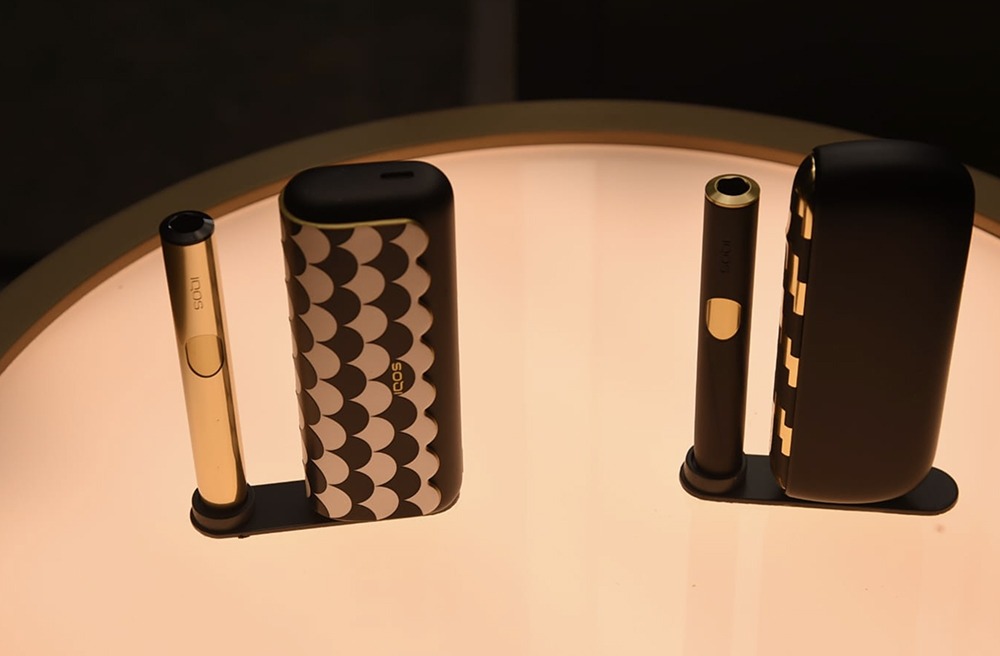
IQOS combines a specially designed tobacco stick with a precision-engineered heating device. The tobacco is heated to a specific “sweet spot” temperature that avoids combustion—a result of more than USD 14 billion invested in research and development.
The consumables are manufactured in multiple facilities worldwide, including in Italy, all operating to identical standards with the same blends, machinery, and quality controls.
Who Is Switching
In Kuwait, IQOS adoption is most prominent among adults aged 30 to 39. Donovan said this often coincides with greater health awareness and changing priorities. “Many people start reconsidering their habits when they think about long-term wellbeing for themselves and for their families,” he said.
Regulation and Air Quality
Because IQOS does not produce smoke, it does not significantly affect indoor air quality and does not generate meaningful second-hand exposure. Several European countries have recognized this distinction, allowing IQOS use in certain smoke-free environments where cigarettes remain banned.
In Kuwait, however, IQOS is currently regulated in the same way as cigarettes: it is permitted where smoking is allowed and prohibited where smoking is banned.
Donovan said future regulatory differentiation may emerge as scientific evidence continues to be reviewed, adding that informed regulation plays a critical role in enabling adult smokers to make better choices. As PMI continues its smoke-free journey, the company maintains that providing accurate information and viable alternatives remains essential to reducing the harm caused by smoking in Kuwait and beyond.