Trump threatens tariffs as Greenland row deepens and Europe moves to defend Danish territory
As European forces continue to arrive and diplomatic efforts intensify, Greenland remains at the center of a widening transatlantic dispute. What began as a controversial proposal has evolved into a broader struggle over Arctic security, alliances and the balance of power, with implications that extend well beyond the icy shores of the world’s largest island.
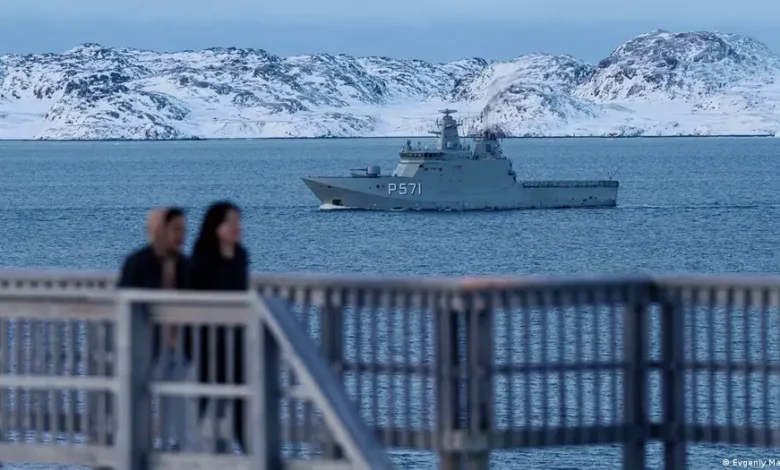
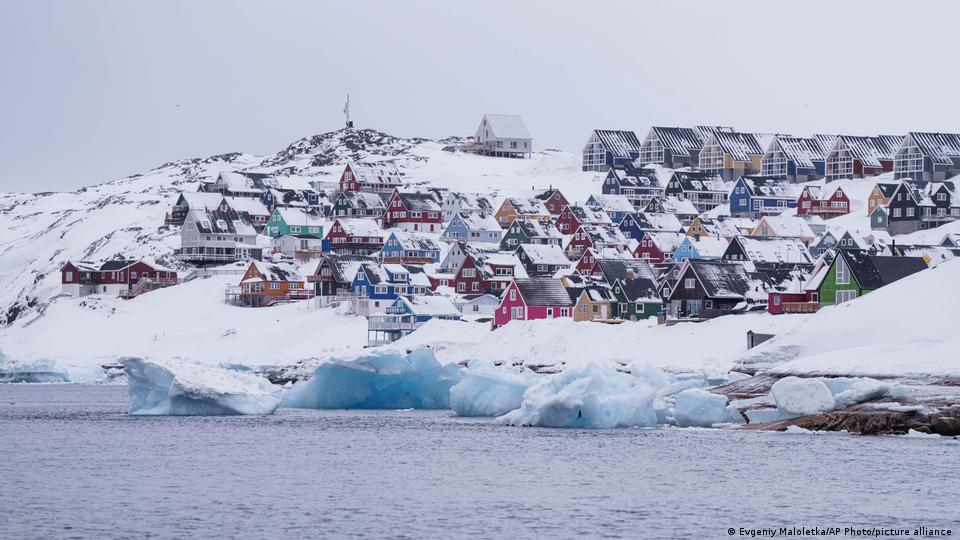
Greenland has emerged as a major flashpoint in global geopolitics after US President Donald Trump escalated his long-standing demand for American control of the Arctic Island, warning that he could impose tariffs on countries that oppose his goal.
The self-governing territory, which is part of the Kingdom of Denmark, has become central to growing tensions between Washington and its European allies over security, sovereignty and influence in the Arctic, dw.com reports.
Speaking at a domestic event in the United States, Trump said he may use trade measures to pressure governments that “don’t go along with Greenland,” arguing that US control of the island is necessary for national security.
While Trump has repeatedly insisted for months that Greenland should come under US control, this marks the first time he has openly suggested using tariffs as leverage to force the issue.
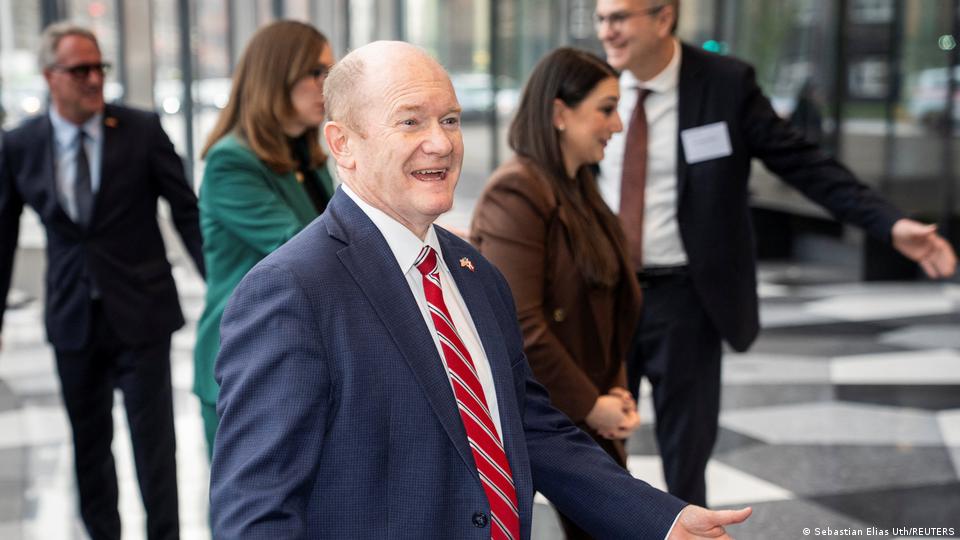
The remarks have further strained relations with Denmark, a longstanding NATO ally, and triggered diplomatic efforts to de-escalate the situation. A bipartisan delegation of 11 US senators and lawmakers, led by Democratic Senator Chris Coons, traveled to Copenhagen to reassure Danish and Greenlandic leaders and counter the president’s rhetoric.
The delegation met Danish Prime Minister Mette Frederiksen and Greenland’s leader Jens-Frederik Nielsen, stressing that Trump’s statements do not reflect the views of most Americans.
Coons said the visit aimed to “lower the temperature,” noting that the heated rhetoric in Washington was not matched by political reality. Senator Dick Durbin echoed that message, emphasizing bipartisan solidarity with Denmark and Greenland, which he described as close US allies for decades. A recent Reuters/Ipsos poll underscored the disconnect, showing that only 17% of Americans support Trump’s push to acquire Greenland.
Despite the diplomatic outreach, Trump has continued to argue that only the United States can guarantee Greenland’s security, citing perceived threats from Russia and China in the Arctic.
In response to the renewed pressure, several European NATO members have begun deploying troops to Greenland as part of Danish-led reconnaissance and security missions, aimed at assessing NATO’s ability to defend the Arctic region.
Germany has confirmed the arrival of a small Bundeswehr reconnaissance unit in Greenland, joining personnel from Norway, Sweden, Finland, the United Kingdom, France and the Netherlands.
The mission includes logistics and maritime experts and is examining potential future deployments, such as frigates, maritime patrol aircraft and Eurofighter jets. Denmark has also announced plans to increase its own military presence on the island.
European leaders have described the deployments as a show of solidarity with Denmark and a contribution to NATO’s Arctic strategy, though the moves have drawn mixed reactions. Italian Defense Minister Guido Crosetto dismissed the European military presence as symbolic and mocked the small size of the deployments; while reaffirming that NATO and the United Nations should remain the main frameworks for international security.
Washington, meanwhile, has downplayed the significance of the European troop presence. White House press secretary Karoline Leavitt said the deployments would not affect Trump’s decision-making or his goal of acquiring Greenland.
US officials have also sought to soften fears of military escalation. Retired US General Ben Hodges said an American invasion of Greenland was highly unlikely, warning that such a move would be a catastrophic “own goal” for the United States, even as he acknowledged that Trump’s intentions should be taken seriously.
Adding to the uncertainty, US special envoy to Greenland Jeff Landry said he plans to visit the island in March and expressed confidence that a deal could eventually be reached. He said Trump had made his demands clear and suggested that further negotiations could involve senior US officials, including the secretary of state and vice president.
The dispute has spilled beyond defense and diplomacy into sports and public debate. In Germany, a senior politician suggested that a boycott of the 2026 FIFA World Cup in the US, Canada and Mexico could be considered as a last resort to pressure Trump over Greenland, highlighting how far-reaching the political fallout has become.
As European forces continue to arrive and diplomatic efforts intensify, Greenland remains at the center of a widening transatlantic dispute. What began as a controversial proposal has evolved into a broader struggle over Arctic security, alliances and the balance of power, with implications that extend well beyond the icy shores of the world’s largest island.