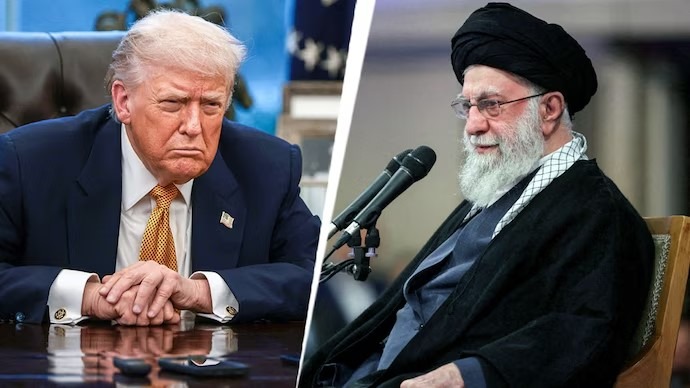
A rapid sequence of emergency moves by the United States and Iran has intensified speculation that a military strike on Tehran could be imminent, as both sides signal heightened readiness amid escalating unrest inside the Islamic Republic.
The United States has quietly withdrawn personnel from key military installations in the region, including the Al Udeid air base in Qatar, the largest American facility in the Middle East and home to around 10,000 troops, India Today reports.
Qatari authorities confirmed that the drawdown was undertaken in response to growing regional tensions. The US Embassy in Kuwait has also instructed its staff to temporarily suspend visits to several military bases in the country.
These steps came as Iran issued a stark warning to neighboring states hosting American forces, threatening to target US installations if Washington launches an attack on Iranian territory.
The warning follows repeated threats by President Donald Trump amid reports of intensified crackdowns on anti-government protesters.
Adding to the tension, Iran briefly closed its airspace, issuing a Notice to Airmen that halted most flights except a limited number of approved international services. Flight-tracking data showed skies over Iran and neighboring Iraq rapidly emptying before the order took effect. The closure was later extended as the situation remained volatile.
A Western military official told Reuters that the developments suggest an American strike could be imminent, while cautioning that the Trump administration often uses such maneuvers as part of a strategy of unpredictability.
European officials, cited by Reuters, said a US intervention could take place within the next 24 hours, though no official confirmation has been issued.
Speaking from the Oval Office shortly before Iran closed its airspace, President Trump said he had received information indicating that killings linked to the crackdown on protests were slowing.
He struck a cautious tone, suggesting that Washington would monitor developments and assess Iran’s actions before taking further steps. He added that his administration had received what he described as a “very good statement” from Tehran, without elaborating.
According to reports citing US officials, President Trump has instructed his national security team that any military action must be swift and decisive, and must avoid becoming a prolonged conflict.
Advisers, however, remain divided over whether a strike would weaken the Iranian leadership or provoke a powerful retaliation. There are also concerns about whether the United States has sufficient assets in the region to counter an expected Iranian response.
The standoff unfolds against the backdrop of mass protests that have rocked Iran since late December, driven by economic hardship, political repression and widespread public anger.
The US-based Human Rights Activists News Agency reports that more than 2,600 people have been killed in the crackdown, with other estimates placing the toll above 3,000, making it one of the deadliest episodes of unrest since the 1979 revolution. Activists have warned that executions of detainees could be imminent as the authorities tighten their grip.
With troop movements, airspace closures and mutual threats converging, the region remains on high alert, and the prospect of direct confrontation between Washington and Tehran has rarely appeared so close.