













377 temporary trade fair licenses issued in 10 months, highest in eight years
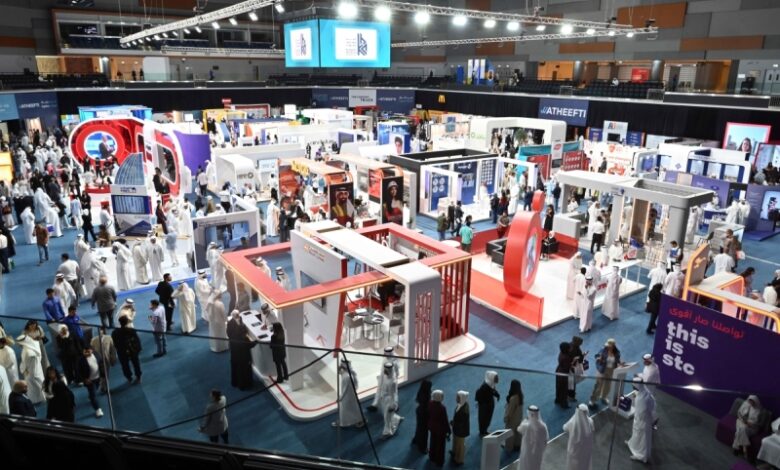
The Ministry of Commerce and Industry issued 377 new licenses for temporary trade fairs during the first 10 months of 2025, marking a growth of 21.2 percent compared with the same period last year and an increase of 66 licenses from the 311 issued in 2024.
The figures underscore the continued recovery of the exhibition sector and its return to strong activity levels.
According to ministry data, the licenses included 347 permits for temporary trade fairs and 30 for gold and jewelry exhibitions. January recorded the highest number of licenses at 79, followed by 61 in February and 33 in March.
The figure declined to 18 in April before edging up to 21 in May and remaining at the same level in June. Licenses stood at 18 in July, rose to 29 in August, dipped slightly to 28 in September, and then surged to 69 in October.
The significance of this growth lies in the fact that the number of licensed exhibitions during the first 10 months of 2025 represents the highest level in eight years.
The ministry issued 101 licenses in 2018, which fell by 5.9 percent to 95 in 2019. Exhibition activity then came to a complete halt from February 26, 2020 until the end of 2021 as part of precautionary measures to address the repercussions of the Covid-19 pandemic.
With the gradual return of economic activity, the exhibition industry has staged a clear recovery over the past three years. The Ministry of Commerce approved 159 exhibitions in 2022, followed by 311 exhibitions in 2023, and a sharp rise to 443 exhibitions in 2024.
Local exhibitions span a wide range of sectors, including real estate, services, finance, consumer goods, automobiles and others.
Exhibitions held since the beginning of 2025 have recorded strong attendance and notable purchasing activity, despite recent economic challenges, reflecting the resilience of local demand and the sustainability of purchasing power, particularly during social occasions and seasonal periods.
Despite the rapid growth in both the number of exhibitions and visitor turnout over the past three years, experts stress that the sector requires a clear development strategy to compete with the strong momentum seen in neighboring countries.
They emphasize the need to prepare for attracting major international exhibitions by investing in advanced infrastructure and specialized venues.
Experts also highlight the importance of an integrated approach that includes expanding airport capacity, developing road and transport networks, increasing hotel capacity, and streamlining administrative and procedural requirements for organizing exhibitions.
Such measures, they say, would enhance Kuwait’s position as a regional hub for exhibitions and conferences.