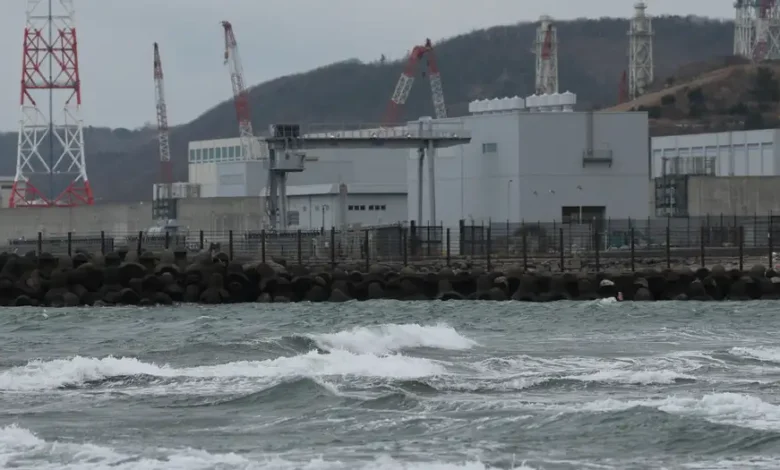
Japan has taken a major step toward reviving nuclear power generation as lawmakers in Niigata Prefecture approved the restart of the Kashiwazaki-Kariwa nuclear power plant, the world’s largest, despite strong public opposition and lingering safety concerns linked to past disasters.
The prefectural assembly voted on Monday to allow Tokyo Electric Power Company (TEPCO) to resume operations at the coastal plant, located about 220 kilometers northwest of Tokyo. TEPCO said it plans to restart one of the facility’s seven reactors as early as January 20, marking the first nuclear restart by the utility since the 2011 Fukushima Daiichi disaster.
Japan shut down all 54 of its nuclear reactors following the Fukushima accident, triggered by a powerful earthquake and tsunami that caused meltdowns in three reactors and widespread radioactive contamination. Since then, 14 of the country’s 33 operable reactors have been restarted, while 21 older units are being decommissioned. Kashiwazaki-Kariwa will be the first TEPCO-operated plant to return to service, dw.com reports.
TEPCO insists it has “learned the lessons of Fukushima,” citing extensive safety upgrades including reinforced sea walls, watertight doors, enhanced filtration systems and expanded emergency response capabilities. However, critics warn that Japan’s high seismic risk makes nuclear power inherently dangerous, particularly at Kashiwazaki-Kariwa, which has previously been damaged by earthquakes.
Opponents point to a prefectural survey showing that 60% of local residents believe conditions are not suitable for restarting the plant. Environmental groups and safety advocates say distrust of TEPCO remains deep, fueled by past cover-ups and unresolved technical issues, including reported problems with control rods and concerns over evacuation plans during heavy snowfall.
Despite the controversy, the restart aligns with the government’s broader energy strategy. Before Fukushima, nuclear power supplied around 30% of Japan’s electricity. Today, fossil fuels — mainly coal and gas — account for nearly 70% of energy generation. Prime Minister Sanae Takaichi has strongly backed nuclear restarts to curb fuel imports and meet climate commitments, with a goal of raising nuclear’s share to 20% by 2040.
For TEPCO, the Kashiwazaki-Kariwa restart is financially critical. The company estimates annual earnings of about 100 billion yen (€545 million), much of which would be used to fund the long-term decommissioning of Fukushima and environmental cleanup efforts.
While resistance remains strong, some local residents view the plant as an economic necessity, providing jobs in regions with limited employment options. Analysts say the assembly’s approval may signal a gradual shift in public attitudes nearly 15 years after Fukushima, even as experts continue to warn that seismic risks and evacuation shortcomings remain unresolved.