IOM calls for global solidarity as world marks International Migrants Day
To mark International Migrants Day, IOM has invited individuals, communities and business leaders worldwide to share their personal migration stories using the hashtag #MyGreatStory, encouraging a global conversation on how migration shapes cultures, economies and development.
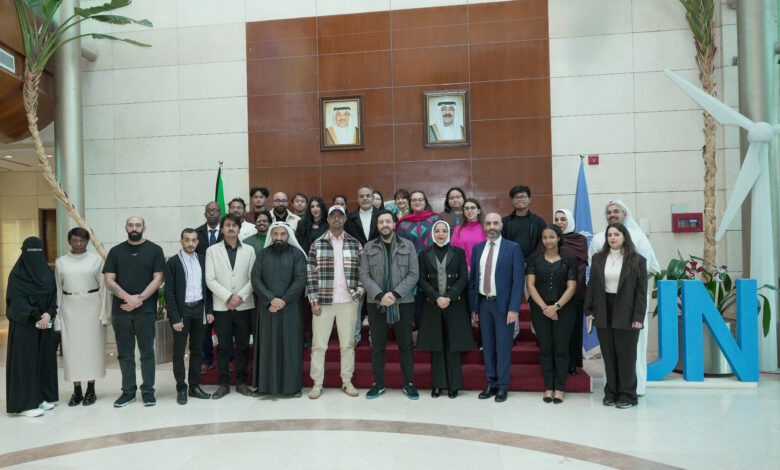
As the world marked International Migrants Day (IMD) on December18, the International Organization for Migration (IOM) renewed its call for stronger global solidarity and more inclusive migration systems that protect people on the move while supporting the communities that host them.
Observed annually on December18, International Migrants Day highlights the contributions of migrants worldwide and underscores the importance of safeguarding their rights and dignity.
This year’s commemoration is held under the theme “My Great Story: Cultures and Development,” emphasizing the role of human mobility in enriching societies, driving economic growth and strengthening connections across borders.
IOM Director General Amy Pope said migration remains a powerful story of courage, opportunity and shared progress. “Migration is woven into the lives of families and communities everywhere.
“It is a story of courage, determination, and the ties that bind us across borders,” she said. “Today, we honor those who set out in search of safety and opportunity and call for global solidarity in shaping fair and inclusive systems that protect them. When migration is managed with dignity and purpose, it benefits everyone.”
According to IOM estimates, around 304 million people, nearly four per cent of the global population, currently live outside their country of birth. This number has continued to rise as people move in search of employment, education, safety and family reunification.
When supported by effective systems, IOM says, migration can unlock significant development gains for both countries of origin and destination.
Migrants play a vital role in host communities, contributing skills, innovation and entrepreneurship that strengthen local economies. Labor migrants support essential sectors such as healthcare, construction, agriculture and technology, particularly in countries facing aging populations and workforce shortages.
Their economic impact extends well beyond host countries. In 2024, migrants sent an estimated USD 905 billion in international remittances, primarily to low- and middle-income countries. These funds help millions of families meet basic needs such as food, education and healthcare, and in many cases exceed the value of foreign aid and investment flows.
Beyond economics, migrants enrich societies culturally and socially by fostering exchange, building networks and introducing new ideas that stimulate innovation and community development.
However, IOM warned that migration is increasingly shaped by conflict, violence, climate-related disasters and other emergencies. By the end of 2024, an estimated 83.4 million people were internally displaced worldwide, as crises continued to push communities beyond their coping capacity.
While most migration occurs safely and through regular channels, many migrants still face serious risks, particularly where legal pathways are limited.
Those forced to flee suddenly often resort to irregular routes, exposing them to exploitation and life-threatening journeys. The Mediterranean Sea remains one of the world’s deadliest migration corridors, with more than 33,000 recorded deaths since 2014.
IOM stressed that although every migrant’s journey is unique, the need for safety and dignity is universal. Strengthening migration governance and protection systems, the organization said, is essential to safeguarding human rights and maximizing the social and economic benefits of mobility.
Looking ahead, IOM’s 2026 Global Appeal aims to support 41 million people on the move and reinforce systems that make migration safe, orderly and regular.
To mark International Migrants Day, IOM has invited individuals, communities and business leaders worldwide to share their personal migration stories using the hashtag #MyGreatStory, encouraging a global conversation on how migration shapes cultures, economies and development.