GCC Summit 2025: Harvesting results, envisioning a shared future
Leaders reinforce indivisible Gulf security, drive forward economic integration, and open new horizons for regional cooperation.

By Sheikha Suhaila Fahad Al-Sabah
Managing Editor
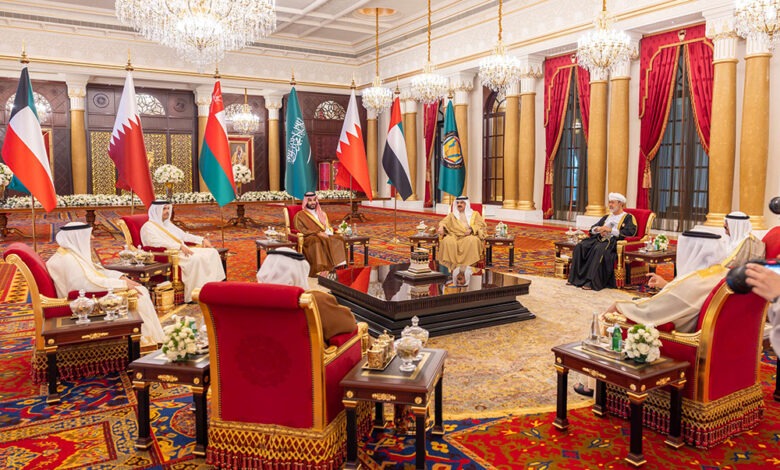
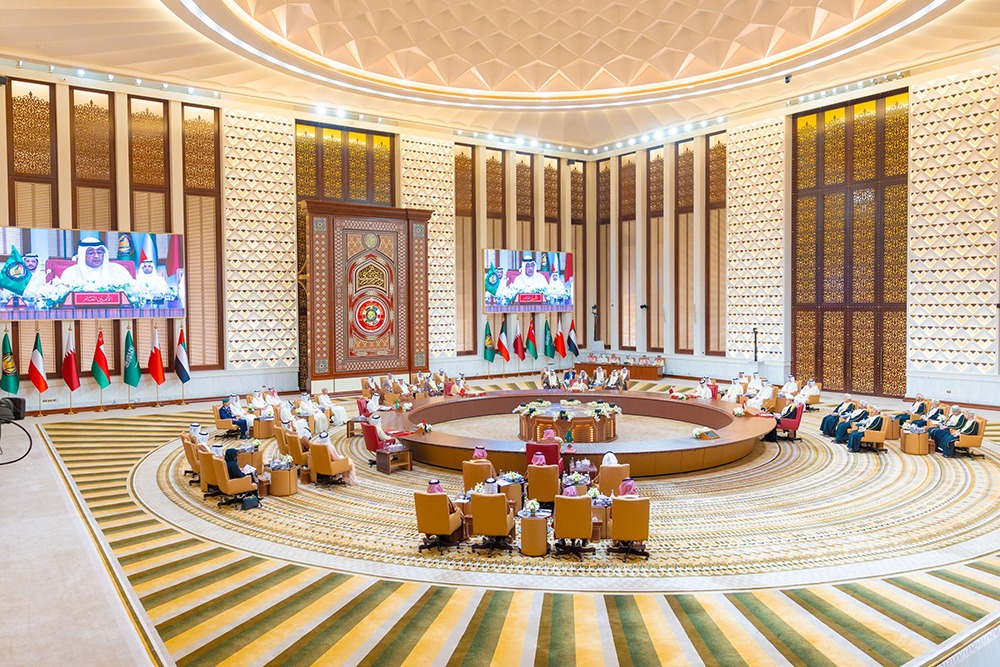
The Bahraini capital, Manama, hosted the 46th Gulf Cooperation Council (GCC) Summit at a critical juncture, as the region is undergoing rapid political and economic transformations. The leaders of the GCC member states emerged from their meeting with a set of practical decisions that solidify the path of Gulf integration and open up broad horizons for the citizens of the member states in the areas of economy, development, and security. They affirmed the Council’s ability to overcome regional and international challenges through the wisdom of its leaders and the unity of its member states.
The summit’s deliberations conveyed clear and direct messages: the security of the GCC states is indivisible, and any threat targeting one member state is a direct threat to all other member states. All official positions reiterated their condemnation of any aggression against Qatar, emphasizing that Gulf security is a single, indivisible entity. The strong commitment to completing the defense and security systems, unifying efforts and legislation, and setting binding timetables to implement King Salman’s vision to enhance joint Gulf action was highlighted, in a step that reflects a serious political will to move from the stage of cooperation to a more advanced stage towards actual union.
This approach aligns with the leaders’ commitment to consolidating the principles of joint deterrence and enhancing early response capabilities to any cross-border threats. This will be achieved through developing command and control centers, integrating early warning systems, improving military readiness, and expanding the scope of joint exercises.
Member states also agreed to elevate the level of security information exchange, update operational procedures among relevant agencies, and unify policies for protecting borders, seaports, and airspace. This will ensure better protection of vital installations, secure energy and trade routes, and establish a stable environment that supports economic development and strengthens the confidence of Gulf citizens in the Council’s ability to safeguard their security and future.
The spirit of Gulf partnership was reflected in a package of economic decisions that directly impact citizens’ lives. The launch of the customs data exchange platform was approved for the second half of 2026, along with directives to relevant authorities to finalize the requirements for the Customs Union and develop an urgent implementation plan.
Furthermore, unified rules for owners of jointly owned properties were adopted, facilitating investment and residential relocation for citizens within the GCC countries. The leaders also approved the activation of the general agreement for the Gulf Railway project, which will connect capitals and major cities, improve transport efficiency, reduce trade costs, and boost employment opportunities.
Further steps toward integration included the approval of the establishment of a Gulf Civil Aviation Authority, headquartered in the United Arab Emirates, and the launch of a unified industrial platform, paving the way for a new era of industrial competitiveness and shared supply chains. The summit welcomed the establishment of the ‘Made in the Gulf’ forum and exhibition in October 2026, to highlight national industrial capabilities, support existing industries, encourage joint industrial investments, and promote work on skills development and technology localization.
In the energy sector, the countries agreed to continue working under the umbrella of the ‘Green Middle East’ initiative, enhance the stability of global energy markets, and adopt a balanced approach that does not exclude any energy source. The leaders also affirmed their commitment to implementing the concept of a circular carbon economy, developing carbon capture technologies, clean hydrogen, and renewable energy, in a progressive Gulf direction towards a low-emission economy and long-term sustainable development.
The leaders emphasized the need to unify environmental and legislative standards within the GCC countries and facilitate the exchange of expertise and joint projects. This would attract high-quality investments and bolster the global competitiveness of Gulf economies. With the expansion of regional and international cooperation, the GCC countries appear poised for a new phase where sustainability intersects with growth, and where the energy system is being reshaped to serve the interests of citizens and solidify the Gulf’s position as a reliable global hub for energy and modern technologies.
The international dimension of the summit was highlighted by the welcoming of Italian Prime Minister Giorgia Meloni, who announced her country’s intention to host a summit on ‘GCC-MED’, with the aim of launching a new framework for dialogue between the Gulf States and the Mediterranean countries, in a move that reflects the expansion of the Council’s global partnerships.
This international openness was in line with the Gulf’s orientation towards building broader networks of economic and technical cooperation, as member states emphasized the importance of investing in partnerships with Europe and Asia to enhance energy transition and expand innovation capabilities, particularly in the areas of hydrogen, artificial intelligence and smart infrastructure.
The election of the Kingdom of Bahrain as a non-permanent member of the UN Security Council for the 2026-2027 term affirms the advanced international standing of the Gulf states and their ability to contribute to shaping influential international decisions. In the context of bilateral relations, the Kuwaiti delegation reiterated the country’s commitment to continuing to work with Iraq to finalize the demarcation of maritime borders in accordance with international law, which enhances regional stability and contributes to protecting shared economic interests.
The summit also commended the successes achieved by ministerial and parliamentary councils, judicial and legal initiatives, efforts to combat corruption and human trafficking, and the strengthening of legislative cooperation in all GCC countries. Despite the complex international circumstances that the region has gone through in recent years, the Council has shown a clear ability to overcome challenges thanks to the awareness of its members and the cohesion of its political and economic entity, which has given the summit additional momentum to complete integration systems, unify positions, and build more comprehensive cooperation paths.
The final statement came to express a more mature stage in Gulf cooperation, combining the strengthening of common security, the expansion of economic activity, and raising the level of institutional cooperation between member states, leading to deeper integration and a more stable future.
The 46th Gulf Cooperation Council (GCC) Summit concluded with tangible results, launching a new path for joint Gulf action based on the aspirations of citizens for a prosperous economic future, stable security, and effective institutional cooperation.
Between decisions on economic integration, developing the legislative framework, strengthening collective security, and solidifying international relations, the Gulf states appear closer today to achieving a cohesive regional model that prioritizes the well-being of its citizens and shapes a more powerful and influential Gulf era on the international stagE.