- GCC Railroad Project: The six-member states are building a major rail network, set to be operational by 2030, to boost inter-GCC trade, create jobs, support domestic industries, and carry millions of passengers.
- Economic Diversification: Non-oil sectors contributed 76% of the GCC’s GDP in 2024, driven by tourism, logistics, technology, renewable energy, and manufacturing, while the bloc continues reforms to reduce reliance on oil.
- Renewable Energy Leadership: GCC countries are investing in large-scale solar, wind, and hydrogen projects, such as the Mohammed bin Rashid Solar Park and Saudi Arabia’s NEOM clean energy initiative, advancing sustainable and clean energy goals.
- Youth Empowerment and Human Development: GCC nations focus on empowering youth, enhancing productivity, entrepreneurship, innovation, and social stability, while expanding health, education, and social protection programs.
- Sustainable Development and Global Integration: The GCC has made strong progress toward UN Sustainable Development Goals (SDGs), improving energy efficiency, clean energy, innovation, education, and international trade through FTAs and global economic partnerships.
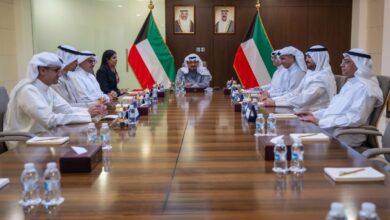
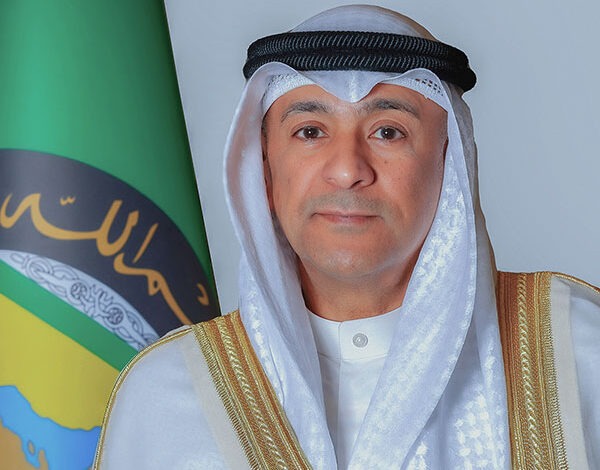
The Gulf Cooperation Council (GCC) countries are advancing on multiple fronts to strengthen their economies, enhance regional connectivity, attract foreign investments, and create job opportunities for citizens, the bloc’s Secretary-General, Jassem Al-Budaiwi, said.
Speaking to the Kuwait News Agency (KUNA), Al-Budaiwi highlighted the ambitious GCC railroad project, which will connect the six member states. “The railroad is one of the major joint Gulf projects and has been progressing at different levels,” he said, noting that countries like the UAE and Saudi Arabia have completed tracks within their territories while others are finalizing technical procedures.
Scheduled to be operational by December 2030, the rail network is expected to facilitate inter-GCC trade, support domestic industries, attract private investment, and reduce highway maintenance costs. Al-Budaiwi added that the service is projected to carry around six million passengers by 2030 and eight million by 2045, complementing the GCC’s significant tourism investments.
Al-Budaiwi also explained the “one-stop” travel system, which will allow Gulf nationals to move between member states without stopping at immigration checkpoints. Using facial recognition cameras and dedicated lanes, passengers can collect their luggage immediately, reducing congestion and waiting times while improving the overall travel experience.
On economic diversification, Al-Budaiwi stressed the GCC’s progress toward reducing reliance on oil through ambitious visions and extensive reforms. In 2024, non-oil sectors contributed 76 percent of the GCC’s GDP, equivalent to USD 1.7 trillion, driven by growth in tourism, logistics, technology, renewable energy, and manufacturing. The bloc has also enhanced the investment climate, promoted entrepreneurship, and strengthened the private sector. Despite diversification efforts, he noted, oil continues to play a vital role in global energy security.
Renewable energy and the green economy are also high priorities for the GCC. The region hosts some of the world’s largest solar and wind projects, including the Mohammed bin Rashid Solar Park in the UAE, Saudi Arabia’s NEOM clean energy initiative, hydrogen projects in Oman, Kuwait’s Shaqaya Solar Energy Park, and projects in Qatar and Bahrain. These initiatives are part of GCC strategies to improve energy efficiency, reduce emissions, and increase clean energy contributions, positioning the bloc as a leader in sustainable and secure energy.
Al-Budaiwi also spoke about GCC free trade agreements (FTAs) with third countries. The first FTA was signed with Lebanon in 2004, followed by Singapore in 2008 and the European Free Trade Association in 2009. After a pause due to the global financial crisis, negotiations resumed with countries including the UK, Türkiye, Malaysia, New Zealand, Pakistan, South Korea, Japan, and Indonesia.
Regarding the UN Sustainable Development Goals (SDGs) 2015-2030, Al-Budaiwi said the GCC achieved 80-90 percent of health and education targets, with over 70 percent compliance with other SDGs. The 2025 Global Sustainable Development Report highlighted the GCC’s above-average performance in clean energy (SDG 7) and innovation and industry (SDG 9), supported by renewable energy projects and economic diversification. The bloc has improved education, reduced child mortality, expanded social protection programs, and lowered emissions in major cities.
Youth empowerment is another key focus, contributing to higher productivity, entrepreneurship, innovation, and a shift toward a knowledge-based and digital economy. It also reduces reliance on foreign workers, strengthens social stability, and fosters community engagement. “Youth empowerment is a strategic choice supported by GCC leaders to ensure sustainable development through investing in human capital,” Al-Budaiwi said.
The Secretary-General emphasized the Gulf states’ efforts to improve human development indices through health services, preventive medicine, updated curricula, economic diversification, and job creation. He also highlighted significant advancements in the health, social, and sports sectors, including health insurance programs, social cohesion initiatives, and state-of-the-art sports facilities for international competitions, promoting sport diplomacy and healthy communities.
Founded in 1981, the GCC comprises Kuwait, Saudi Arabia, Qatar, Bahrain, the United Arab Emirates (UAE), and Oman. Al-Budaiwi stressed that the bloc’s comprehensive approach to connectivity, economic growth, sustainable energy, and human capital development reflects its commitment to building prosperous, resilient, and globally competitive societies.