The GCC Summit in Bahrain: Integration, Cooperation, and Development
A Summit Affirming Steadfastness and Unity of Destiny
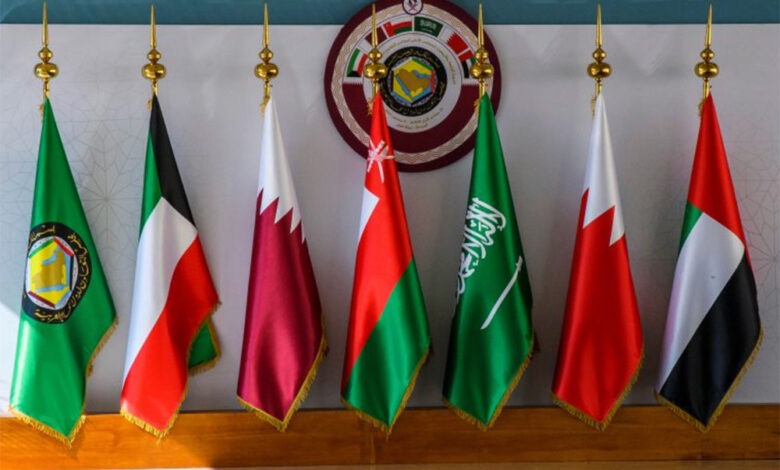

By Tareq Yousef AlShumaimry
Former Secretary-General of the Commercial Arbitration Centre of the Gulf Cooperation Council
Their Majesties and Highnesses, the leaders of the Gulf Cooperation Council (GCC) states, will convene for the 46th session of the Supreme Council Summit in Manama, Bahrain, on Wednesday, December 3, 2025.
Chaired by the Kingdom of Bahrain, the summit will focus on deepening strategic cooperation in key sectors and strengthening the unified position and security of the GCC in light of escalating regional and global geopolitical challenges. Ahead of this crucial summit, I will review the current priorities of the six-member GCC and the initiatives expected to be included on the summit’s agenda for discussion and approval by Their Majesties and Highnesses, the leaders of the GCC states.
I will also review the agreements reached at previous summits, which are expected to be discussed at the 46th session. The leaders will also discuss regional and global issues of importance to the GCC at the upcoming summit, particularly in light of the growing importance and influence of the GCC states in regional and international affairs. The GCC states are currently undergoing a gradual strategic shift in their global alliances through geopolitical and economic transformations.
They are moving from traditional oil- and gas-dependent economies to dynamic global players of strategic importance in the international economic, political, and social spheres. As part of this transformation, the GCC states are working to reduce their reliance on long-term alliances and diversify their sources of income by building global partnerships.
On the economic front, the GCC states are making significant progress in their internal integration. The GCC’s intra-regional trade reached US$1.5 trillion in 2024, ranking it sixth globally in terms of trade volume and representing 3.2% of total global trade.
The GCC countries collectively ranked third globally in terms of trade surplus, reaching US$110 billion, while intra-regional trade reached approximately US$146 billion in 2024, registering a growth rate of 9.8% compared to 2023.
Economic integration is pivotal to achieving the GCC’s objective of consolidating its position as a cohesive entity, enhancing its financial influence, and building economic blocs to mitigate the effects of global instability.
Given the ongoing strategic transformation of this six-nation Gulf bloc, strengthening foreign policy coordination to amplify its collective voice in international forums and global diplomacy is crucial and is expected to be a key item on the agenda at the GCC summit in Manama.
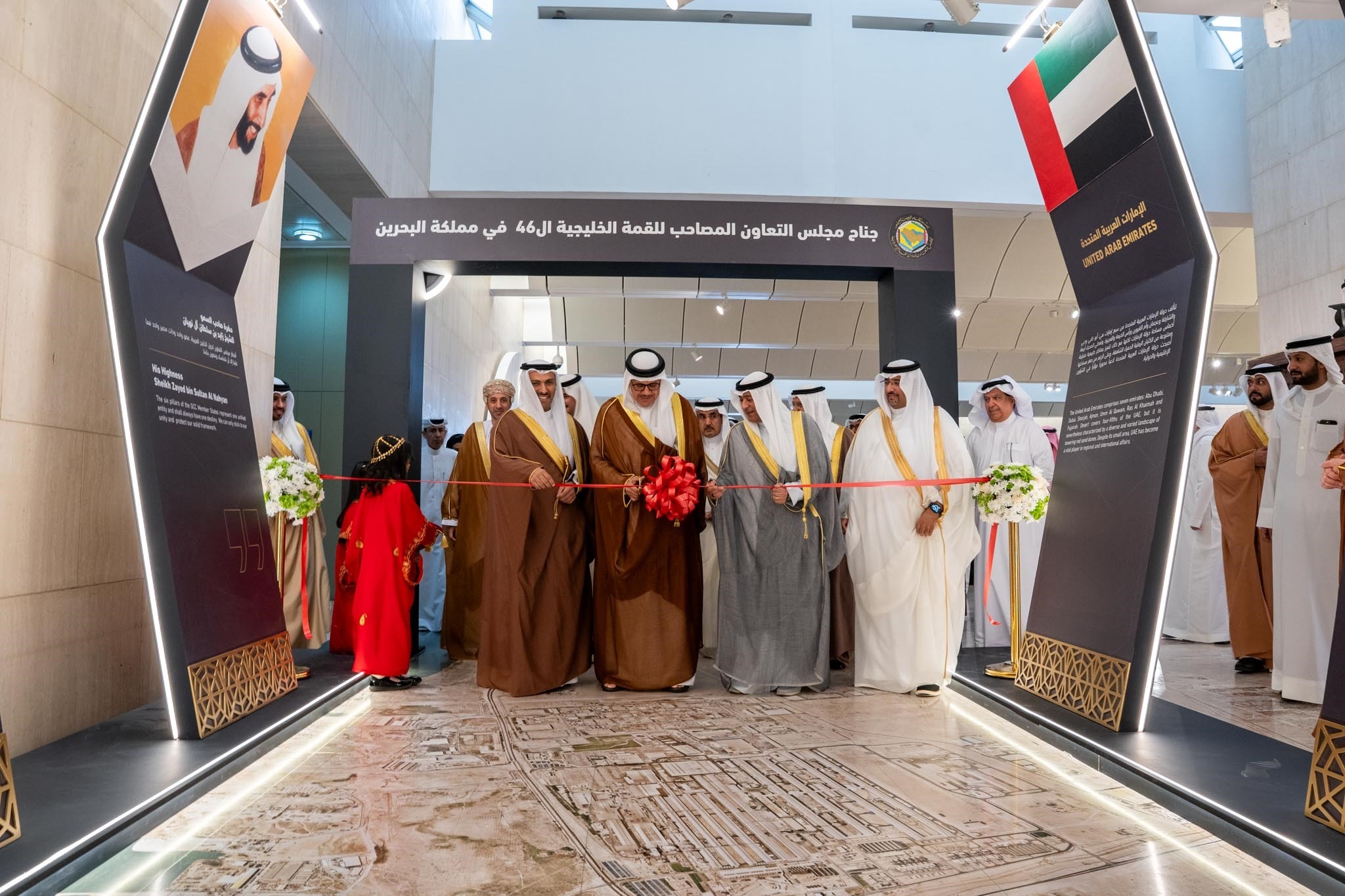
Prioritizing enhanced economic integration will lead to a review of progress made in this direction over the years, including the current status of the Gulf Common Market, the Customs Union, and the long-awaited Gulf Monetary Union. Other initiatives could include cross-border investment flows, private sector participation, and unified regulations covering trade, taxation, and competition, as well as addressing global economic volatility and expanding investment in innovation, artificial intelligence, and advanced industries.
The summit agenda is expected to include items that promote trade and foreign investment, skills development, food security, and resilient supply chains, in addition to strengthening public digital infrastructure, deepening cooperation and progress on joint Gulf projects in electricity networks, railways, and logistics corridors, and aligning the business environment to attract foreign investment to the region.
Other key topics include enhancing financial stability, building economic resilience, forming a united front against global economic fluctuations, macroeconomic stabilization measures, and fiscal sustainability planning.
Establishing a regional investment fund to promote innovation and industrial diversification, as well as enhancing the viability of small and medium-sized enterprises (SMEs) through incentives for startups and procurement opportunities among GCC countries, are also expected to be among the priorities of discussion.
In light of the frequent fluctuations in global oil and gas demand and prices—the primary source of revenue for the GCC countries—a key topic of discussion among the Gulf states will be building economic resilience by diversifying their economies away from over-reliance on oil and gas revenues. Accelerating development in the non-oil sector will be essential to this diversification strategy.
Given the importance of the environment, climate action, and sustainable development for the GCC countries, the summit is expected to assess collaborative projects in the areas of clean energy, water security, climate adaptation, environmental conservation, and the GCC Green Economy Initiative.
Given the reliance of Gulf economies on a large migrant workforce, discussions are also expected to focus on current market dynamics, labor mobility, skills development, strategies to support youth, and future industries.
In addition, the summit discussions are expected to cover regional security and maritime protection through enhancing joint defense capabilities, strengthening the Peninsula Shield Force to counter emerging threats, and bolstering maritime security in coordination with international partners to ensure the safety of energy routes in the Gulf waters.
They will also address current political and humanitarian developments in the region and reaffirm the GCC’s common positions on key regional and international issues.
Furthermore, economic diversification is expected to accelerate the implementation of a comprehensive travel system that facilitates the integration of mobility, travel, and tourism within the GCC countries, including a unified tourist visa, joint tourism initiatives, and cultural cooperation programs. A unified tourism promotion strategy will also be emphasized, aiming to attract investment and innovation in the regional tourism sector, thereby positioning the GCC countries as an attractive destination for local, regional, and international visitors.
In light of the rapid developments in global digital systems, the summit is likely to endorse a unified digital infrastructure, with a focus on accelerating the cross-border e-governance agenda. This integrated approach will align with the broader objectives of the GCC, namely improving public services, enhancing interoperability, and boosting efficiency.
Emphasis will also be placed on common regulations for financial technology (FinTech), data-sharing frameworks, and artificial intelligence (AI) that balance innovation and regulation, ensure data privacy and AI ethics, and promote digital inclusion.
The summit is also expected to review institutional reforms at the GCC level that strengthen the capabilities of ministerial committees, enhance the legal, procedural, and operational mechanisms of the General Secretariat, improve the monitoring and implementation of joint decisions, and assess the status of decisions, statements, and resolutions issued at previous meetings.
Furthermore, the summit is expected to address the challenges and pressures arising from escalating geopolitical tensions, increasing disruptions to global trade, and prevailing regional conflicts that could threaten the region’s security.
These circumstances, which necessitate strengthening joint defense mechanisms, improving maritime surveillance in the Gulf waters, developing early warning and crisis response frameworks, and coordinating foreign policy to amplify the GCC’s voice in international forums and global diplomacy, will be a key focus for the leaders during the summit.
The Supreme Council meeting of the GCC leaders is scheduled to conclude with the issuance of the Bahrain Declaration, which will outline the agreed-upon decisions, cooperative initiatives, and follow-up mechanisms to ensure effective implementation, including the formation of follow-up committees and the establishment of implementation timelines.
The handover ceremony to the next host country will conclude the 46th session of the Supreme Council, which is expected to witness further integration, cooperation, and communication among the GCC states.
Tareq Yousef AlShumaimry, served as Chairman of the Finance Committee and Chairman of the General Budget Committee of the Permanent Court of Arbitration in The Hague (PCA) and an observer in the Administrative Council of the Court and the Consular at International Court of Justice (ICJ) and the Embassy of the State of Kuwait in the Netherlands during this period from 2013 to 2020. Email: tareq@alshumaimry.com