Public Prosecution probes widespread extortion of handling workers in co-ops
- Human trafficking and exploitation uncovered in co-op worker “toll” scheme
- 115 victims, 48 accused: Kuwait intensifies crackdown on illegal fees imposed on workers
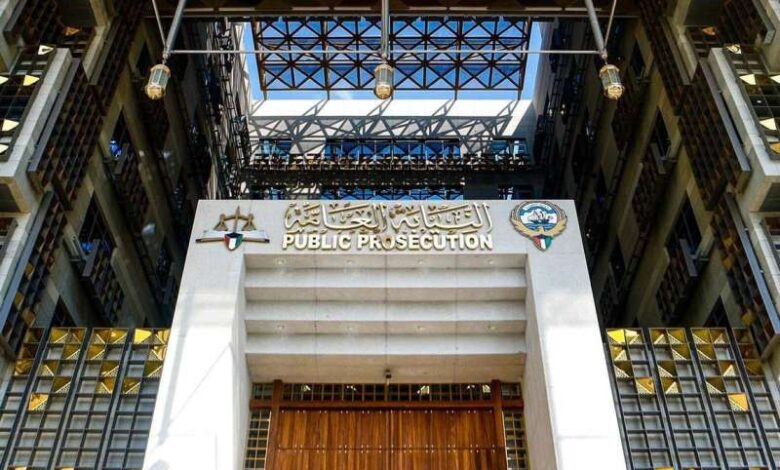
The Public Prosecution recently revealed ongoing investigations into the widespread imposition of illegal “tolls” on handling workers employed in cooperative societies.
Authorities have already heard testimony from 115 victimized workers and interrogated 48 accused across 9 cases.
Senior officials, including from the cooperatives, associations, and legal experts explained that handling workers fall into various roles, with those working behind the cashier being the most exploited because they receive customer tips for pushing shopping carts to cars.
Workers typically earn 5–10 dinars per day in tips, but some companies or supervisors illegally force them to pay daily bribes of 3–7 dinars, depending on the cooperative’s location and customer traffic.
In many cases, supervisors — with or without the company’s knowledge — collect these illicit fees. The issue is not limited to cooperatives but extends to supermarkets and other commercial establishments with direct customer contact.
Officials at the Ministry of Social Affairs stressed that the matter does not fall under their jurisdiction. Acting Assistant Undersecretary Dr. Sayed Issa Mahmoud stated that violations involving fees, wages, or exploitation fall under the Public Authority for Manpower, under Labor Law 6/2010.
Cooperative Control Director Nasser Marzouq added that such cases also involve the Ministry of Interior, noting concerns about whether these workers are legally sponsored and whether the contracting companies even exist.
Heads of several cooperative societies condemned the extortion practices, affirming that they intervene immediately when complaints arise to protect workers and safeguard the reputation of their organizations.
Senior officials from Al-Qairawan, Mishref, and Rawda & Hawally cooperatives described their ongoing efforts, including coordination with ministries, halting company payments if issues arise, and referring unresolved cases to the judiciary.
The Basic Components of Human Rights Association emphasized that collecting money from handling workers is a form of forced labor and human trafficking, prohibited under Kuwaiti law.
Association head Dr. Yousef Al-Saqer explained that no law or contract permits companies to collect money from workers, and any such clause would be null and void. He noted that past complaints mainly involved salary delays, and the association acts by guiding victims, contacting companies, and involving PAM when needed.
Legal expert Lawyer Shahd Buqamashah confirmed that the phenomenon constitutes human trafficking and money laundering, as defined under Law 91/2013 and Law 106/2013, with penalties reaching 15 years to life imprisonment for trafficking and up to 20 years for money laundering.
She praised the Public Prosecution’s firm stance, emphasizing that Kuwait will not tolerate practices that exploit workers or undermine the country’s social and economic security.