New Amiri Decree merges drug laws, introduces stricter penalties and expanded rehabilitation
Kuwait has issued Emiri Decree Law No. 59 of 2025, a comprehensive new legislation that merges and updates all laws related to combating drugs and psychotropic substances.
The unified law, consisting of 84 articles across 13 chapters, will come into force two weeks after its publication in the Official Gazette.
The decree consolidates Law No. 74 of 1983 on combating drugs and Decree-Law No. 48 of 1987 on psychotropic substances into one modern legal framework.
The merger aims to unify concepts, definitions, penalties, and procedures, allowing authorities to address drug-related crimes more effectively and streamline enforcement mechanisms.
Under Article 82, the Minister of Health is mandated to issue the executive regulations required to implement the new law. Article 83 repeals all previous legislation that conflicts with the updated provisions, ensuring a single, coherent legal reference for all drug-related issues.
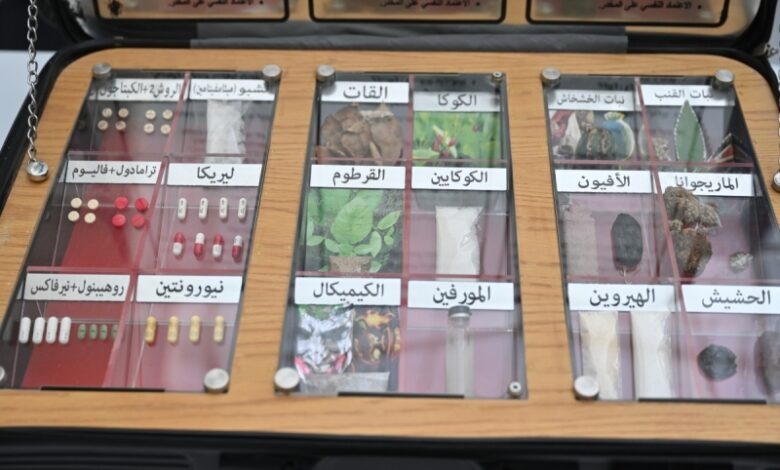
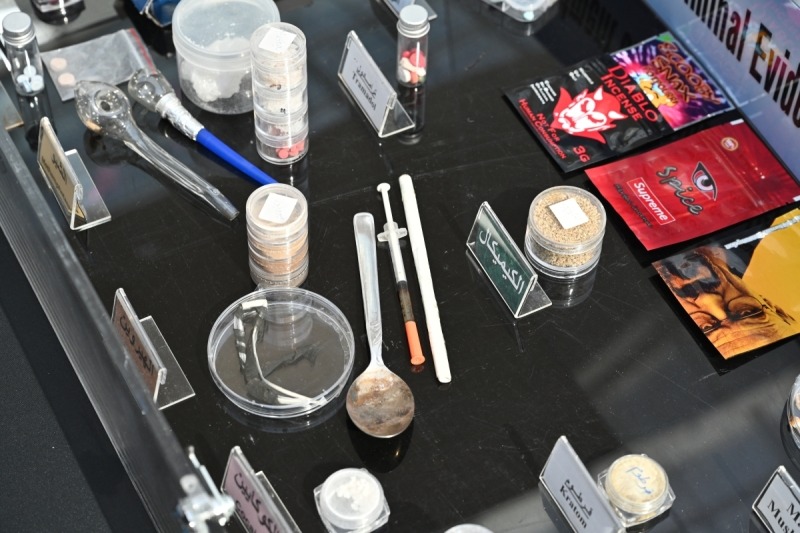
The law provides comprehensive definitions for narcotic drugs, psychotropic substances, chemical precursors, and all forms of handling, including production, cultivation, smuggling, possession, and promotion. It also defines terms related to treatment, rehabilitation centers, medical prescriptions, and official records.

The legislation introduces severe penalties, including death or life imprisonment and fines ranging from KD 100,000 to KD 2 million for crimes such as importing, smuggling, producing, or cultivating drugs with intent to trade.
Lesser but still stringent penalties apply to trafficking, possession for trade, and promotion, with fines up to KD 500,000. Establishing or managing a criminal organization involved in drug crimes is punishable by death.
The decree also outlines judicial procedures, allowing immediate enforcement of imprisonment rulings. It gives courts the authority to grant exemptions or reduce sentences for offenders who voluntarily report crimes before authorities discover them.
The Public Prosecution retains full jurisdiction over investigation and prosecution, while Kuwaiti jurisdiction extends to offenses committed abroad under specific conditions.
Chapters Twelve and Thirteen detail inspection powers, granting judicial officers the right to enter licensed institutions to ensure compliance.
The law also establishes the Supreme Council for Combating Drugs and Psychotropic Substances, tasked with setting a national strategy for prevention, treatment, enforcement, and coordination among state bodies.
A major component of the law focuses on rehabilitation and treatment. The Ministry of Health will establish independent addiction treatment and rehabilitation centers, including separate facilities for individuals under 21. The private sector may also operate licensed medical units under ministry supervision.
The Ministry of Interior will set up specialized reform centers for imprisoned drug users, separate from other prisons, and offering medical, social, and vocational programs.
The law emphasizes confidential treatment, stipulating that addicts who voluntarily seek help before any complaint is filed will not face criminal charges. Treatment centers must keep all patient information strictly confidential and hand over any surrendered substances to authorities.
The legislation sets strict controls on production, import, trade, and possession of narcotic and psychotropic substances. No entity may handle these substances without a license from the Minister of Health.
Pharmaceutical factories may manufacture drugs only with approval, and all dispensing, storage, and destruction procedures will be governed by ministerial decisions.
Finally, the law regulates the cultivation of prohibited plants, allowing licenses only for government entities, research centers, universities, and specialized institutions. These provisions aim to prevent abuse while supporting scientific and medical research under strict state supervision.