


















Kuwait calls for stronger Gulf coordination to safeguard food security
- Participants in the meeting collectively underscored the importance of continuing joint action, implementing approved initiatives, strengthening economic partnerships, and consolidating Gulf integration to safeguard long-term food security in the region.
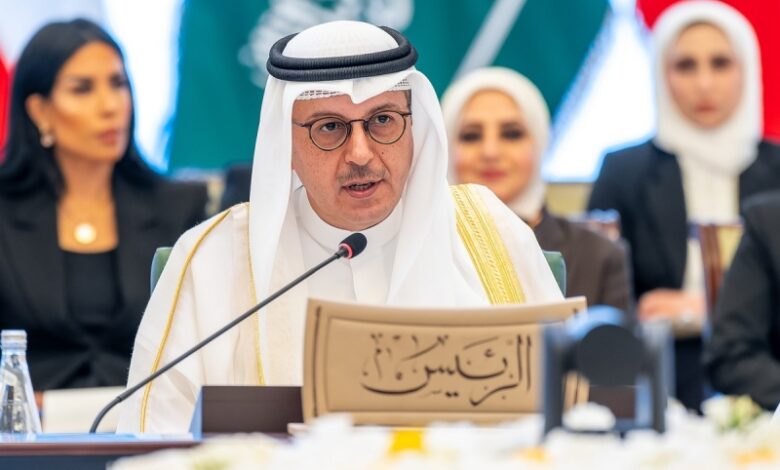
Kuwait’s Minister of Electricity, Water and Renewable Energy, Minister of Finance, and Acting Minister of State for Economic Affairs and Investment, Dr. Subaih Al-Mukhaizeem, said Kuwait places highest priority on food security and the sustainability of agricultural resources, mobilizing all available capabilities and encouraging farmers to increase production.
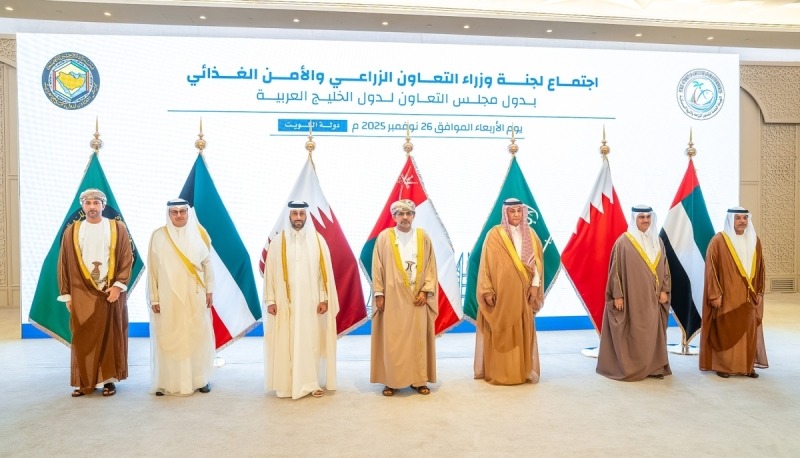
Speaking at the opening of the 37th Meeting of GCC Ministers of Agricultural Cooperation and Food Security, held in Kuwait, Al-Mukhaizeem noted that the gathering comes at a time of delicate regional and international conditions, with accelerating global economic challenges that directly impact food security, reports Al-Rai daily.
These conditions, he said, heighten the responsibility of GCC member states to strengthen coordination, unify positions, and develop resilient agricultural mechanisms capable of facing these pressures.
Al-Mukhaizeem emphasized that the meeting seeks to outline a strategic roadmap for joint agricultural cooperation, reflecting the collective Gulf vision to protect the future of its people by building a stronger integrated food security system.
He highlighted the efforts of the Public Authority for Agricultural Affairs and Fish Resources, which is working to increase production by promoting modern farming techniques, including year-round greenhouse cultivation and soilless farming systems—solutions designed to overcome harsh climate conditions and meet rising population demands.
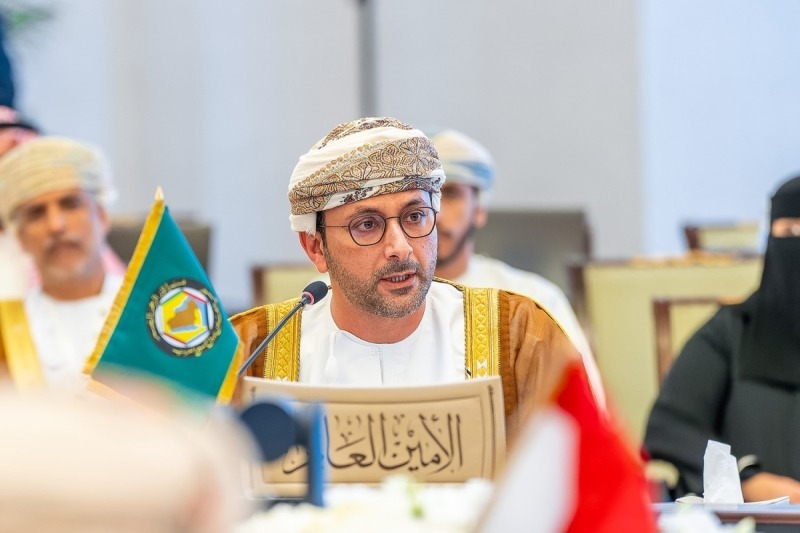
GCC Assistant Secretary-General for Economic and Development Affairs, Khalid Al-Sunaidi, also addressed the meeting, noting that it comes amid global supply chain disruptions, economic volatility, and climate challenges.
Despite these obstacles, he said, the Gulf’s agricultural sector continues to grow, recording a 6.8% growth rate in 2024 and contributing 1.8% to the GCC’s GDP and 2.5% to the non-oil economy.
Al-Sunaidi revealed that intra-GCC trade in agricultural and fish products has reached $5 billion, with an annual growth rate of 7.4%, underscoring the Gulf market’s position as a promising and expanding hub for food trade.
He also stressed ongoing efforts to enhance food security through strategic storage, upgraded logistics infrastructure, and improved distribution systems aimed at boosting emergency readiness.
During the session, ministers reviewed development plans, progress on joint food security projects, and strategies for training national cadres in advanced agricultural technologies.
Discussions also covered key indicators of agricultural performance in GCC states, highlighting both opportunities and challenges that require deeper cooperation and stronger policy integration.
Participants in the meeting collectively underscored the importance of continuing joint action, implementing approved initiatives, strengthening economic partnerships, and consolidating Gulf integration to safeguard long-term food security in the region.