
Dr. Neethu Mariam Chacko
Specialist Psychiatrist
Fawzia Sultan Healthcare Network Clinic (FSHN)
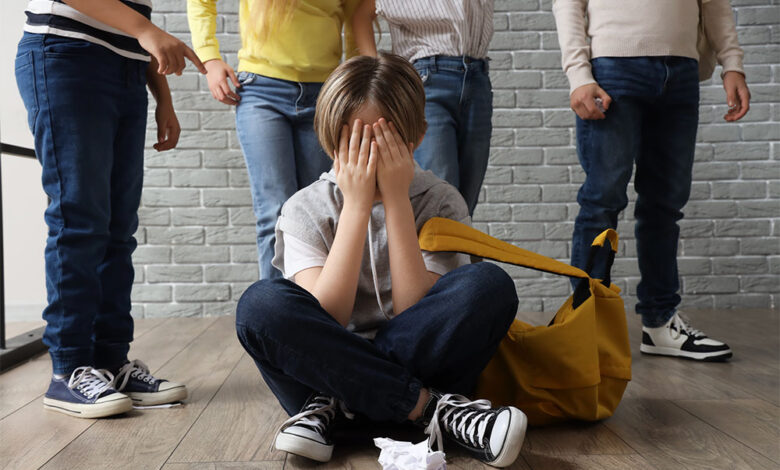
We often think of bullying as something that happens only in school corridors or playgrounds. But bullying is far more than harmless teasing; it is a serious issue that can leave deep emotional and psychological scars. It affects people of all ages. It is a significant psychosocial stressor which not only affects children, but also adults at work or online. It affects a person’s mental health, emotional growth and sense of self.
Understanding what bullying is, recognizing the signs of bullying, knowing how to respond are essential steps in protecting those affected and creating a safe , supportive environment.
Bullying is a repeated aggressive behavior intended to cause harm, involving a clear imbalance of power, over a period of time. The person who bullies may feel physically stronger, older, more popular or have more support from others. They use that power to hurt or frighten someone who cannot easily defend themselves.
Bullying can take many forms:
- Physical bullying: hitting, pushing, damaging properties.
- Verbal bullying: insults, name-calling, mocking, threats.
- Social bullying: spreading rumors about a particular person, excluding someone purposely from a group, humiliation.
- Cyberbullying: using phones or social media to harass or shame someone.
In today’s digital world where our phones and social media have become part of everyday life, some people use them to hurt, threaten or humiliate others.
The traditional bullying walks away from school or workplace, while cyberbullying follows you everywhere. What makes cyberbullying so hard is that it can be public, constant and hard to escape. A single post or photo can spread quickly and stay online for long.
This makes the victim feel exposed and powerless.
It is the sense of a need to control, or to mask insecurity by aggression, or it could be exposure to violence or neglect at home, lack of empathy, or poor emotional regulation that may drive a person to bully another.
On the other hand, victims of bullying often suffer silently, blaming themselves for what has happened. They may avoid talking about it as they fear being labelled as ‘weak’ or worry that others will not take them seriously.
Children or adults who are repeatedly bullied may often show:
- Low self-esteem or self-doubt are common. The person starts to believe that they are less worthy, less capable or less important than others.
- They may experience anxiety or panic attacks. They may feel constantly worried, or tense that is very hard to control.
- Depression: The person may feel persistently sad, hopeless or helpless. The person may start avoiding friends, school, work or activities that they used to enjoy before.
- Constant criticism, harassment make a person feel unsafe in places where they are expected to be. This can lead to fear of school or the workplace.
- Self-harm behaviors or suicidal thoughts.
- Sleep disturbances, appetite changes, frequent physical complaints.
Parents and teachers should be alert for signs that a child might be a victim of bullying:
- Sudden drop in scholastic performance.
- Frequent excuses to avoid school.
- Frequent mood swings, irritability or crying spells.
- Unexplained injuries (as wounds, bruises, bite marks) and damaged properties. Some children try to hide injuries by wearing long sleeves and they may become fearful when an adult asks about the injury.
- Fear of a specific person or place.
- Withdrawal from friends or social activities.
Early identification and intervention are crucial. Staying silent will worsen the situation. If someone is being bullied the first step is to speak to a trusted adult, teacher or a mental health professional. Bullying prevention is not just the victim’s responsibility but the community effort.
Schools must have a safe space for students to report concerns. Teachers and care-givers can model empathy and kindness so that children learn from what they see.
Listen without judging the person. Let them speak about what happened without interrupting them or doubting them. Reassure them that it is not their fault. Many victims continuously blame themselves believing they had done wrong.
Make sure that the issue is reported to authorities or teachers. Safety and distance from the bully are needed in the early steps of healing. In cases of cyberbullying, block the bully online, report the account, save the evidence (screenshots or messages). Monitor social media activity especially in children.
Rebuild confidence in them. Encourage the person to focus on their strengths and positive qualities.
Assertiveness skills are important. Saying a ‘no’ or ‘stop’ firmly, walking away without engaging may be needed sometimes.
If the symptoms such as persistent sadness, anxiety, withdrawal from others, self-harm ideas are noted, seek immediate help of a mental health professional.
Bullying is not just an act of unkindness, but an experience that can deeply wound a person’s mind. The effects of bullying often last far longer, even after the bullying has stopped.
No one should ever suffer bullying in silence. When someone is being bullied, the way we respond with kind words, and listening ears can make a huge difference in their lives. When we stand with those who are hurt, we help them replace their fear with hope and strength.
Whether it is in schools, workplaces or online spaces we have a responsibility to create a safe environment where people feel respected and protected. Every caring action counts, as even one person who shows understanding can change the life of someone else.