Human readiness is Kuwait’s first cyber shield, says former National Cyber Chief
The human element is the first line of defense against cyberattacks — and the weakest, if we don’t invest in proper training and modern curricula -- warns Major General Eng. Mohammed Abdulaziz Bouarki

- As digital threats grow, experts call data protection a national duty—not just a technical task
- Cybersecurity now occupies a central place in Kuwait Vision 2035
- Cyberattacks today are not isolated incidents, they have become part of modern warfare
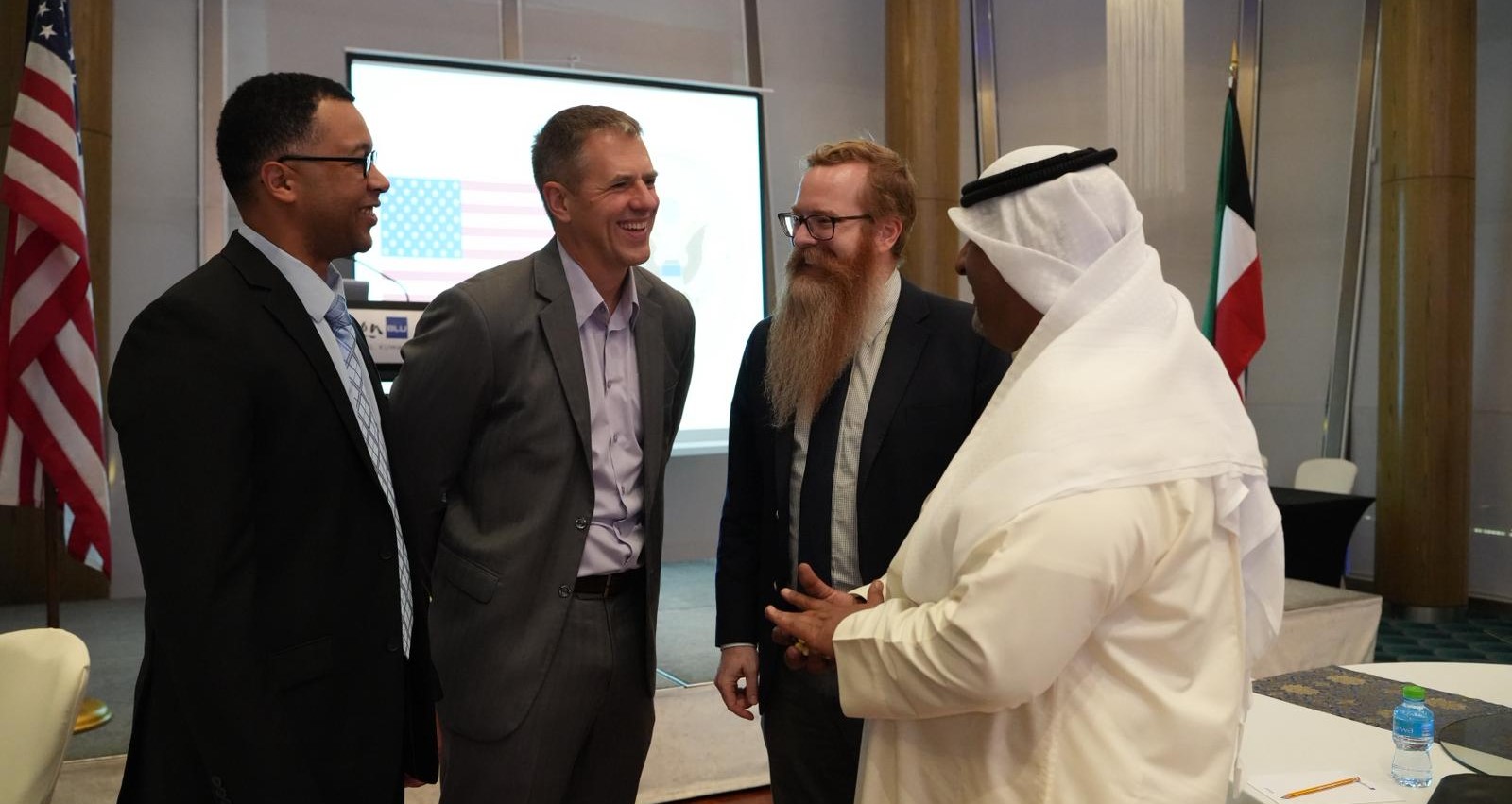
Cybersecurity is no longer a technical luxury — it has become a cornerstone of national security. This was the powerful message delivered by retired Major General Eng. Mohammed Abdulaziz Bouarki, former president of Kuwait’s National Cybersecurity Center, during the “Cybersecurity and Innovation Forum,” hosted by the Public Diplomacy Section of the U.S. Embassy as part of Global Entrepreneurship Week.
Bouarki stressed that a country’s cyber strength cannot be measured solely by its advanced tools or systems. True protection, he said, depends on its ability to cultivate a generation equipped with specialized education, disciplined training, and the agility to adapt to rapid digital transformations.
“The human element is the first line of defense against cyberattacks — and the weakest, if we don’t invest in proper training and modern curricula,” he warned.
Bouarki highlighted how cybersecurity, artificial intelligence, and automation have become the driving forces of digital change worldwide. He emphasized that nations must prioritize the readiness of their workforce if they hope to leverage these technologies for national and institutional objectives.
He praised the Ministry of Education’s initiative to introduce cybersecurity studies from Grade 6 through Grade 12, calling it a vital strategic investment. Today’s youth, he said, are born into the digital age and naturally primed to absorb this knowledge quickly.
Discussing Kuwait’s progress, Bouarki noted that the country is “moving in the right direction” through the establishment of an independent cybersecurity authority and through national awareness campaigns held in October and November.
However, he urged stronger coordination among institutions and enhanced protections as cloud computing projects and major technological partnerships expand.
Speaking to reporters at the event, cybersecurity and IT consultant Eng. Hussein Al-Nakas echoed these concerns, describing data protection as “a national issue — not merely technical.”
As Kuwait accelerates its digital transformation, and as platforms like the “Sahel” government services app become more deeply integrated into daily life, he said the responsibility to safeguard citizen data has never been greater.
Al-Nakas emphasized that cybersecurity now occupies a central place in Kuwait Vision 2035 and the government’s work program. Efforts to train national talent, he noted, are advancing through international collaborations with technology giants such as Google and Microsoft.
Cyberattacks today are not isolated incidents, he added — they have become part of modern warfare. The world witnessed this clearly during the Russia-Ukraine conflict, reinforcing the need for stronger defensive practices and national preparedness.
The forum brought together leading experts, innovators, and specialists, offering discussions on emerging cybersecurity trends, digital innovation, and capacity-building workshops aimed at strengthening skills and exchanging expertise within Kuwait’s growing tech community.