New European entry/exit system to change border crossings
The new EES introduces biometric verification as part of Europe’s modernized border management. Kuwaiti citizens travelling visa-free will be required to provide a facial image and fingerprints, while those who hold a Schengen visa will only have a facial image captured at the border since their fingerprints are already taken during the visa application process. Children under 12 years old are exempt from fingerprinting, although their photos may still be collected.
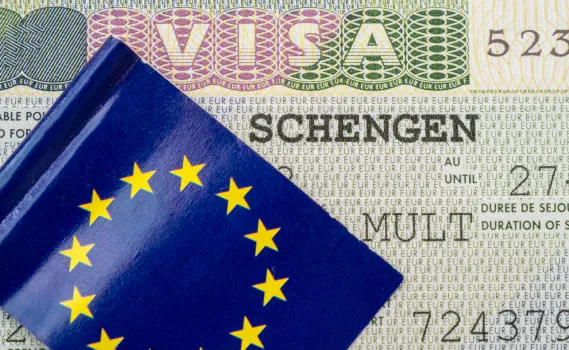
Airlines in the Middle East have issued travel advisories for passengers flying to Europe, as the European Union prepares to launch a new Entry/Exit System (EES) at Schengen borders.
The system, which will come into effect on October 12, 2025, will replace the traditional practice of stamping passports with a digital record of entry and exit of travelers.
The airlines say, the new system will collect personal details and biometric data, including fingerprints and a facial image, from travelers who are not citizens of EU or Schengen countries.
This applies to short stays of up to 90 days within a 180-day period. On their first trip after the rollout, Kuwaiti travelers will have their biometric data and passport information registered by border authorities. For subsequent trips, their entry and exit will be logged automatically, which removes the need to repeat the process.
The airlines have also advised passengers to familiarize themselves with official guidelines and allow extra time at border control points during the first months of the system’s rollout, as procedures may initially take longer than usual. Both carriers emphasized that no advance registration is required and that biometric collection will simply be an additional step alongside normal border checks.
The new EES introduces biometric verification as part of Europe’s modernized border management. Kuwaiti citizens travelling visa-free will be required to provide a facial image and fingerprints, while those who hold a Schengen visa will only have a facial image captured at the border since their fingerprints are already taken during the visa application process. Children under 12 years old are exempt from fingerprinting, although their photos may still be collected.
Kuwaiti passport holders can currently travel to Schengen countries without a visa for short stays, but the EES will change the way their journeys are recorded. Data collected will include passport details, entry and exit dates and locations, and biometric information. Records will remain valid for three years from the last crossing, with each new entry resetting the period. The European Union has underlined that this system is designed to modernize border checks, reduce waiting times, detect overstays, and strengthen border security.
Privacy and data protection have also been highlighted. Information collected will be stored under strict EU data protection laws and access will be limited to border, immigration, and visa authorities, as well as law enforcement agencies such as Europol and transport carriers for visa compliance checks.
Although some border posts may continue stamping passports during the initial phase of the rollout, the EU confirmed that by April 2026, the digital system will fully replace manual stamps. Kuwait Airways and Jazeera Airways both stressed that travelers should allow extra time for border procedures, particularly during the early months, to ensure smoother journeys.
The introduction of the EES marks a significant shift for Kuwaitis travelling to Europe, offering a faster and more secure process in the long run, but requiring patience during the transition period.
Follow The Times Kuwait on
X, Instagram and Facebook for the latest news updates