‘Qababi’ season kicks off with high demand in Kuwait markets
Today, while modern breeding and hunting tools have advanced, the qababi’s cultural and nutritional importance endures, bridging Kuwait’s past with its present, reviving traditional hunting memories
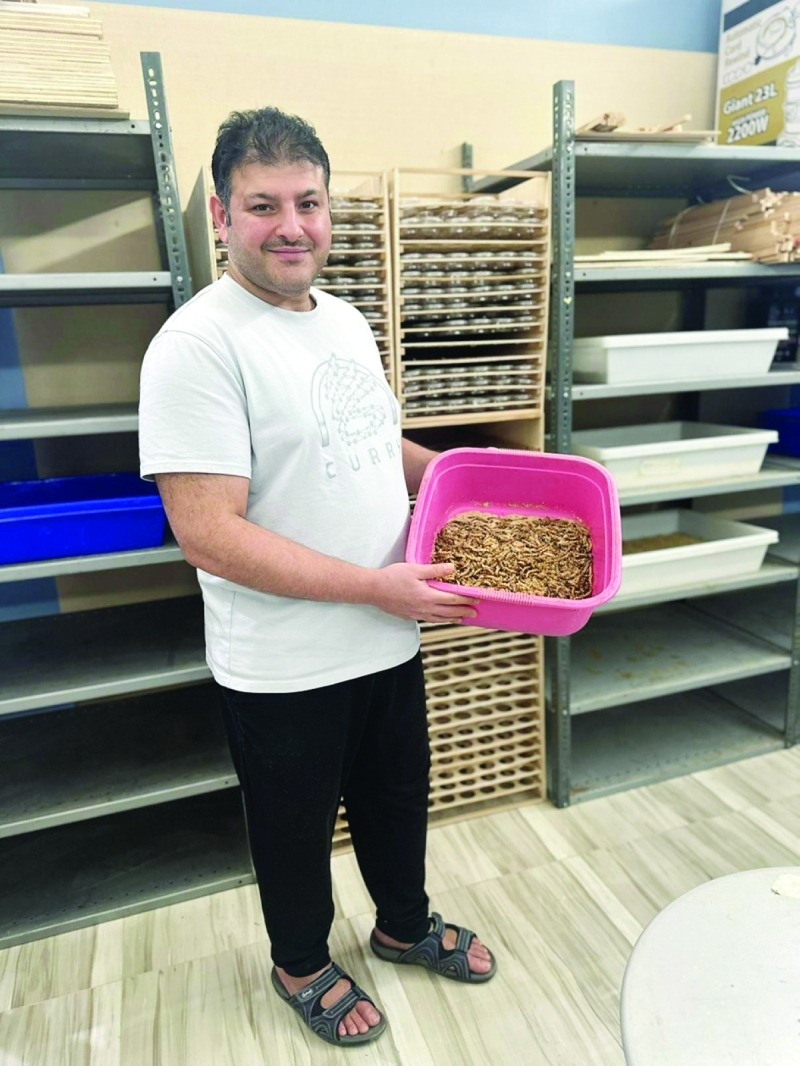
The long-awaited “Qababi” season has officially begun, sparking strong demand across Kuwaiti markets and rekindling nostalgic memories of traditional hunting practices once rooted in local culture.
In the past, Kuwaitis relied on simple tools such as ropes and traps to catch birds, with the “qababi” serving as a vital bait in the process.
Despite modern changes in hunting and breeding methods, the “qababi” (atal) has maintained its significance, both as a staple feed for birds and as a central element in hunting hobbies practiced by enthusiasts today.
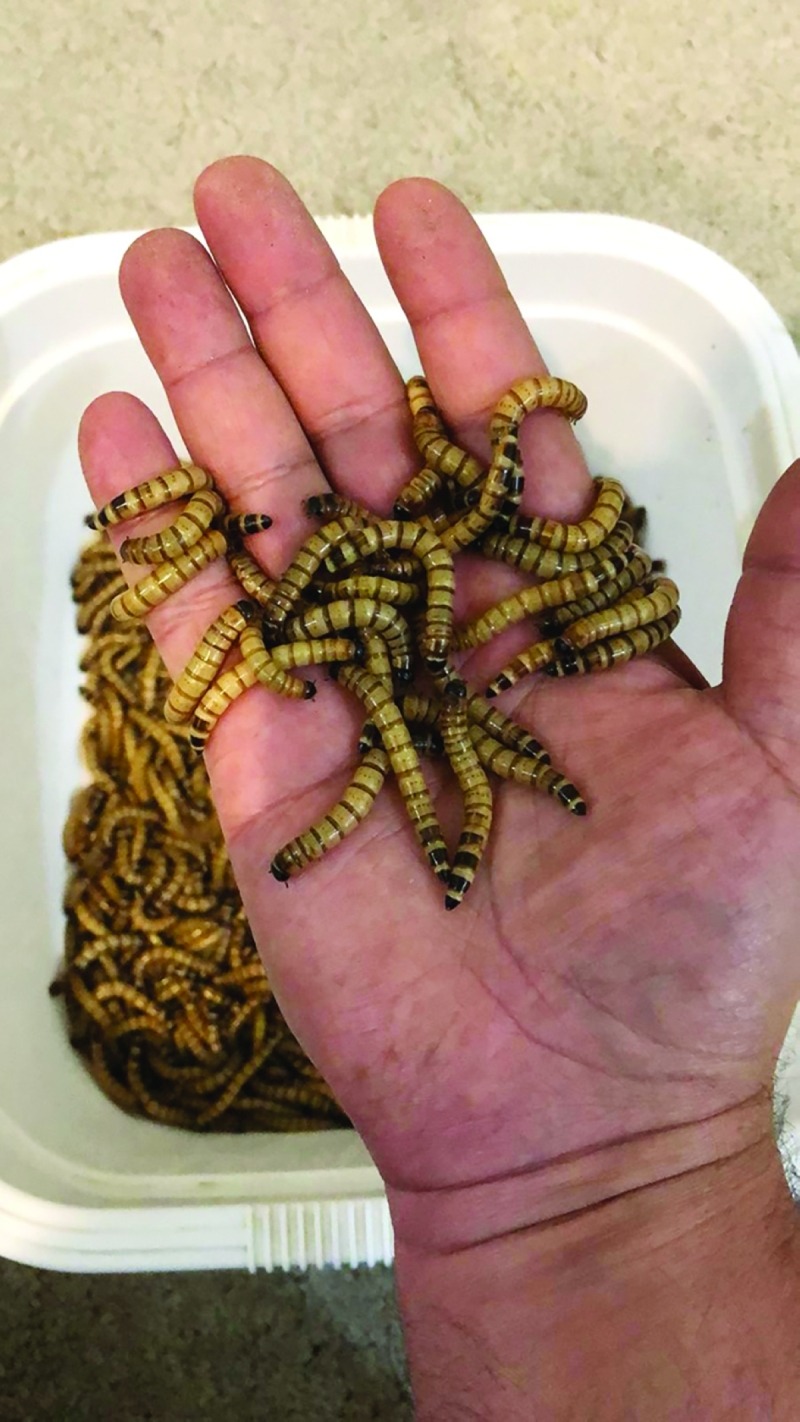
Breeder Abdullah Bou Abbas explained that “qababi” refers to a category of black beetle larvae, divided into three main types:
Safeefah (Mealworm): The smallest and most commonly used, particularly for feeding young birds.
Giant Worm: Larger in size but less popular compared to other types.
Superworm (Atal): The most sought-after, widely used due to its versatility and nutritional value.
Bou Abbas noted that each type has distinct uses — small larvae for chicks, while the atal is also fed to reptiles, turkeys, peacocks, bustards, lizards, and even small snakes. It also continues to play a role in traditional rope-and-trap hunting, known locally as “habal.”
According to Bou Abbas, the qababi is rich in protein and beneficial enzymes that boost immunity and accelerate growth in birds. He emphasized that selling them live is far more beneficial, as dead larvae lose much of their nutritional content.
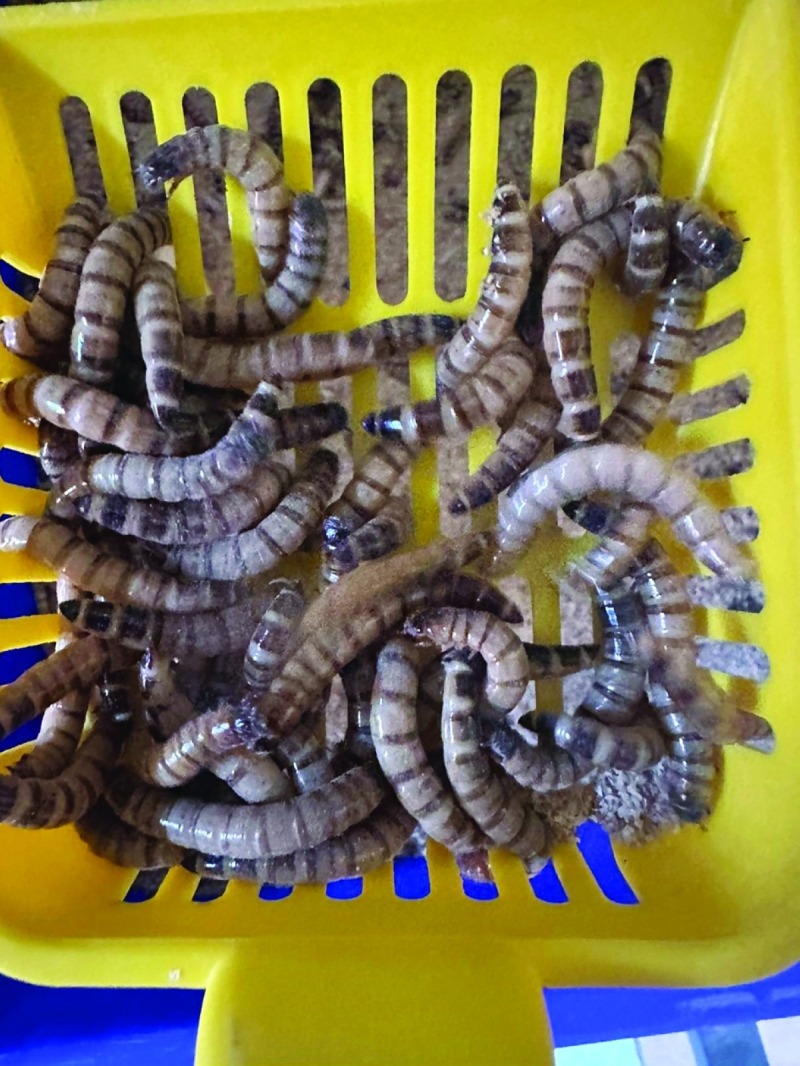
Bou Abbas explained that the “qababi” develops from the beetle’s egg, taking around two weeks to hatch. It then grows into a “tal,” passing through the cocoon stage over three to eight months before maturing into a beetle. The “safifa,” however, follows a faster and shorter life cycle.
Most of Kuwait’s supplies are imported from Thailand, Bangladesh, the Philippines, and China, where they are farmed in plastic containers. Locally, notable breeding farms include the Al-Abduljader Farm in Al-Wafra and breeder Walid Al-Raghib, both specializing in raising these insects.
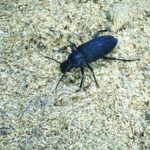
Market prices vary by type and size — Safeefah (small worms) are sold by weight, with 100 grams priced at around 3 dinars; Atal (superworm) sold by weight or piece, priced at about 30 fils per gram, with an average length of 6 millimeters.
A Blend of Tradition and Modernity
For many Kuwaitis, the “qababi” season is more than just a trade — it is a living reminder of cultural traditions, where simplicity defined hunting and survival.
Today, while modern breeding and hunting tools have advanced, the qababi’s cultural and nutritional importance endures, bridging Kuwait’s past with its present.
Follow The Times Kuwait on X, Instagram and Facebook for the latest news updates