IACA praises Kuwait’s Nazaha for role, adherence to global standards
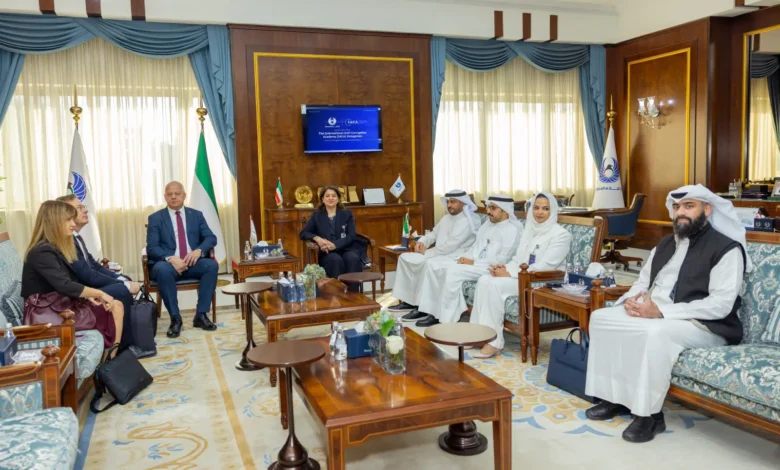
The Dean of the International Anti-Corruption Academy (IACA), Drago Kos, has praised the role of Kuwait’s Anti-Corruption Authority (Nazaha) and its firm commitment to international standards in combating corruption.
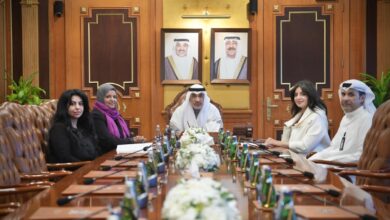
In a statement carried by KUNA, Nazaha said Kos made the remarks following official discussions with its Chairperson, Dr. Rana Al-Fares. The talks focused on using international expertise, technical assistance and academic support to review and update the law establishing the Authority, with the aim of strengthening its powers, responsibilities and operational efficiency in line with global best practices.
Kos noted that Kuwait has been a valued member of the Academy for more than a decade, praising Nazaha’s active participation in their partnership, its adherence to international standards and its openness to institutional cooperation.
During his visit, Kos reviewed proposed amendments to the law governing Nazaha as part of efforts to improve its legal framework. Once approved and implemented, the amendments are expected to strengthen the effectiveness of anti-corruption efforts and enhance the Authority’s position among leading anti-corruption agencies worldwide.
Al-Fares stressed Nazaha’s commitment to benefiting from the legislative experience of countries that have made significant progress in fighting corruption. She said international practices would be adapted to suit the Kuwaiti Constitution and the country’s national legal system while ensuring consistency with Kuwait’s obligations under the United Nations Convention against Corruption.
She added that the visit reflected more than a decade of cooperation between Kuwait and IACA. Kuwait joined the agreement establishing the Academy under Decree No. 325 of 2014 and has remained actively involved in the proceedings of its Assembly of Parties.
Kos has held several prominent international positions in anti-corruption and good governance, including chairing the Council of Europe’s Group of States against Corruption (GRECO), the OECD Working Group on Bribery in International Business Transactions and Slovenia’s Commission for the Prevention of Corruption.
Source: KUNA