UK working for peaceful resolution to Iran crisis, pursues diplomatic solution, says Ambassador
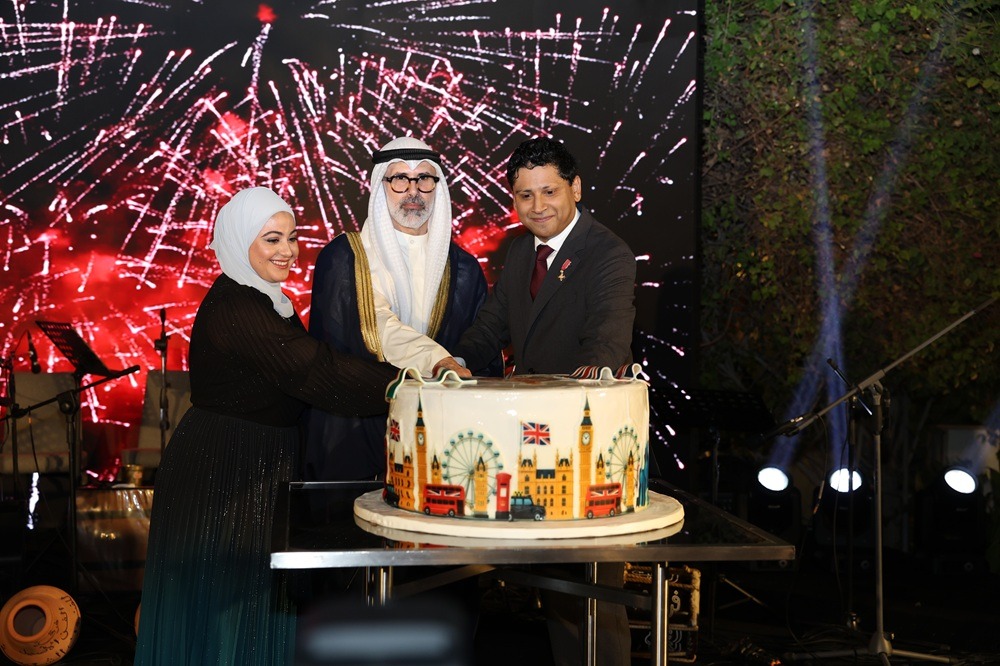
- British Embassy marks King’s birthday in Kuwait; 90 years of history and Kuwait-Britain friendship; Iran crisis dominates celebration
- Ambassador Rashid says diplomacy remains the best way forward
The United Kingdom is making every possible effort to secure a peaceful resolution to the ongoing Iran crisis through negotiations involving the parties concerned, British Ambassador to Kuwait H.E. Qudsi Rashid said, expressing hope that diplomatic efforts will produce positive results and help restore regional security and stability.
In his address at the reception, the ambassador traced key milestones in the history of Kuwait-Britain relations, describing the embassy building, constructed in 1935, as an important symbol of a partnership that has undergone several transformations while remaining firmly rooted in trust, friendship and loyalty.
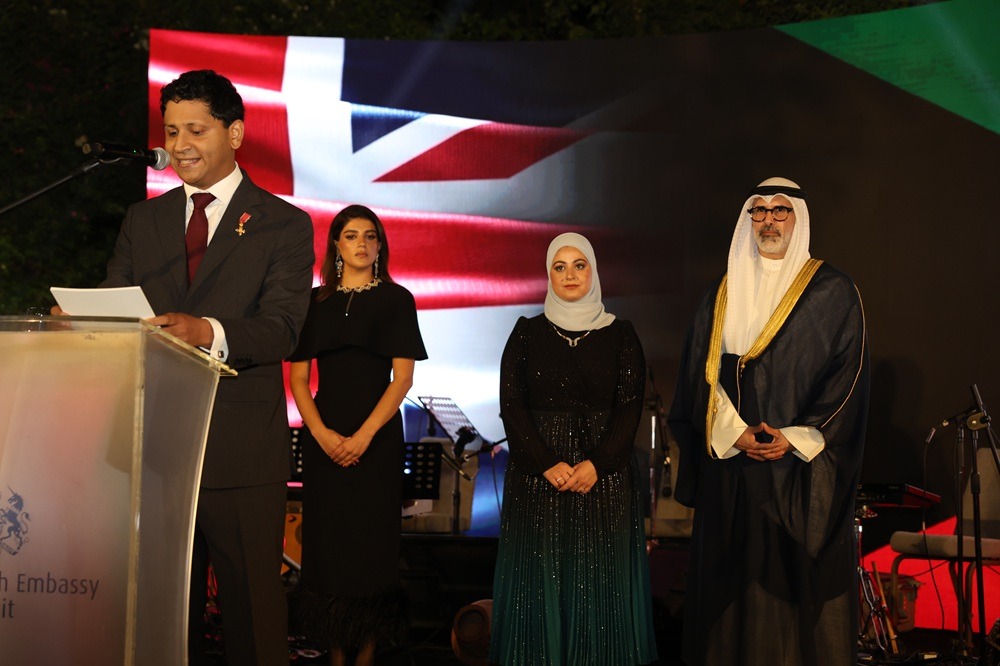
He recalled that the idea of establishing a permanent British premises in Kuwait took shape when then British Political Agent Harold Dickson and Kuwait’s Amir Sheikh Ahmad Al-Jaber Al-Sabah recognised the importance of creating a building that reflected the two countries’ aspirations for the future. Their relationship, he noted, went beyond official responsibilities and was built on personal friendship, mutual trust and frequent meetings.
Ambassador Rashid stressed that diplomacy ultimately begins with human relationships. The embassy building and its garden were originally conceived as spaces where people could meet and connect, a role they continue to serve today.
Kuwait’s independence in 1961 marked another important turning point, he said, with John Richmond becoming Britain’s first ambassador to Kuwait after previously serving as the country’s last British Political Agent. The appointment reflected the transition of bilateral relations into a new era of formal diplomatic engagement.
Recalling Iraq’s invasion of Kuwait in 1990, Rashid highlighted the commitment of then British Ambassador Michael Weston, who remained at the embassy throughout the months of occupation despite disruptions to electricity and water supplies and shortages of essential provisions.
He described Weston’s decision to remain at the premises as a powerful demonstration of Britain’s solidarity with Kuwait at a time when the country’s sovereignty was under threat.
The continued flying of the British flag over the embassy during the occupation, he said, carried profound significance as a symbol of loyalty and steadfastness in times of crisis. The episode remains an important part of the shared history between the two countries.
Rashid added that developments across the region in recent months had once again demonstrated that stability should never be taken for granted. Against this backdrop, the embassy had continued to serve as a venue for meetings and discussions, hosting British officials and members of the British armed forces who worked alongside their Kuwaiti counterparts in support of security.
Speaking to reporters on the sidelines of the British Embassy’s celebration of the birthday of King Charles III, Ambassador Rashid said it was difficult to predict how the situation would develop or when the crisis might end. “We are trying to make every possible effort to reach a peaceful solution through negotiations between all parties. We have to wait and hope that things move in a positive direction,” he said.
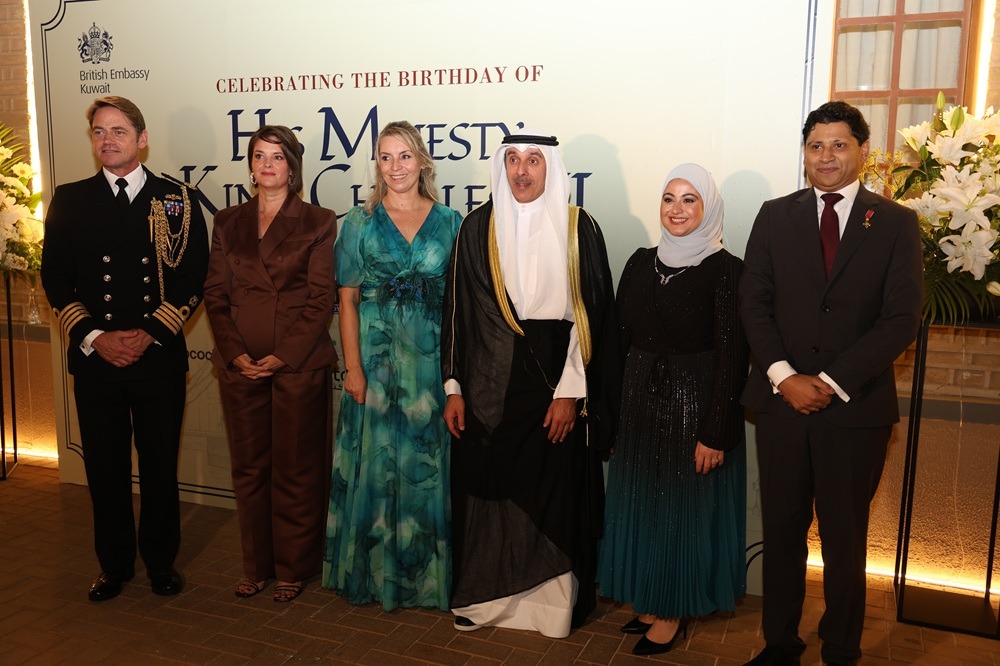
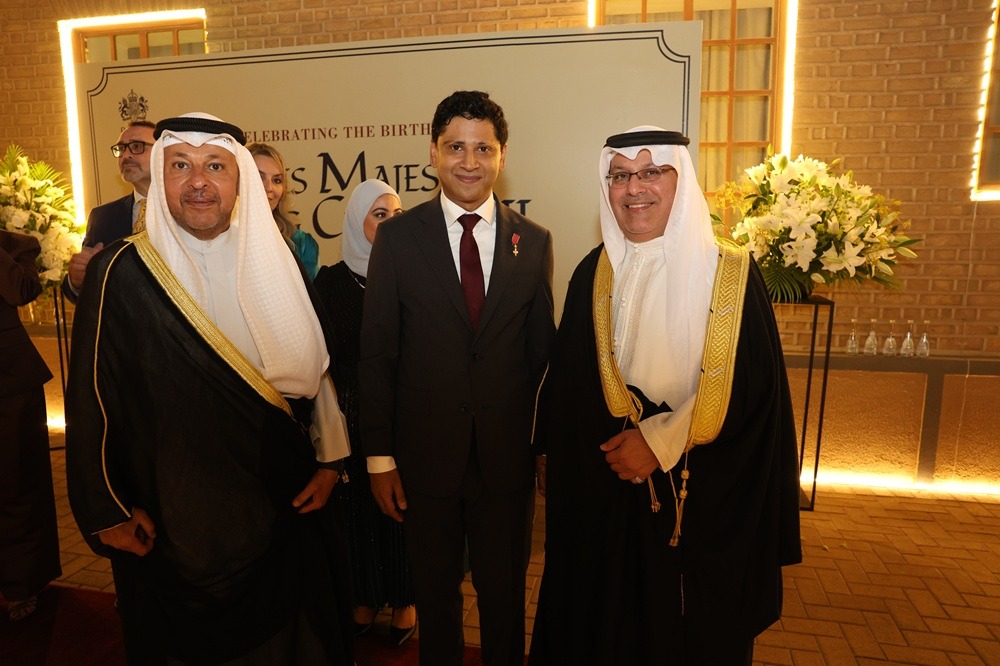
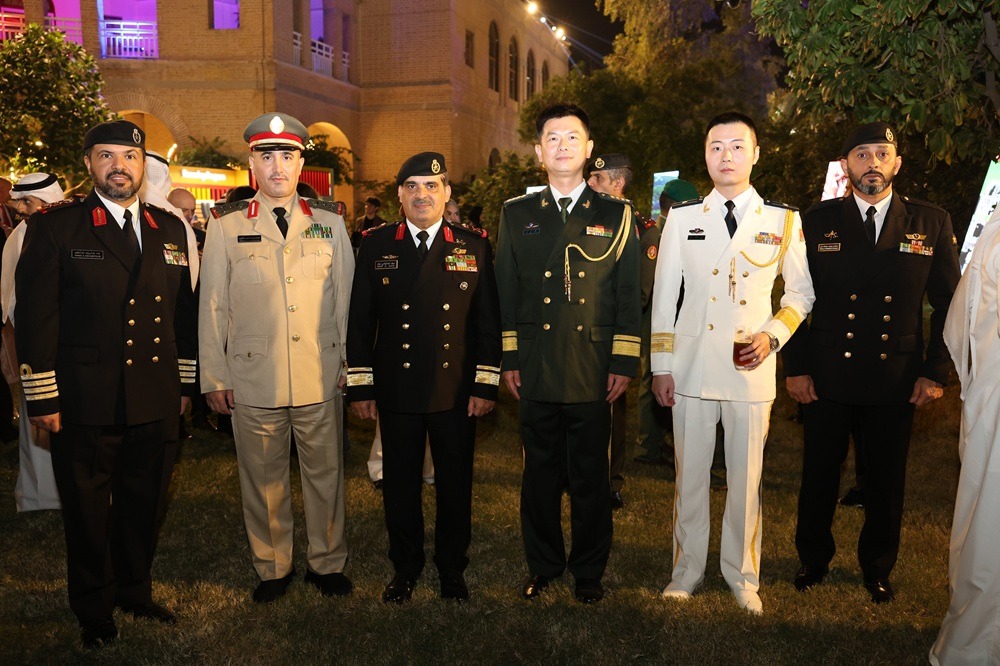
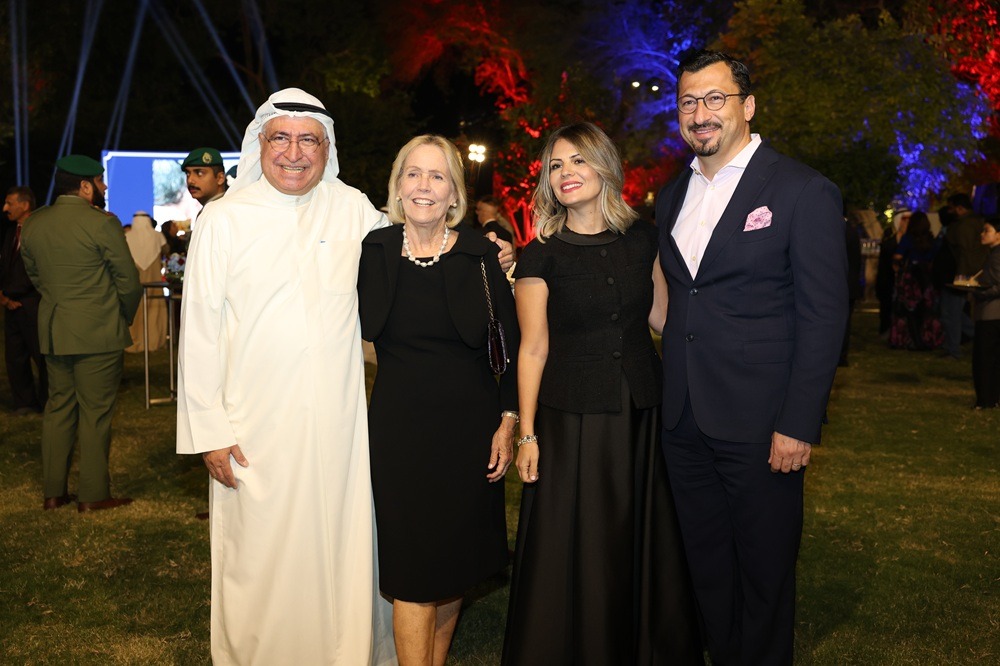
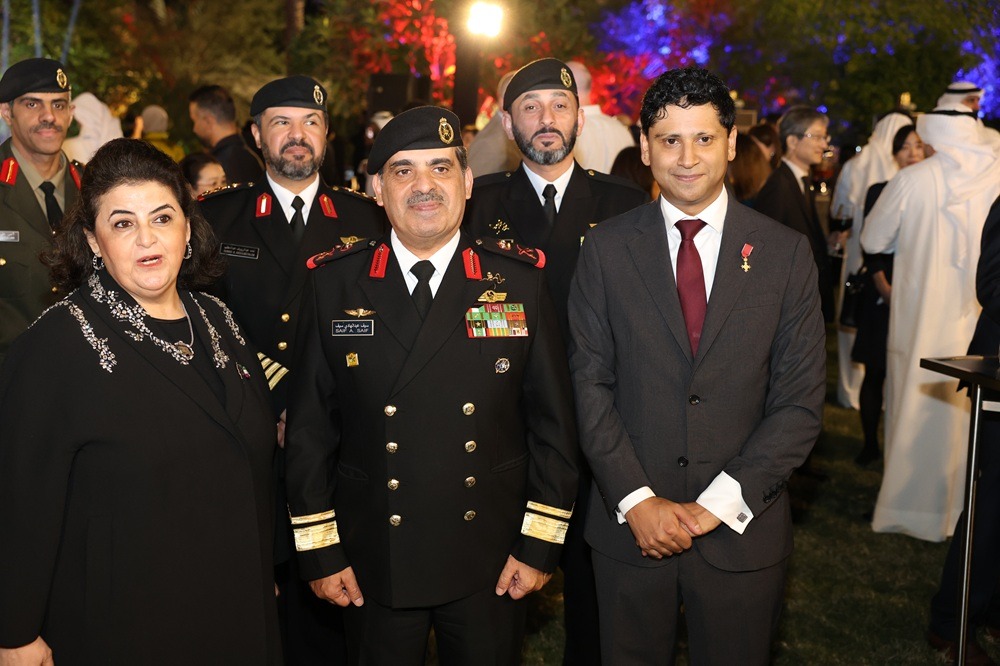
The celebration was attended by Foreign Minister Sheikh Jarrah Jaber Al-Ahmad Al-Sabah, along with senior officials, dignitaries, ambassadors and heads of diplomatic missions accredited to Kuwait. Representatives of the business and cultural communities, friends of the United Kingdom and Kuwaiti investors with interests in Britain were also present.
The British envoy said this year’s celebration carried particular significance as it coincided with the 90th anniversary of the construction of the British Embassy building in Kuwait. The occasion, he explained, provided an opportunity to reflect on the history of the premises and their place in the development of relations between the two countries.
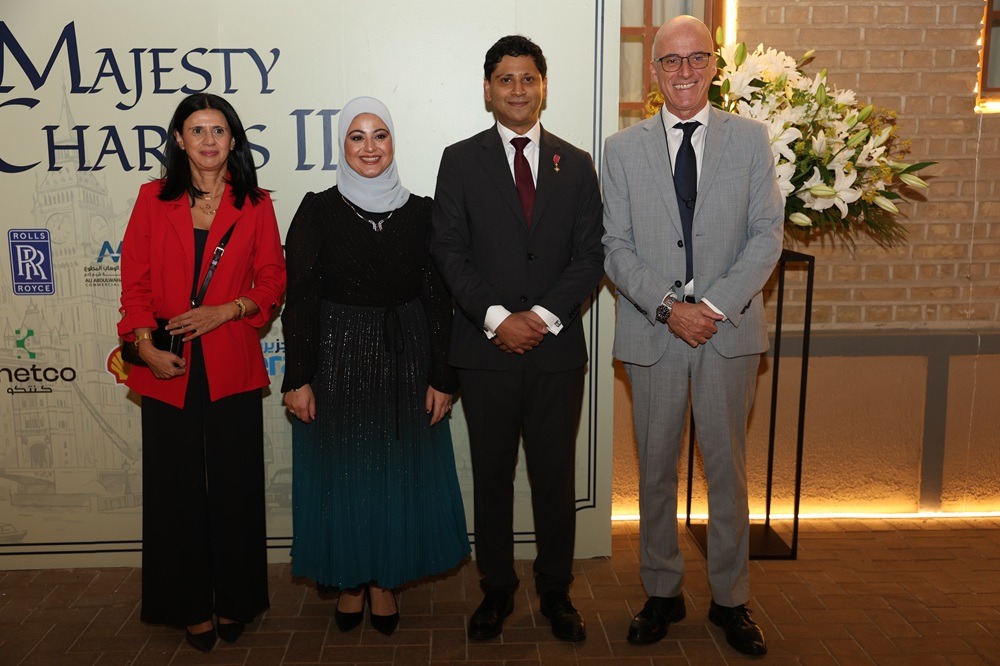
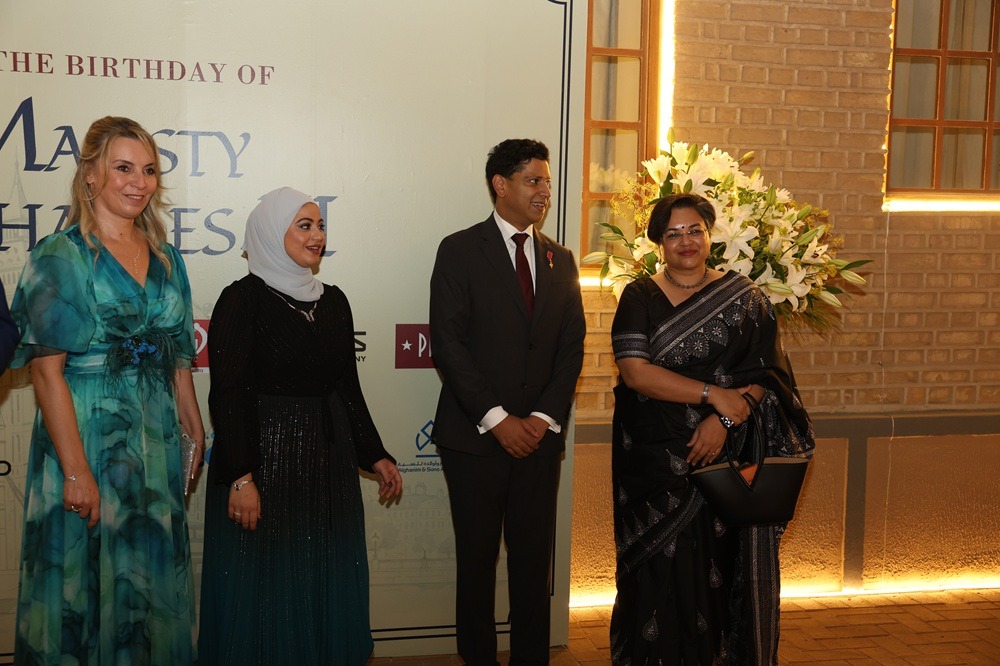
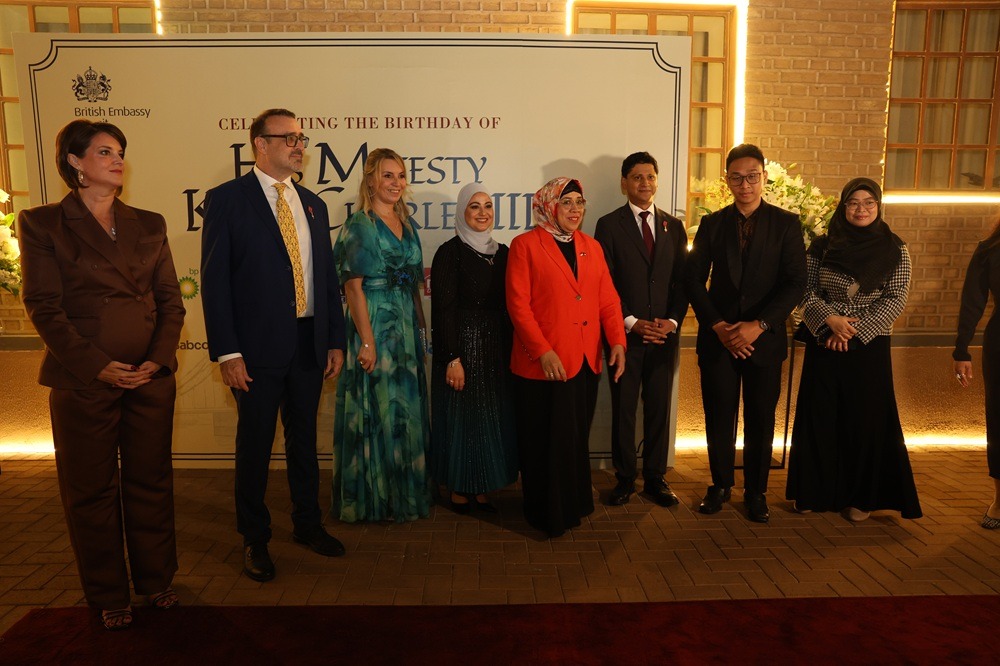
He noted that the embassy traditionally uses the annual celebration to highlight a different aspect of its history and work. This year, the focus was on the historic building itself, which has witnessed the evolution of Kuwait-Britain relations over several decades.
Reflecting on the difference between this year’s celebration and last year’s, Rashid acknowledged that regional developments, particularly the Iran crisis, had created a very different atmosphere. However, he said one thing had remained unchanged: the warmth and generosity of the Kuwaiti people.
“Despite the changing regional circumstances, the welcome and hospitality of the Kuwaiti people have never changed. We experience this warmth every day and every week,” he said, expressing appreciation for the friendship and kindness he had received since taking up his diplomatic assignment in Kuwait.